The Best Vehicles for Car Camping
As an Amazon Associate I earn from qualifying purchases.
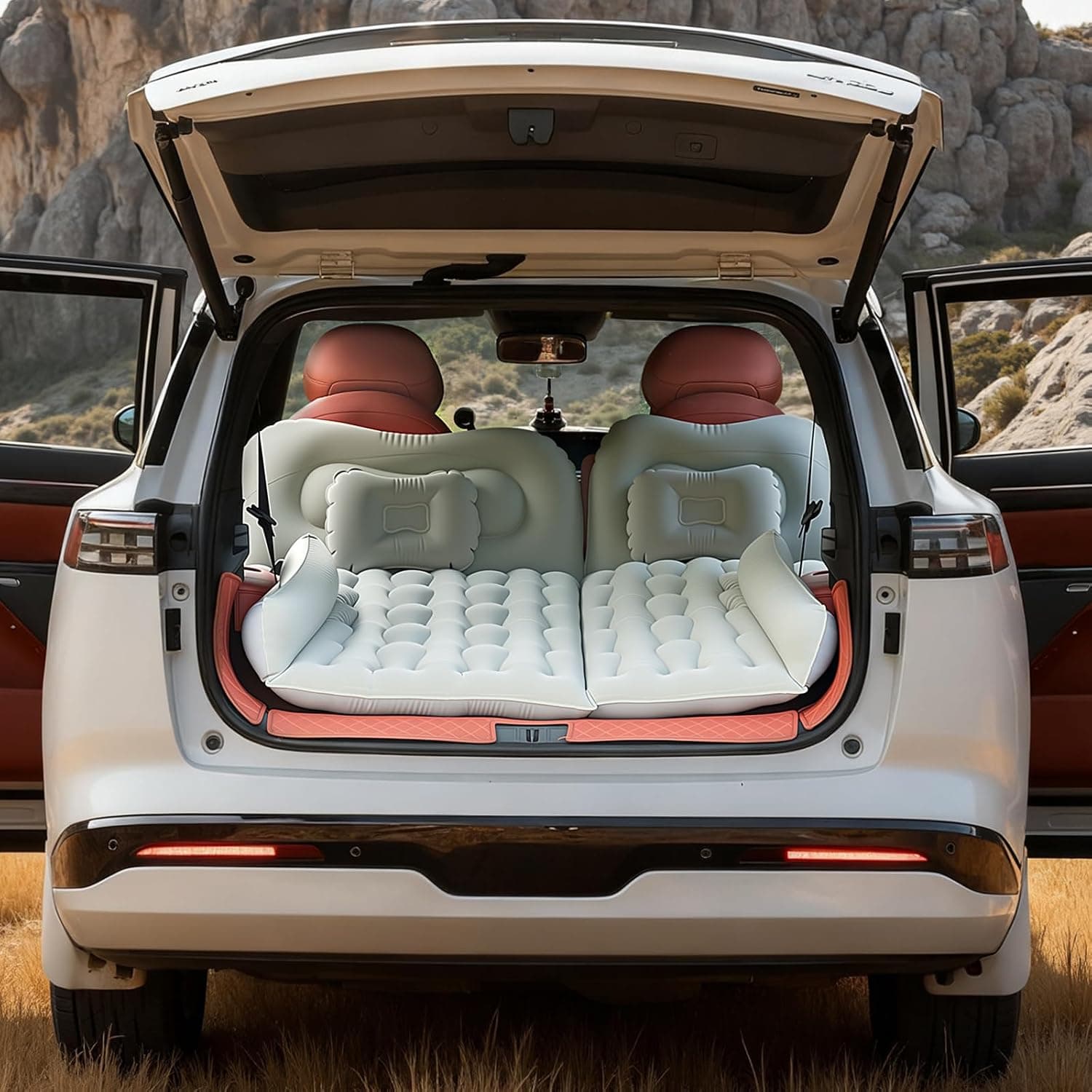
The best car camping vehicle is often the one you already own. Space, a flat load floor, and easy access matter far more than badge or price. This guide covers the traits that make a vehicle comfortable to sleep and cook in, then shows how to adapt a sedan, hatchback, or SUV so it works for weekend trips without an expensive build or permanent changes.
What Makes a Vehicle Camp-Friendly
Interior length is the first thing to check, since you want to lie flat without curling up. Measure from the folded rear seats to the tailgate, and compare it to your height plus a little room for bedding. Vehicles with seats that fold nearly level give you the flattest platform, which makes a real difference to sleep quality.
Ground clearance and drivetrain matter if you plan to reach rougher sites. All-wheel drive helps on loose gravel and wet grass, though most established campgrounds are reachable in any car. Fuel range, quiet cabins, and good door seals round out the picture, because they keep you comfortable long after you have parked for the night.
SUVs and Wagons Lead the Pack
Midsize and large SUVs are popular for good reason, since the flat cargo area doubles as a bedroom with almost no effort. Fold the seats, roll out a pad, and you have a weatherproof shelter in minutes. Wagons offer similar length in a lower, more efficient package, which appeals to people who camp often and drive long distances.
The extra height of an SUV also creates room to sit up and change clothes, a small luxury that tent campers rarely get. Pair the vehicle with a tailgate awning for shade and rain cover, and the open hatch becomes a sheltered porch. That combination of sleeping space and covered outdoor room is hard to beat.
Making a Sedan or Hatchback Work
Smaller cars can absolutely handle car camping with a little creativity. If the seats do not fold flat, build a simple platform from plywood and foam to bridge the gaps, then store gear underneath. A hatchback with reclining front seats can also serve for shorter people, so do not rule out your daily driver too quickly.
When interior space runs short, move storage outward instead of cramming everything inside. A cargo box on the roof frees up the cabin for sleeping, and it keeps muddy or bulky items out of your living area. With gear stored overhead, even a compact car offers a surprisingly comfortable and organized basecamp.
Build a Comfortable Sleeping Platform
A flat, insulated surface is the single biggest upgrade to any camp vehicle. Even in a roomy SUV, the folded seats leave gaps and ridges that ruin sleep, so a quality pad smooths everything out. Choose a pad thick enough to hide the bumps, and add insulation underneath if you camp in cooler seasons.
Length and packability guide your choice, since a pad that fits your vehicle floor and rolls up small is ideal. Some campers layer a thin foam pad under a thicker air pad for extra cushioning and warmth. Test your setup at home first, because a dry run in the driveway reveals problems before you are miles from the nearest fix.
Organize So the Space Stays Livable
The difference between a cramped car and a cozy one is usually organization, not size. When gear has a home, your sleeping and cooking areas stay clear, and you can find things in the dark. Trunk organizers keep loose items from sliding around while you drive, and they turn a chaotic cargo area into tidy zones.
Group your gear by function, so kitchen items live in one bin, sleeping gear in another, and tools in a third. Stackable containers use vertical space well, and clear or labeled bins save you from digging. A well-sorted vehicle feels roomier than a bigger one packed at random, which is why organization pays off every single trip.