How to Build a Car Camping Cooking Setup
As an Amazon Associate I earn from qualifying purchases.
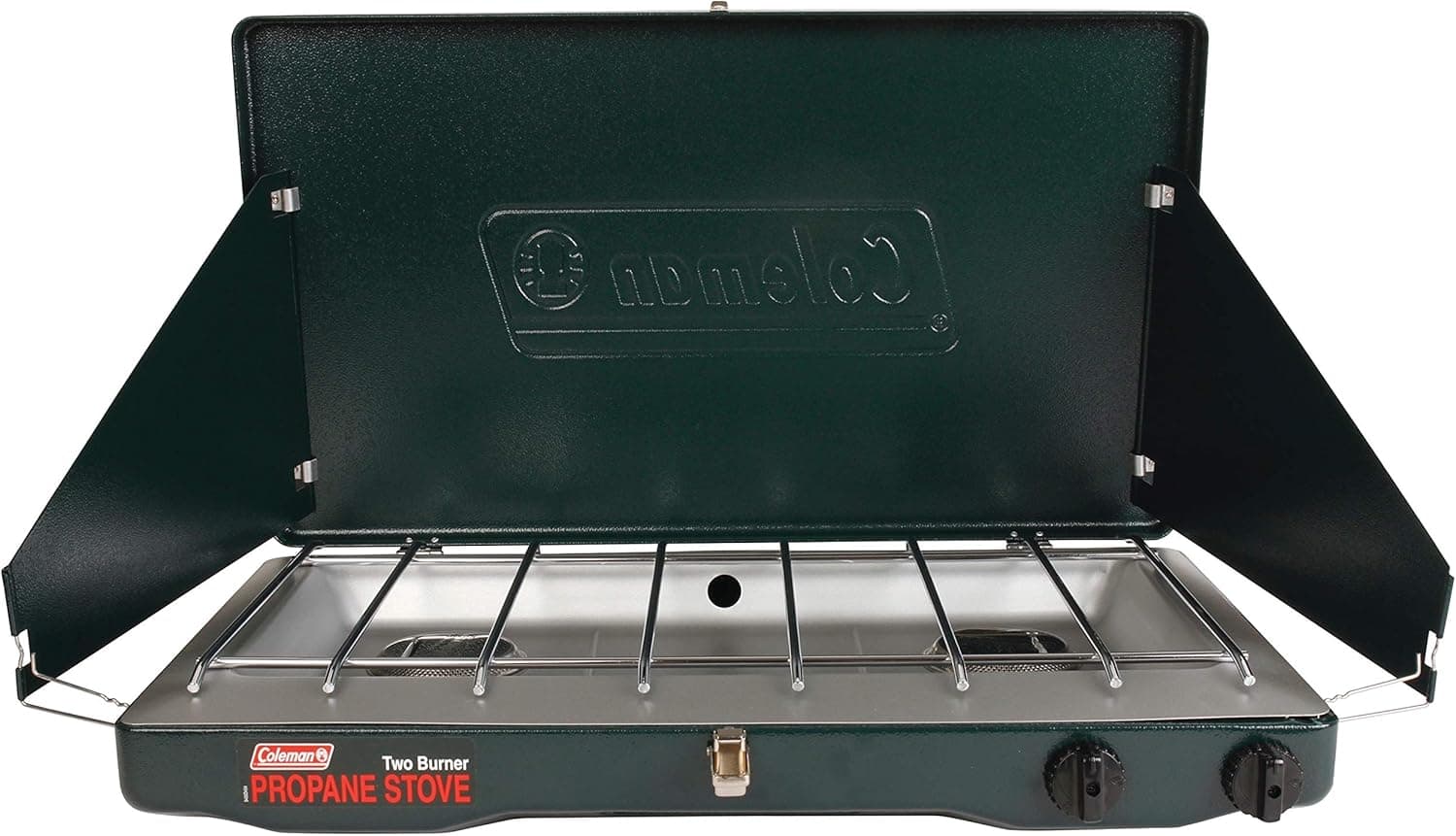
A good camp kitchen turns car camping from stressful to genuinely fun. You do not need a trailer full of gear, since a compact stove, a nesting cookware set, and a bit of prep space cover most trips. This guide walks through the core pieces of a car camping cooking setup, how they fit together in your trunk, and how to keep cleanup fast so you spend more time relaxing.
Start With a Reliable Stove
Your stove is the heart of the setup, so pick one that matches how you cook. A two-burner model lets you boil water and simmer a sauce at the same time, which matters when you are feeding a group. Single-burner canister stoves stay lighter and pack smaller, and they work well for solo trips or quick coffee mornings.
Wind is the usual enemy of camp cooking, since a breeze steals heat and wastes fuel. Look for a stove with a decent windscreen, and set it on a stable surface away from your tent. Carry a spare fuel canister too, because running out mid-meal is a frustration you can easily avoid with a little planning.
Choose Cookware That Nests
Cookware for car camping should stack down into one tidy bundle. A nesting set with a pot, a pan, and a lid saves trunk space, and hard-anodized surfaces clean up faster than bare aluminum. Pick sizes that suit your typical meals, since an oversized pot just wastes fuel and takes longer to heat.
Think about handles and lids as much as the pots themselves. Folding handles pack flat, and a snug lid speeds up boiling while keeping bugs out of your food. One versatile pan handles eggs, stir fries, and reheated leftovers, so you rarely need more than a couple of pieces for a weekend trip.
Set Up a Prep and Serving Zone
A stove is only half the story, since you still need a flat, clean surface to chop, mix, and plate. A folding table or a sturdy tailgate gives you room to work, and it keeps your food off the ground and away from dirt. Add a cutting board, a knife, and a few reusable containers for organized prep.
The little tools add up fast, so build a dedicated kitchen kit that lives in one bin. Include a spatula, tongs, a can opener, and a lighter, then restock it after every trip. When your utensils travel together in a labeled box, you never arrive at camp only to realize the one tool you need is sitting at home.
Keep Water and Cold Storage Handy
Cooking needs water, and lots of it, since you use it for rinsing, boiling, and cleanup. A rigid water container with a spigot beats juggling flimsy bottles, and it lets you wash hands without help. Position it near your prep zone so refills stay quick and you are not walking back and forth all evening.
A cooler keeps perishables safe and makes fresh meals possible on longer trips. Pre-chill it before you leave, pack it with block ice, and keep drinks in a separate cooler so the food side stays shut. Freezing meals ahead of time doubles as extra ice, which stretches your cold storage across a couple of extra days.
Make Cleanup Fast and Painless
Cleanup decides whether cooking at camp feels worth it, so plan for it from the start. A two-basin system, one for washing and one for rinsing, uses less water than a running tap. Wipe heavy grease with a paper towel first, since that keeps your wash water usable for longer and cuts down on scrubbing.
Pack out what you pack in, and store trash in a sealable bag so it does not attract animals overnight. Dry your cookware fully before it goes back in the bin, because trapped moisture leads to smells and rust. A small, well-stocked cleanup kit means you break camp quickly and leave the site cleaner than you found it.