Car Camping Packing and Organization
As an Amazon Associate I earn from qualifying purchases.
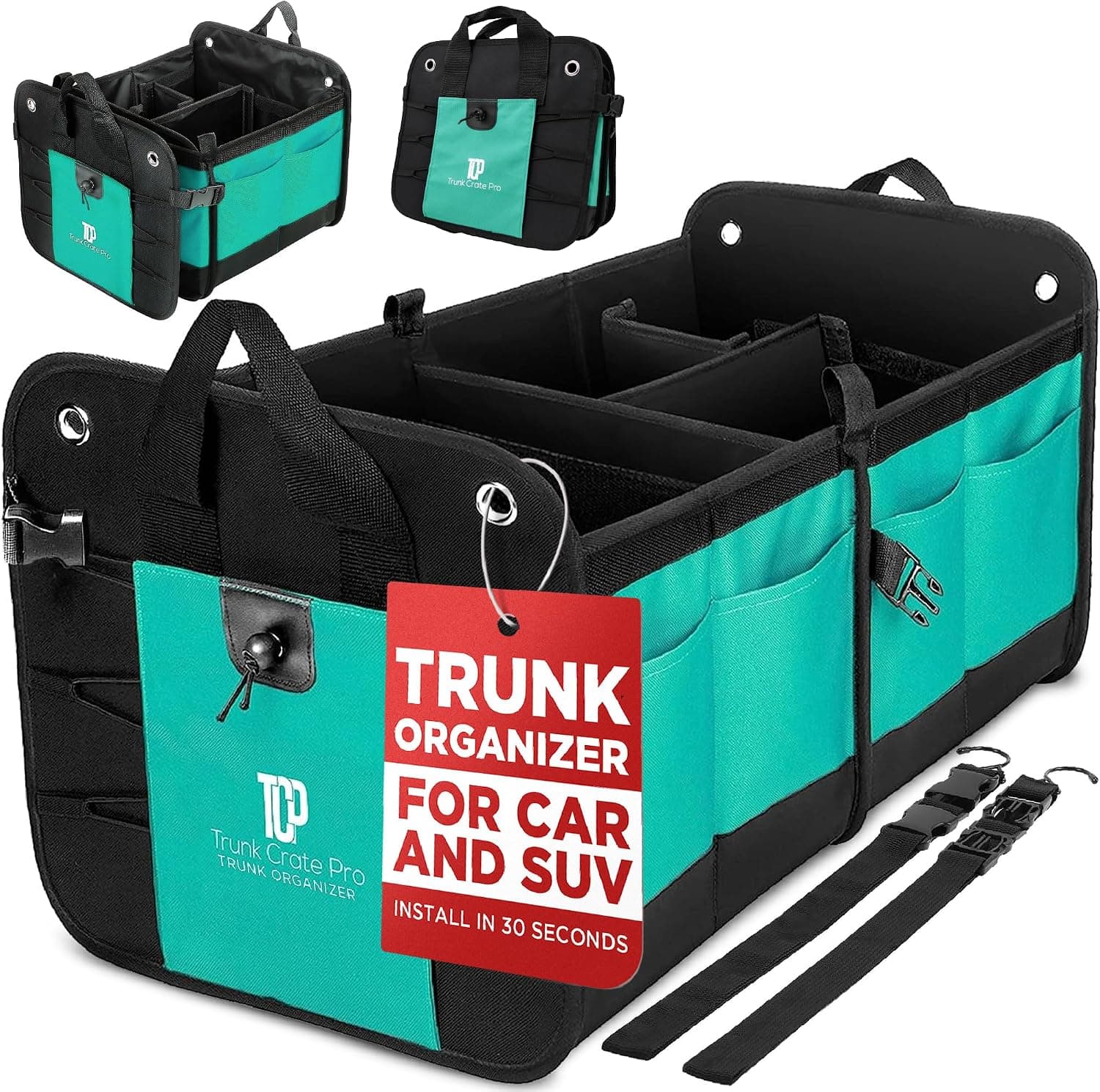
Nothing drains the fun from a trip faster than tearing your car apart to find one item. Good packing is a system, not luck, and it starts with grouping gear and giving everything a home. This guide covers how to organize with bins, plan a smart trunk layout, and keep your most used items within reach, so setup and teardown stay quick every time.
Group Gear by Function
The foundation of any packing system is grouping gear by how you use it. Keep kitchen items together, sleeping gear together, and tools together, so you grab one bin instead of hunting through five. This mirrors how you actually camp, since you rarely need a spatula and a sleeping bag at the same moment.
Once your categories are set, they rarely change, which makes packing faster on every future trip. Store each group in its own container year round, and restock it after you get home. When the kitchen bin always holds the kitchen, you can load the car in minutes and trust that nothing important got left behind.
Choose the Right Bins
Not all storage bins suit a bouncing trunk, so choose sturdy containers with secure lids that stack. Rigid plastic totes protect fragile gear and double as seats or tables at camp, which adds value beyond storage. Match the bin sizes to your vehicle floor, since containers that fit snugly do not slide around while you drive.
Clear bins let you see contents at a glance, while labeled opaque ones keep things tidy and dust free. Avoid oversized bins that get too heavy to lift, and favor a few medium boxes over one giant one. A consistent set of matching containers stacks neatly, which frees up the vertical space most trunks waste.
Plan Your Trunk Layout
Think of your trunk in layers, with heavy items low and light ones on top. Load in reverse order of use, so the first things you need at camp come out last. Sleeping gear can go deep since you only need it at night, while chairs and the kitchen bin belong near the tailgate for quick access.
Leave a clear path to your most used gear so you are not unloading the whole car for a snack. If you sleep in the vehicle, plan how the daytime cargo shifts to make room for your bed. Testing the layout at home reveals awkward spots early, which saves you from rearranging everything in a dark parking lot.
Keep Daily Items Within Reach
Some things you reach for constantly, so give them a spot you can grab without digging. Headlamps, keys, phones, and snacks belong in a door pocket, a seat organizer, or a small dedicated pouch. Keeping these essentials separate from the deep storage bins means you are not unpacking your carefully loaded trunk a dozen times a day.
Power is part of daily access now, since phones, lights, and small devices all need charging. A portable power station tucked in an easy spot keeps everything topped up without draining your car battery. Position it near where you sit in the evening, so charging cables stay out of the walkways and out of your sleeping area.
Reset and Restock After Each Trip
A packing system only stays useful if you maintain it, so reset your bins as soon as you get home. Refill fuel, replace used first aid items, and note anything that ran low, since fixing it now beats discovering the gap at your next site. A packing checklist taped inside a bin lid keeps this quick and reliable.
Water deserves special attention, because empty or stale containers are easy to forget. Rinse and dry them after each trip, then refill just before you leave for fresh, clean supply. Treating teardown as part of the next trip's prep means your car is always close to ready, which makes spontaneous weekend getaways far easier.