Car Camping vs Tent Camping
As an Amazon Associate I earn from qualifying purchases.
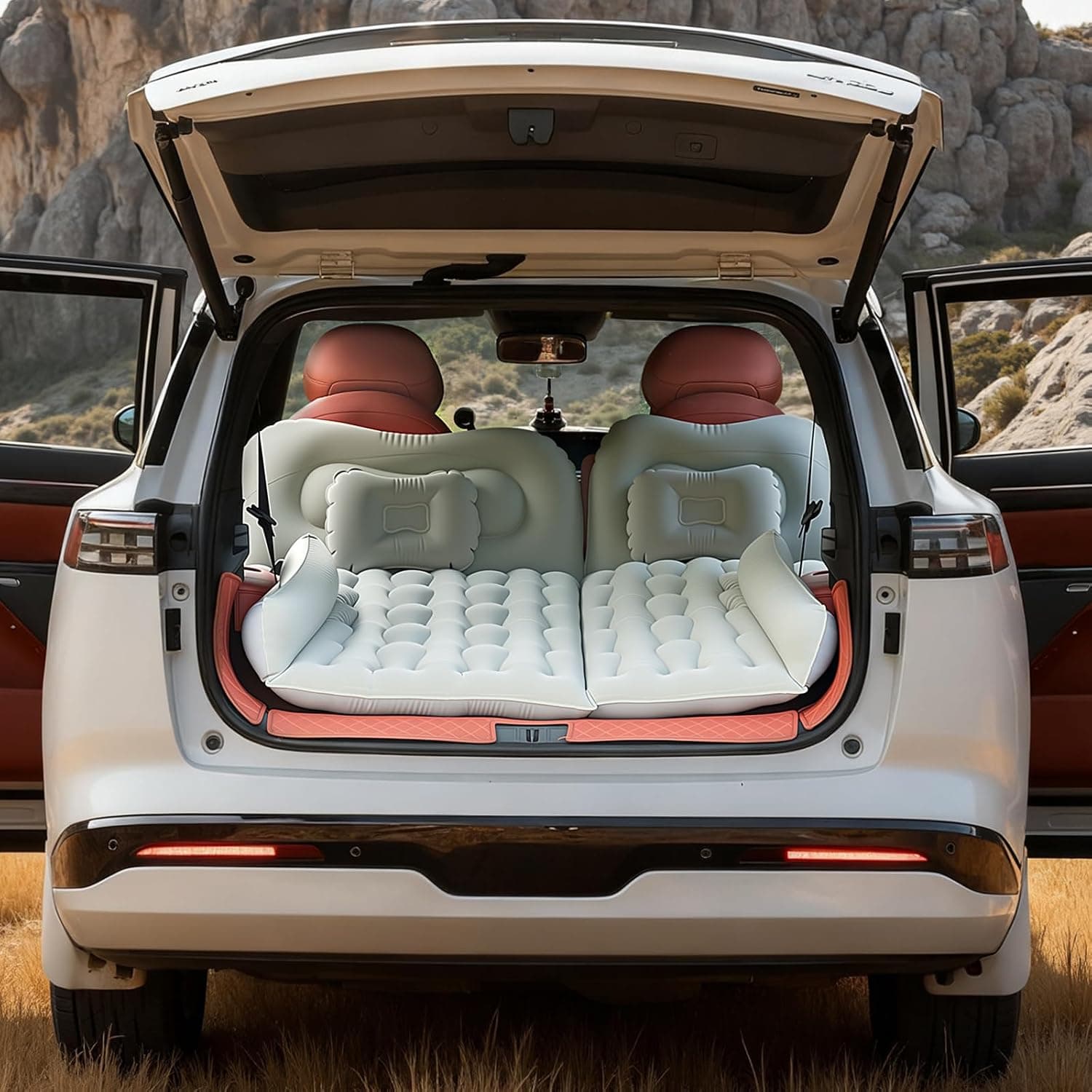
Car camping and tent camping both get you outdoors, but they feel very different in practice. One trades a little wildness for comfort and speed, the other trades convenience for reach and simplicity. This guide compares the two honestly across the things that actually shape a trip, so you can choose the style that suits how and where you like to camp.
Comfort and Setup
Car camping wins on comfort and speed, since your bed is a flat platform inside a weatherproof shell you can set up in minutes. There is no tent to pitch in the wind and no stakes to hammer into hard ground, so you can arrive late and still be in bed quickly. That ease is a big part of why car camping suits busy weekends.
Tent camping asks more of you at setup but rewards you with a room of your own away from the car. A good tent is still comfortable with the right pad and bag, though you feel the ground and the weather more directly. For many, that closeness to the outdoors is the point rather than a downside.
Weather and Warmth
A vehicle shrugs off wind and rain far better than fabric, and it warms up faster on a cold morning. Window covers add insulation and privacy, and you never worry about a leaking seam in a downpour. That resilience makes car camping the easier choice for shoulder seasons and unpredictable forecasts.
Tents handle weather well when pitched properly, but a bad storm tests both the tent and your patience. Condensation and cold ground are the usual challenges, both solved with ventilation and a warm pad. The trade is that a tent lets you camp where no vehicle can reach, which opens up quieter, wilder spots.
Where You Can Go
Car camping keeps you near a road, since the whole appeal is sleeping in or beside the vehicle. That limits you to established sites and pullouts, which is fine for most trips but rules out remote backcountry. The upside is that you can carry heavy, comfortable gear because you never have to lift it far.
Tent camping travels anywhere you can walk, from a car campground to a spot miles down a trail. That reach is its great advantage, letting you wake up somewhere a car could never park. The cost is that everything you bring has to be carried, which pushes you toward lighter, more compact gear.
Cost and Gear
Car camping can start cheap since you already own the biggest piece, the vehicle, and can add comfort gear over time. Because weight and size barely matter, you can buy budget versions of most items and still be comfortable, which keeps the entry cost low for beginners.
Tent camping needs a quality tent plus a pad and bag rated for the conditions, and lightweight gear costs more per item. That said, a solid tent setup lasts for years and works for both car and backcountry trips, so it can be the more versatile investment if you plan to range farther over time.
How to Choose
Pick car camping if you value comfort, quick setup, and shrugging off weather, and if your favorite spots are reachable by road. It is the friendliest way to start and the easiest to enjoy on a tight schedule, which is why so many people begin here and never feel the need to change.
Choose tent camping if reaching quiet, remote places matters more than convenience, or if you want the simplest, most portable kit. Many campers do both, keeping a comfortable car setup for weekends and a light tent kit for adventures. The best choice is simply the one that gets you outside more often.