How to Keep Food Cold Car Camping
As an Amazon Associate I earn from qualifying purchases.
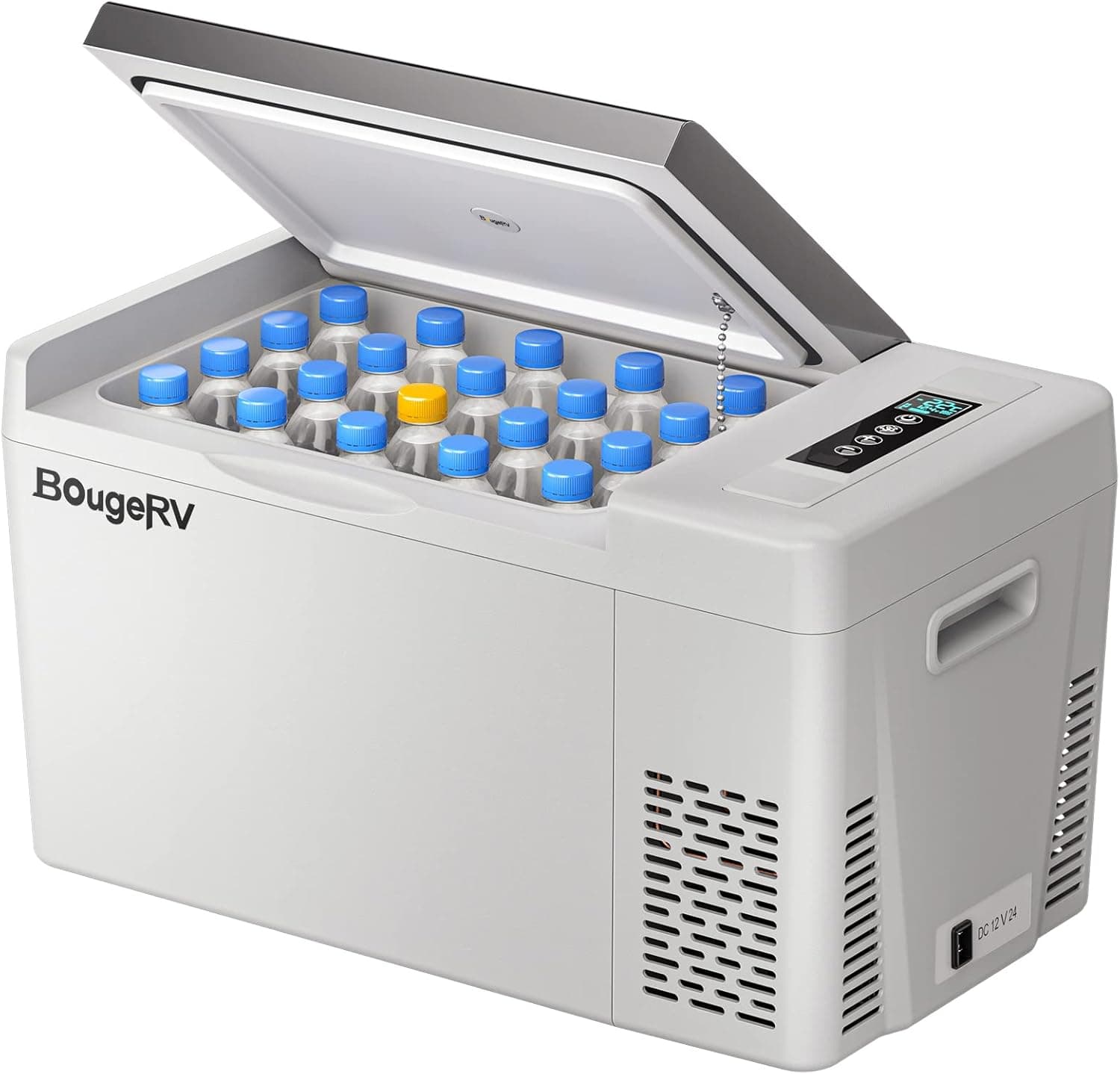
Cold food is comfort and safety rolled into one. Nobody wants warm drinks or a cooler full of soggy, spoiled produce halfway through a trip. The two main paths are a high performance cooler with a smart ice strategy or a twelve volt fridge that never needs ice at all. This guide compares both, then covers the ice tricks and food safety basics that keep everything fresh.
Coolers vs 12V Fridges: The Core Choice
The decision comes down to trip length, climate, and whether you carry a power source. A quality cooler is affordable, needs no electricity, and works anywhere, which makes it perfect for shorter weekend trips. Its limits show on long, hot outings where you burn through ice and end up with everything swimming in cold water by day three.
A twelve volt fridge holds a set temperature straight from your power station and never needs ice, so food stays dry and genuinely cold for as long as the battery lasts. It costs more and needs power, but for frequent campers or hot climates it removes the biggest daily chore. Many campers eventually run both, using each for what it does best.
Getting the Most From a Cooler
A good cooler rewards good technique. Pre chill it the night before with a bag of sacrificial ice, since a warm cooler spends its first day just cooling itself instead of your food. Start with cold food and drinks too, because a cooler holds temperature well but does very little to actively pull warmth out of anything you load in warm.
Keep the lid closed as much as you can, since every opening dumps cold air and invites warmth in. Store the cooler in shade, cover it with a blanket, and avoid draining the meltwater right away, since cold water still helps hold temperature. These small habits can double how long a single load of ice lasts in the field.
Smart Ice Strategy
Not all ice is equal. Block ice melts far slower than cubes because it has less surface area, so it is your best choice for long cold retention. Cubes chill food faster and fit around items, so a mix of both gives you quick cooling plus lasting staying power through the length of a typical trip.
Reusable ice packs pull double duty since they will not leave a soggy mess as they thaw. Freeze meat and meals you will eat later in the trip so they act as extra cold packs early on. Keeping food in sealed containers keeps it dry and stops meltwater from ruining anything as the ice slowly gives way.
Food Safety on the Road
Cold food is safe food. Perishables should stay below forty degrees Fahrenheit to keep bacteria in check, so a small fridge thermometer is a cheap way to know rather than guess. Pack raw meat at the very bottom in sealed containers so nothing drips onto ready to eat food and cause cross contamination in a tightly packed cooler.
Plan meals so you eat the most perishable items first and lean on shelf stable food later in the trip. If something has been warm for too long, when in doubt throw it out, since a spoiled meal can end a trip fast. Keep hands and surfaces clean, and separate raw and cooked food at every step of prep.
Powering a Fridge in Camp
A twelve volt fridge only shines if you feed it steady power. A portable power station is the usual choice, sized so it runs the fridge overnight without threatening your car starter battery. The fridge is typically the largest continuous draw in camp, so plan your whole power setup around keeping it running through the night and into the next day.
Solar helps enormously by topping the battery up during the day while the fridge cycles. A well matched fridge, battery, and panel can run indefinitely on a sunny trip with no outlet in sight. Set the fridge to a sensible temperature rather than the coldest setting, since a modest change in target temperature noticeably stretches how long your battery lasts.