Car Camping Power Setup Explained
As an Amazon Associate I earn from qualifying purchases.
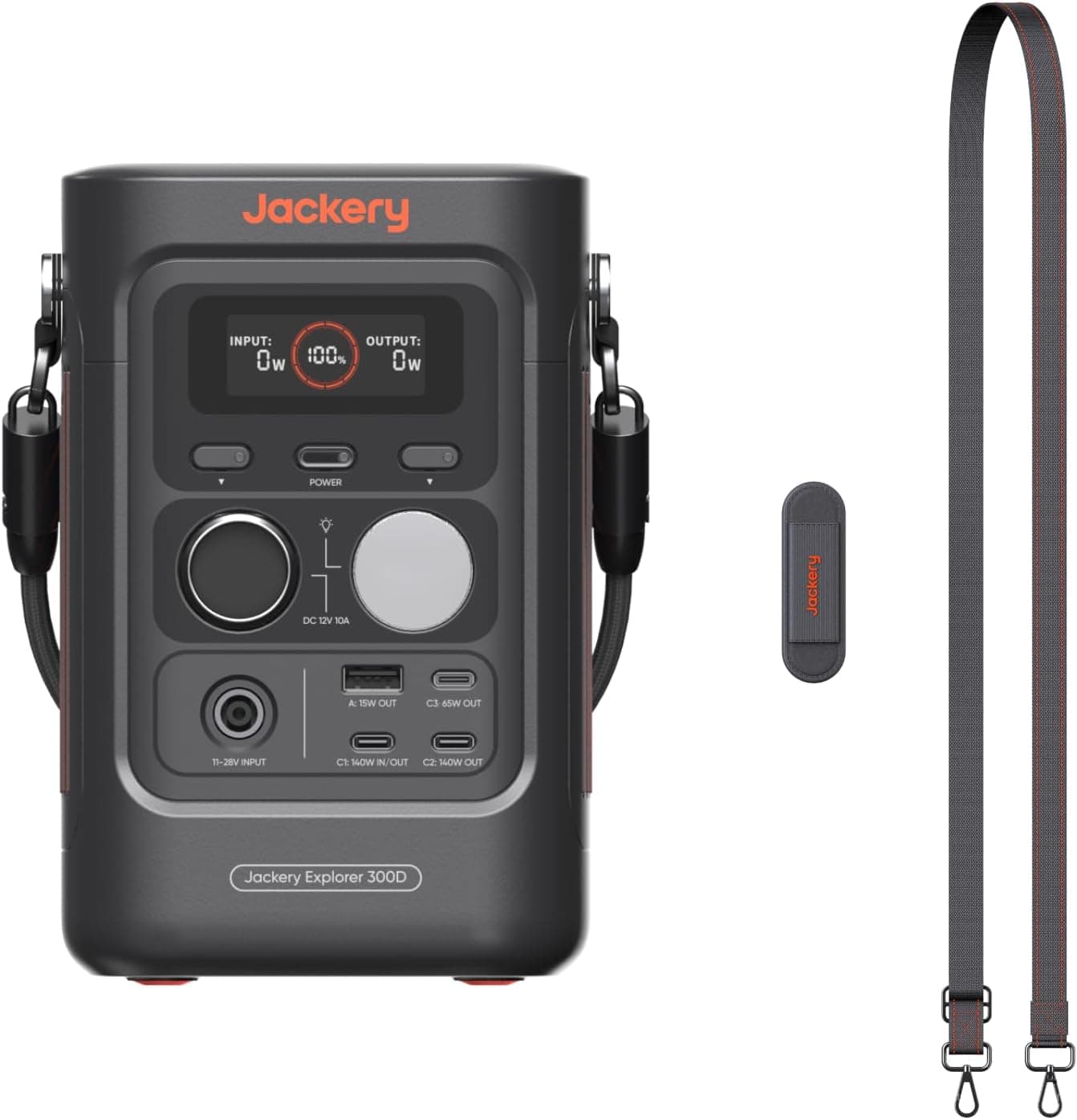
Power turns a basic car camp into a comfortable off grid base. A fridge, fan, lights, and charged phones all draw from the same source, so understanding your options pays off fast. This guide breaks down portable power stations, solar panels, and twelve volt gear, then shows how to size a battery to what you actually run so you never get caught with a dead pack.
How Portable Power Stations Work
A portable power station is a large battery with built in outlets, so it acts as the hub of your camp electrical system. It stores energy in watt hours and delivers it through standard wall sockets, USB ports, and twelve volt outputs. That flexibility means one box can run almost everything you bring, from a laptop to a small fridge, without any wiring.
Capacity is measured in watt hours, which tells you how much energy the unit holds. A larger number means more runtime but also more weight and cost. Think of watt hours as the size of your fuel tank and watts as how fast you can pour it, since both matter when you choose the right station for your trips.
Adding Solar to Stay Off Grid Longer
Solar panels top up your power station during the day so a weekend trip never runs the battery flat. On a sunny afternoon a folding panel can replace much of what your fridge and lights drew overnight. That steady trickle is what lets you stay out for days without hunting for a wall outlet or driving somewhere to recharge.
Output depends on panel size, sun angle, and clear skies, so real world charging is always slower than the sticker rating suggests. Point the panel straight at the sun and reposition it a few times a day for the best results. Match panel wattage to your daily use, and treat solar as a reliable supplement rather than your only source of power.
Running a 12V Fridge and Other Gear
Twelve volt gear is built for vehicles and sips power efficiently, which makes it ideal for camp. A twelve volt fridge is the standout example, holding a steady temperature while drawing far less than a household unit. Fans, lights, and air pumps in the same format all run happily off a power station or straight from your car battery.
The fridge is usually the biggest continuous draw in camp, so plan your battery around it first. Run it from the power station overnight to protect your starter battery from going flat. Efficient twelve volt gear stretches every watt hour, so leaning on it over power hungry household appliances is the simplest way to camp longer on the same battery.
Sizing Your Camp Power Correctly
Right sizing starts with a quick audit of what you run and for how long. List each device, note its wattage, and multiply by the hours you use it each day. Add those numbers up and you get your daily watt hour need, which is the single most useful figure for choosing a station that will actually last your trip.
Once you know your daily draw, add a margin of thirty percent or so for cold nights, cloudy solar days, and general inefficiency. A battery that barely covers your estimate on paper will disappoint in the field. Buying a little more capacity than the math demands is cheap insurance against a dead pack on your final morning out.
Charging, Cables, and Backup Plans
How you recharge matters as much as capacity. Most stations refill from a wall outlet at home, from solar in the field, or from your car while you drive between spots. Topping up on the road is an easy habit that keeps the battery full without any extra effort, especially on trips that involve regular driving.
Keep your cables organized and bring the adapters each charging method needs, since a missing cord makes a full battery useless. A rugged power bank is a smart backup for phones and headlamps if the main station runs low. Test your whole setup at home before you leave so you find any gaps in the driveway rather than at the campsite.