Safety Tips for Sleeping in Your Car
Published How we research
Never run a fuel-powered heater, stove, or engine inside a closed vehicle, since carbon monoxide can kill silently while you sleep. Crack windows for ventilation regardless of weather to prevent condensation and stale air. For personal security, park somewhere calm and legal, use window covers, keep keys within reach, and trust your gut if a location feels wrong. Choose level ground away from flash-flood zones, cold-air pockets, and unstable trees. Prepare for emergencies with a charged phone, offline maps, and a shared plan with someone. Heat and cold both demand real respect as health hazards, not just comfort issues. Car camping is generally very safe, but a few genuine hazards deserve real attention, and understanding them lets you rest easy rather than lie awake worrying. The risks fall into three broad categories: air quality and health inside the vehicle, personal security from other people, and choosing a safe place to park. Handle those three well and you have covered nearly everything that could go wrong.
Products from this article
The highest-scoring picks from the buying guides this article links to. Scores are our editorial assessment, not customer ratings.
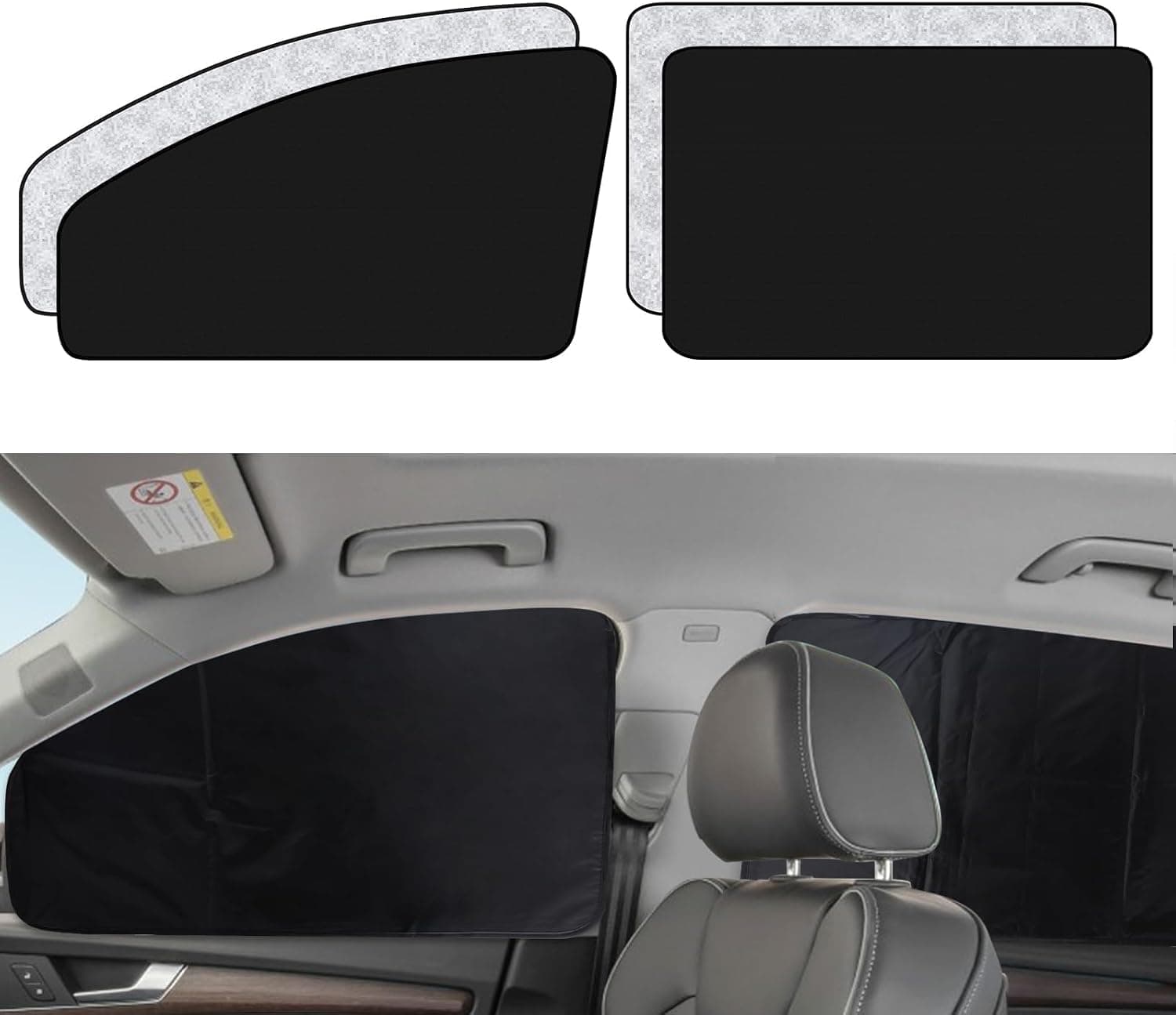
+ Magnetic frames attach and remove in seconds with no suction cups
From our guide: Best Car Window Covers for Camping Privacy
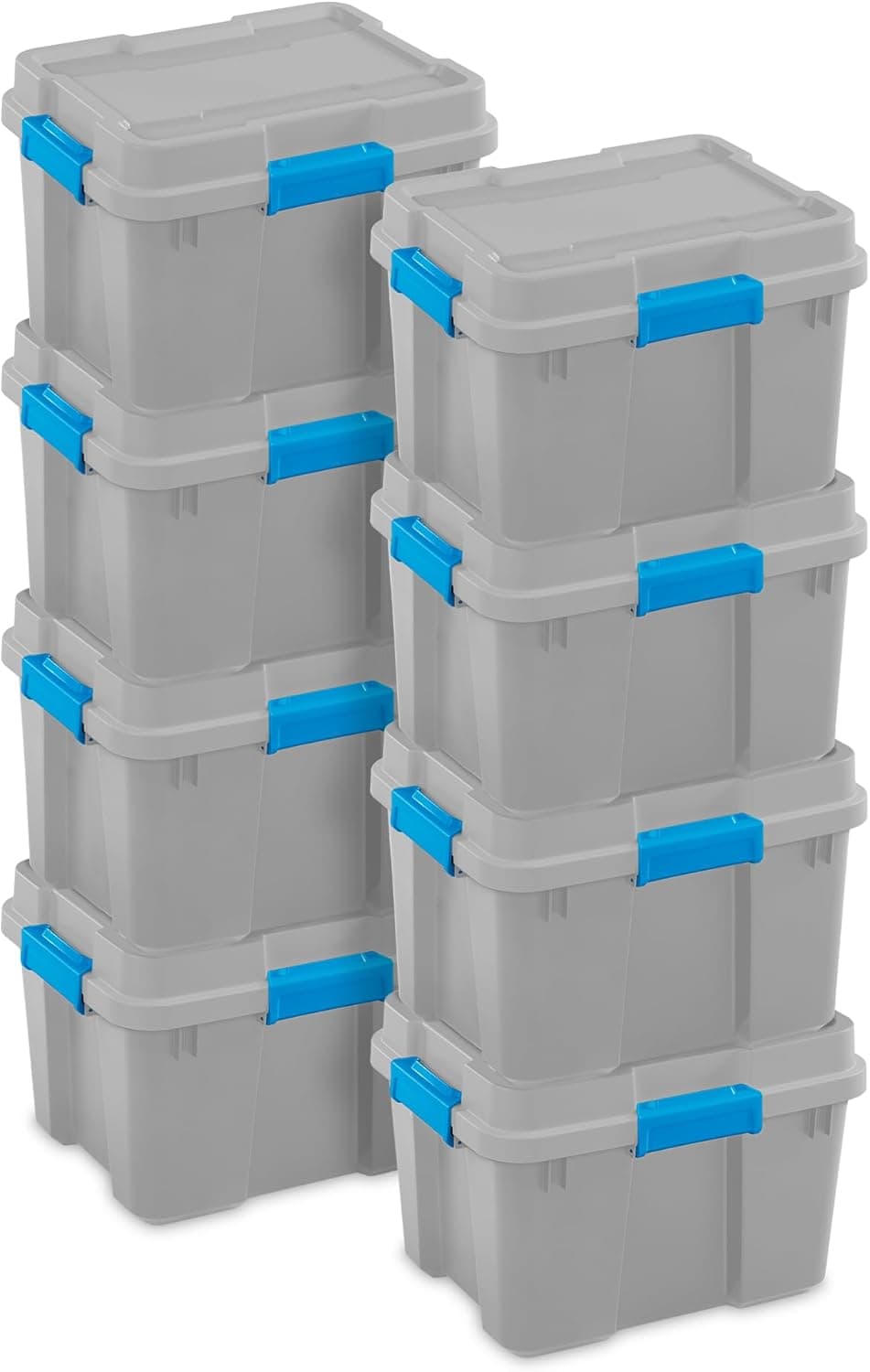
+ Gasket lid seal helps keep dust and moisture out of gear
From our guide: Best Trunk Organizers for Camp Storage
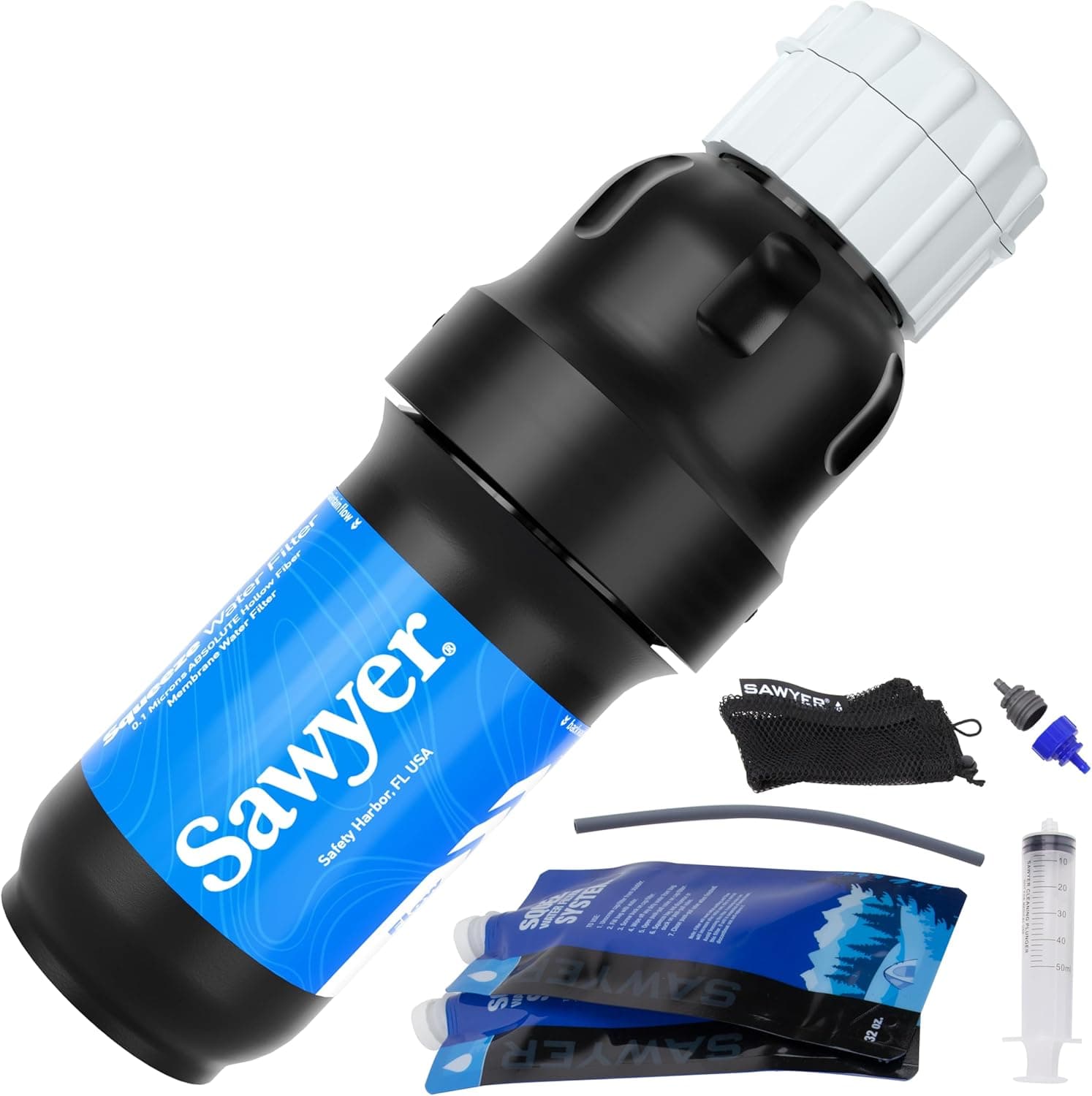
+ Filters water from pouches or bottles by simply squeezing
From our guide: Best Camping Water Filters
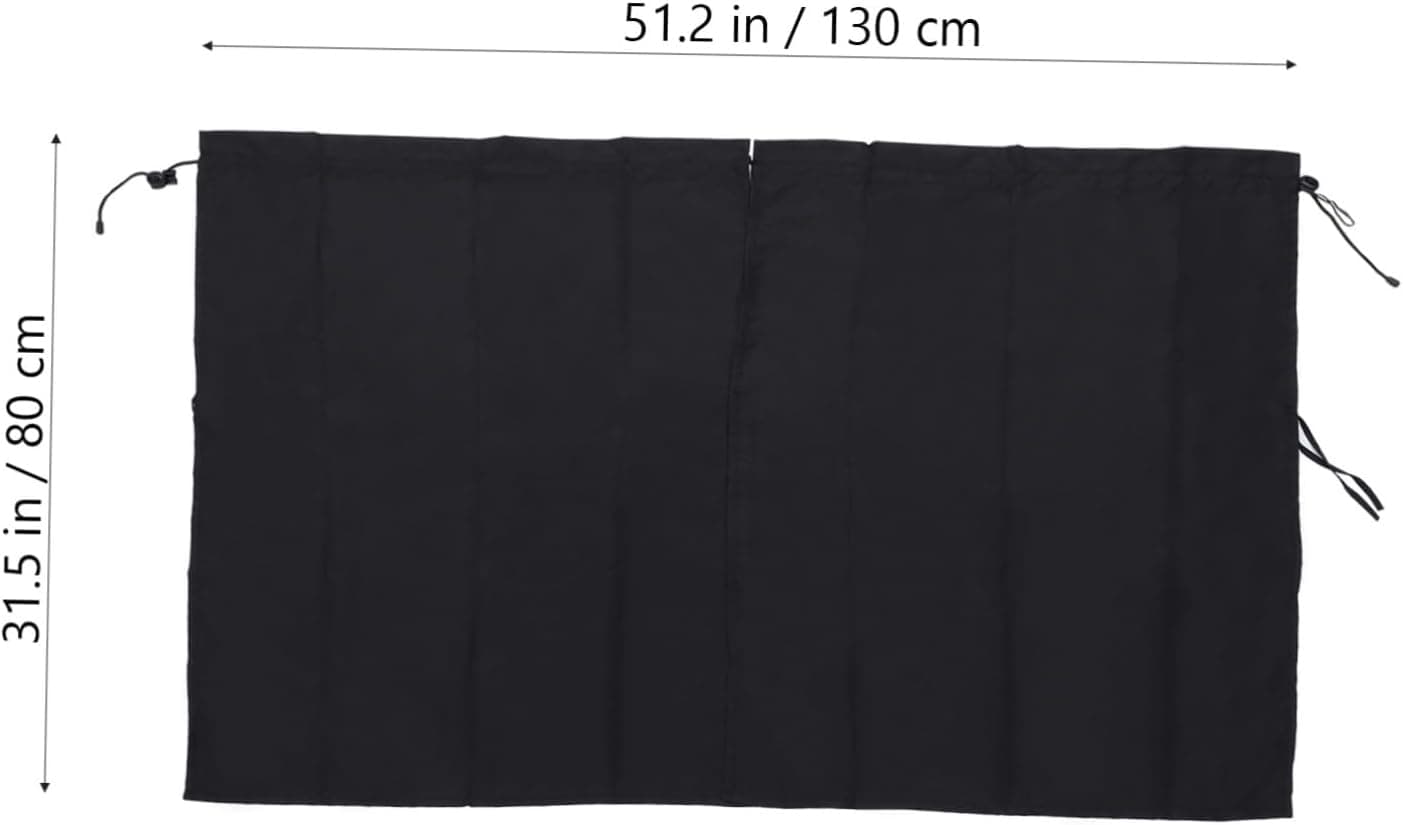
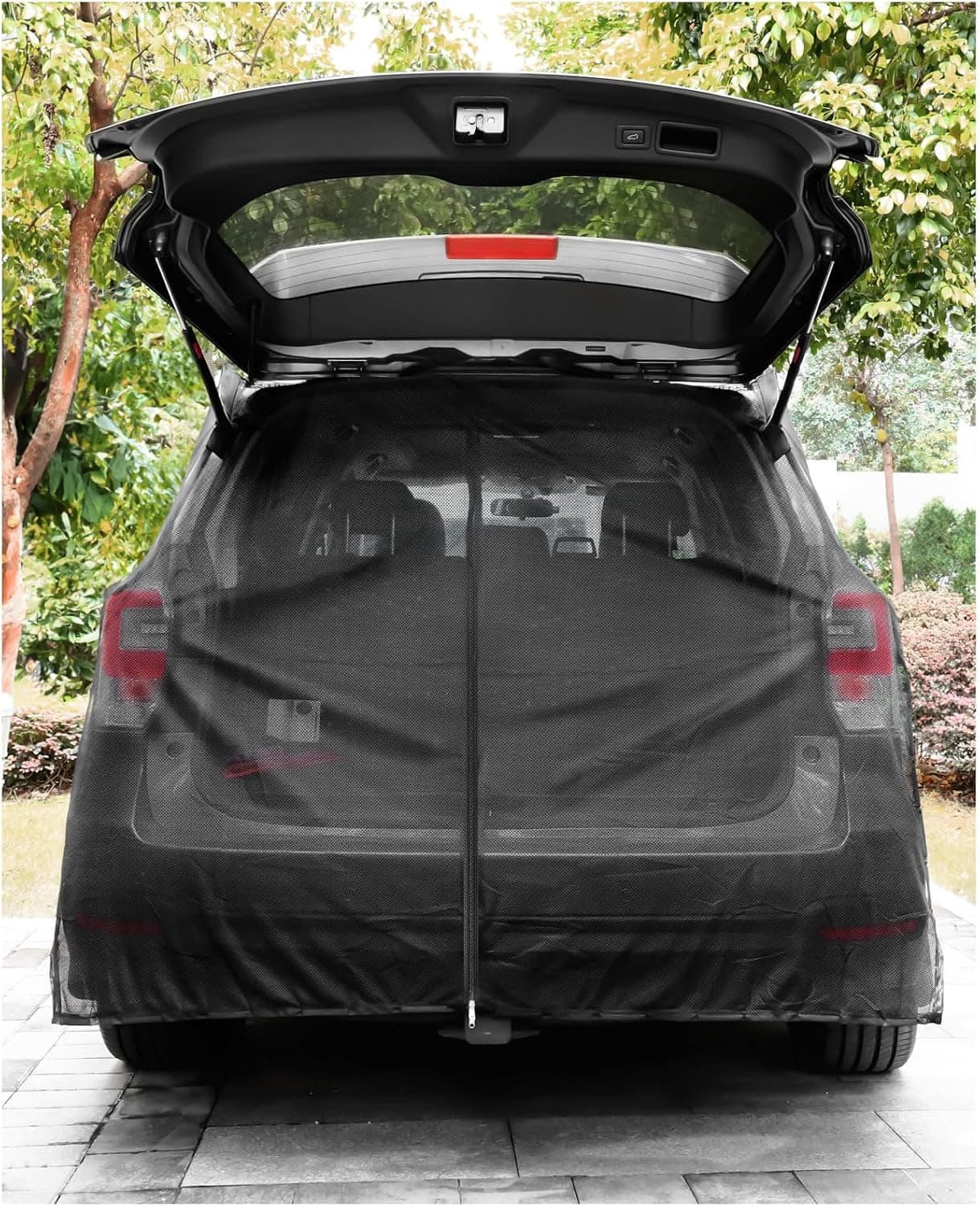
+ Covers the whole hatch opening so you can sleep with the tailgate up
From our guide: Best Car Window Covers for Camping Privacy
The most serious and least visible hazard is carbon monoxide
The most serious and least visible hazard is carbon monoxide. This colorless, odorless gas is produced by any fuel-burning device, and it can kill silently while you sleep. Never run a fuel-powered heater, stove, or lantern inside a closed vehicle, and never run the engine to stay warm with the vehicle sealed, since exhaust can seep into the cabin, especially if the tailpipe is blocked by snow or debris. If you camp in cold weather, rely on insulation and a warm sleeping system rather than combustion, and consider a small battery-powered carbon monoxide detector for peace of mind.
Ventilation supports both safety and health
Ventilation supports both safety and health even when combustion is not involved. Cracking windows prevents the buildup of stale, humid air and reduces condensation, and it ensures fresh air if anything does go wrong. The small gap that keeps condensation down also keeps your air healthy, so make it a non-negotiable habit regardless of weather.
Personal security is mostly about being unremarkable
Personal security is mostly about being unremarkable and trusting your instincts. Park somewhere you have a legal right to be and that feels calm, lock your doors, and use window covers so no one can see in, since a vehicle that does not obviously contain a sleeping person attracts far less attention. Keep your keys within reach so you can drive off immediately if you need to, and keep valuables out of sight. The single most important safety tool is your gut: if a location feels wrong when you arrive, leave and find another. There is no prize for staying somewhere that makes you uneasy.
Choosing where to park is a safety decision
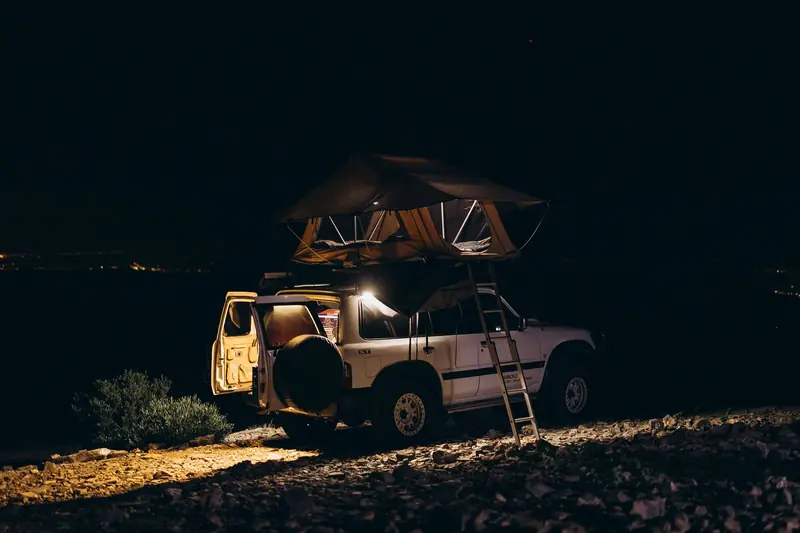
Choosing where to park is a safety decision as much as a comfort one. Level ground keeps you from rolling around and keeps your fridge and stove stable. Avoid the bottom of canyons and dry washes where flash floods can strike, low spots where cold air pools, and dead trees or unstable slopes that could drop branches or debris. In hot weather, never leave children or pets in a parked vehicle, since interior temperatures climb to lethal levels shockingly fast even with windows cracked.
Being prepared for problems turns emergencies into inconveniences
Being prepared for problems turns emergencies into inconveniences. Keep a charged phone and a backup power source, download offline maps for areas without signal, and tell someone your rough plan and expected return so a missed check-in raises an alarm. A basic emergency kit with first aid supplies, water, extra food, a flashlight, and vehicle recovery gear like jumper cables covers the most likely situations. In remote areas, a satellite messenger provides a lifeline where there is no cell coverage.
Heat and cold both demand respect as health hazards
Heat and cold both demand respect as health hazards, not just comfort issues. In heat, prioritize shade, ventilation, and hydration, and never underestimate how quickly a closed car becomes an oven. In cold, focus on staying dry and insulated, and watch for the early signs of hypothermia like uncontrolled shivering and confusion. With carbon monoxide handled, windows cracked, a safe parking spot, and a simple emergency plan, sleeping in your car is a low-risk, high-reward way to spend a night outdoors.
Frequently asked questions
Is it safe to run a car heater while sleeping inside? No, never run a fuel-powered heater, stove, or the engine inside a closed vehicle, since carbon monoxide is colorless, odorless, and can kill silently, especially if the tailpipe is blocked by snow or debris.
What should I do if a campsite location feels unsafe? Trust your gut and leave immediately to find another spot; there is no prize for staying somewhere that makes you uneasy.
What terrain should be avoided when parking to sleep in a car? Avoid the bottom of canyons and dry washes where flash floods can strike, low spots where cold air pools, and dead trees or unstable slopes that could drop debris.
How can I stay safe from other people while car camping? Park somewhere you have a legal right to be that feels calm, lock your doors, use window covers so no one can see in, and keep your keys within reach so you can drive off immediately if needed.
Popular right now
- Fall Car Camping: How to Plan and What to PackArticle
- Keeping Cool When Camping in Hot WeatherArticle
- Best Portable Camping Sinks for Car CampingBuying guide
- Tailgate tent explainedGlossary
- Best Camping Cookware SetsBuying guide
- Best 12V Electric Blankets for Car Camping (2026)Buying guide
Based on the last 28 days of search and visitor data.