Keeping Cool When Camping in Hot Weather
Published How we research
Heat is harder than cold for car campers because a parked vehicle becomes an oven fast. Staying cool is about shade, airflow, and timing: park in tree cover or on the shaded side of a hill (a shaded vehicle can be 20+ degrees cooler inside), run cross-ventilation with a battery fan, and shift strenuous activity to early morning and evening. At night, open everything to flush trapped heat, use insect screens so you can keep windows open, and sleep under just a sheet. Never leave children or pets in a parked car in the heat. Heat is a harder problem than cold for car campers, because while you can always add layers and insulation to fight the cold, there is a limit to how much you can cool a metal box baking in the sun. A parked vehicle becomes an oven with alarming speed, and a hot, airless night is genuinely difficult to sleep through. Staying cool is about managing shade, airflow, and timing rather than any single piece of gear, and it starts with where and when you choose to be.
Products from this article
The highest-scoring picks from the buying guides this article links to. Scores are our editorial assessment, not customer ratings.
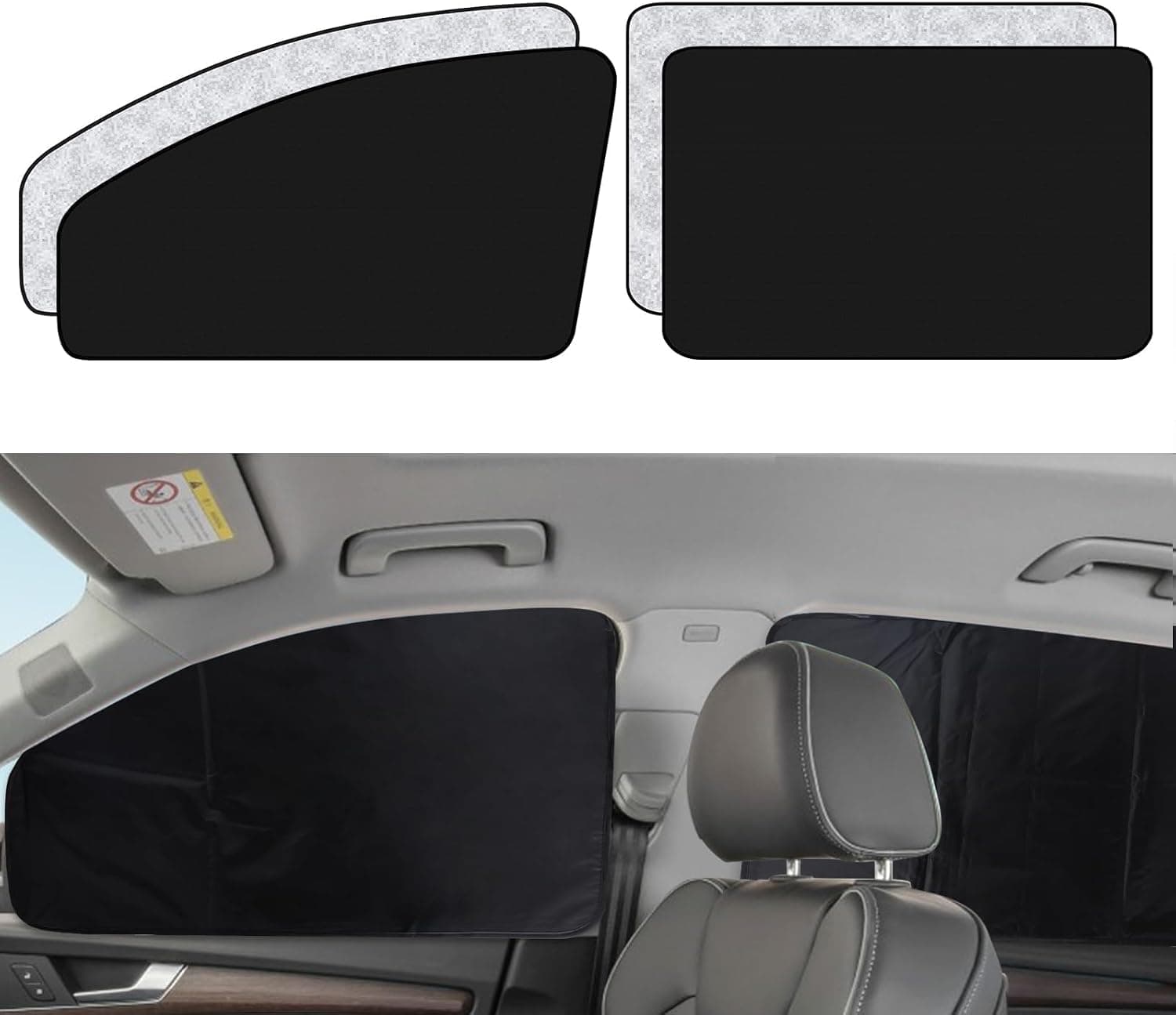
+ Magnetic frames attach and remove in seconds with no suction cups
From our guide: Best Car Window Covers for Camping Privacy
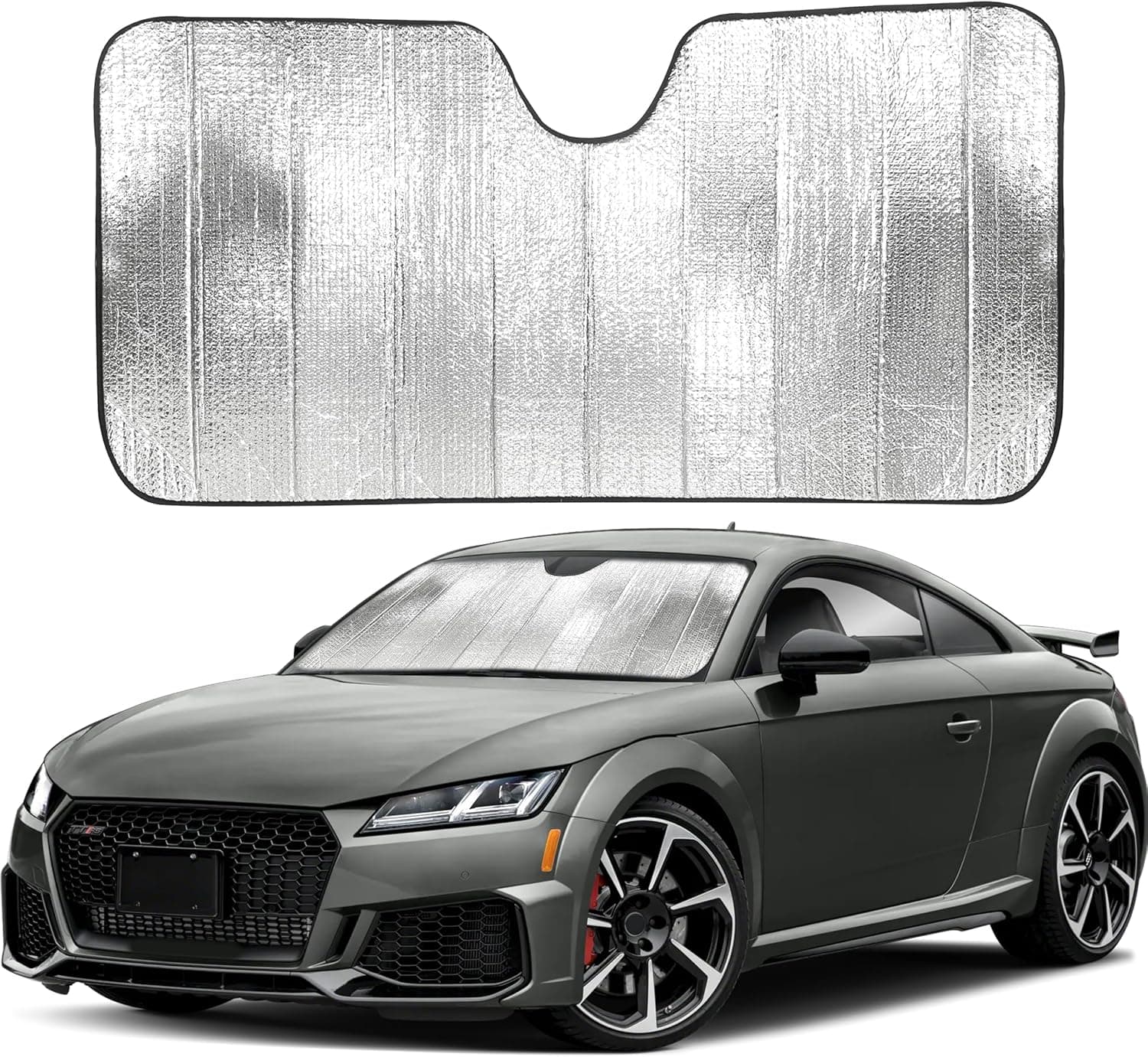
+ 58" x 28" size is stated clearly, so you can check windshield fit
From our guide: Best Windshield Sun Shades for Car Camping (2026)
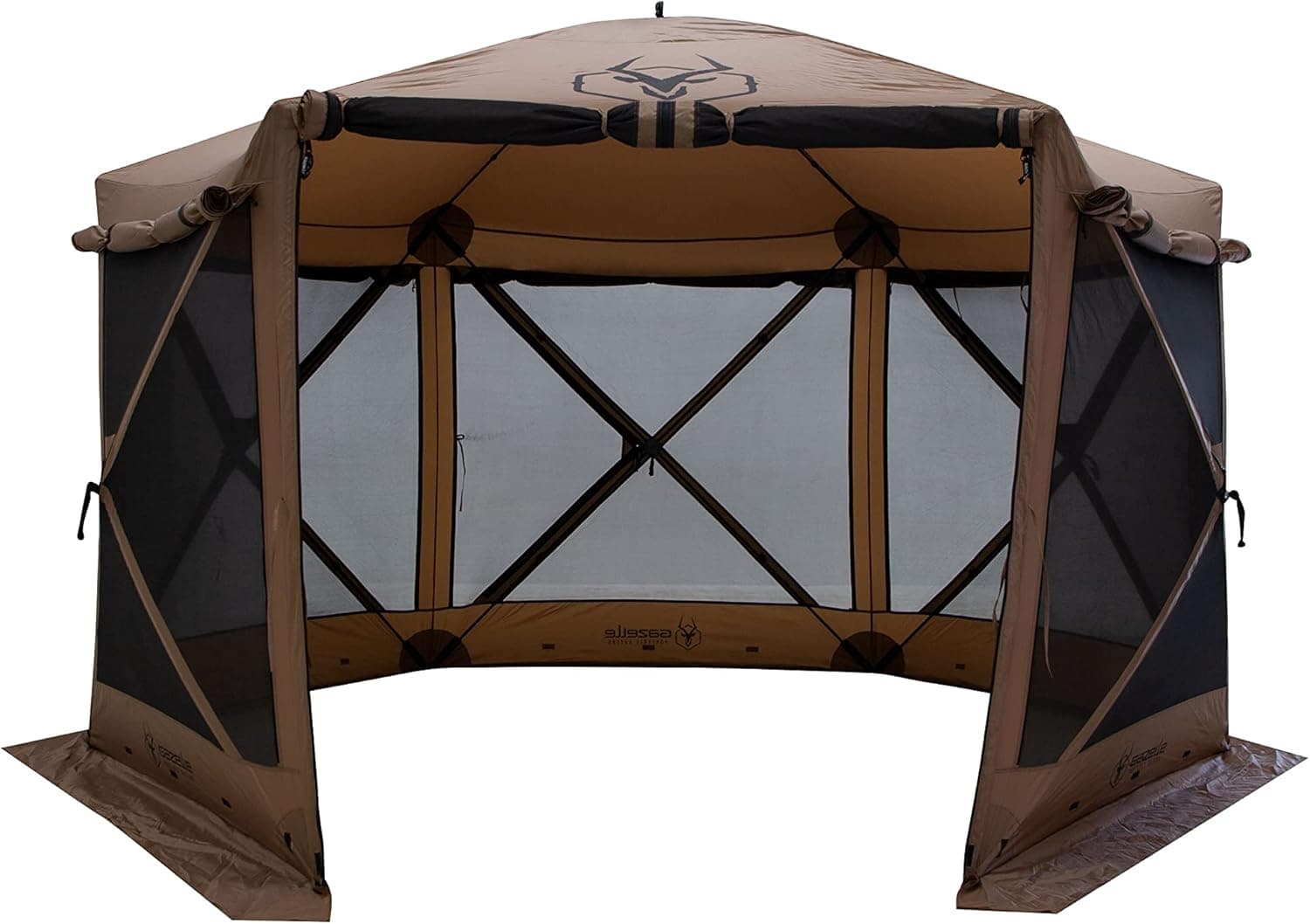
+ Included wind panels block gusts and blowing rain on exposed sites
From our guide: Best Car Awnings for Car Camping
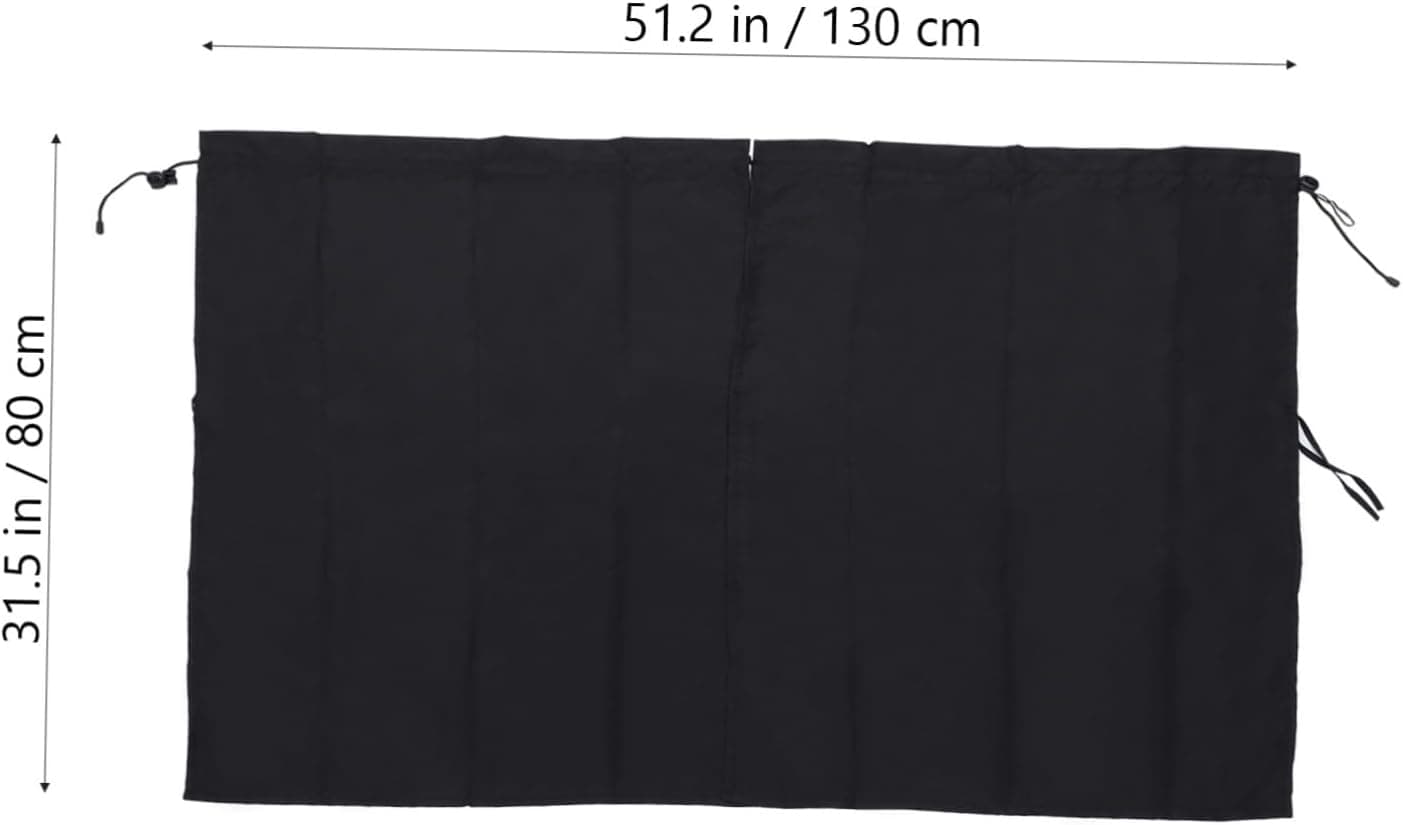
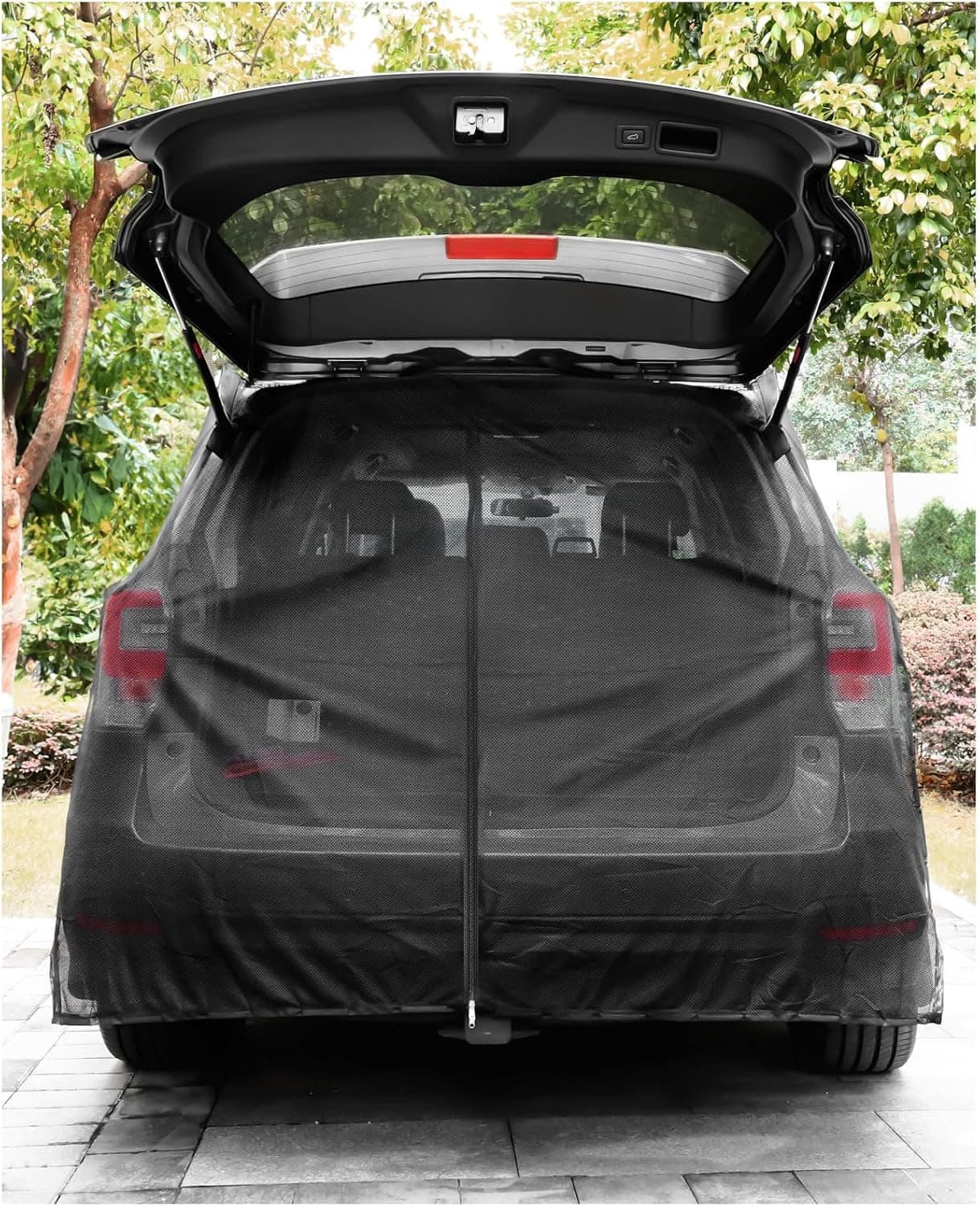
+ Covers the whole hatch opening so you can sleep with the tailgate up
From our guide: Best Car Window Covers for Camping Privacy
Shade is the most powerful tool you have
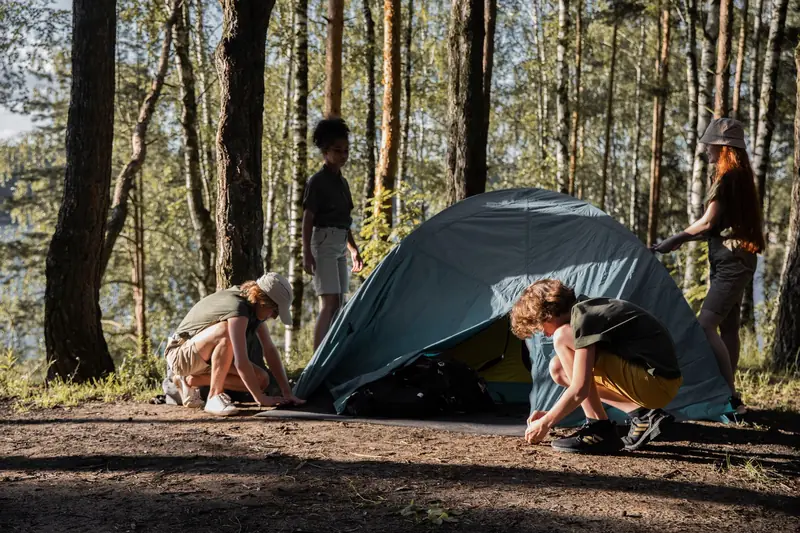
Shade is the most powerful tool you have, and finding it should drive your decisions. A vehicle parked in full sun can be twenty or more degrees hotter inside than one in the shade, so seeking out tree cover, camping on the shaded side of a hill or rock, or setting up where afternoon shadows fall makes an enormous difference. When natural shade is scarce, a tarp or awning strung over the vehicle blocks direct sun from the roof, which is where most of the heat comes in. Reflective window covers on the sun-facing windows keep the interior noticeably cooler by bouncing sunlight away before it enters.
Airflow: cross-ventilation and a small fan
Airflow is the second pillar, because still, hot air inside a vehicle is stifling regardless of the temperature outside. Cross-ventilation, achieved by opening windows on opposite sides, lets a breeze flow through and carries heat away. A small battery or USB-powered fan multiplies the effect, moving air across your body so that even warm air feels cooler through evaporation. Positioning the vehicle to catch the prevailing breeze, with the openings facing into the wind, turns your cabin into something a natural draft can actually cool.
Timing activities around the heat
Timing your activities around the heat keeps you comfortable and safe. The hours around midday are the hottest, so plan strenuous activities for early morning or evening and use the peak heat for rest in the shade, a swim, or a drive with the air conditioning on. This siesta rhythm, common in hot climates for good reason, keeps you out of the worst of the sun. It also means arriving at camp and setting up in the cooler evening rather than the blazing afternoon, so you are not sweating through the hardest work at the hottest time.
Managing the heat that lingers at night
Nighttime brings its own challenge in hot climates, since the vehicle holds the day's heat long after sunset. Open everything up as the air cools to flush the trapped heat out, and use insect screens on the windows so you can keep them open without letting bugs in, which is often the deciding factor in whether you can ventilate at night. A lighter sleeping setup, even just a sheet or a liner instead of a bag, prevents overheating. Some campers wet a bandana or towel and drape it over themselves, letting evaporation cool them as they fall asleep.
Hydration and personal cooling
Hydration and personal cooling protect your body when the environment fights you. Drink far more water than you think you need in the heat, since you lose it constantly through sweat, and add electrolytes if you are sweating heavily for days. A wet bandana around the neck, a dip in any available water, and loose, light-colored clothing all help your body shed heat. Avoid alcohol and heavy meals during the hottest hours, since both make it harder to stay cool and hydrated.
Respect the danger of heat
Above all, respect the danger of heat, because it kills faster than cold in a car. Never leave children or pets in a parked vehicle in warm weather, since interior temperatures reach lethal levels within minutes even with windows cracked. Watch yourself and your companions for the signs of heat exhaustion, like headache, dizziness, and nausea, and move to shade, water, and rest at the first hint. With smart shade, steady airflow, careful timing, and good hydration, even a hot-weather trip stays comfortable and safe, and the cool of a desert evening becomes one of the rewards of camping in summer.
Frequently asked questions
How do I keep my car cool when camping in summer? Manage shade, airflow, and timing: park in shade (a shaded vehicle can be 20+ degrees cooler inside), run cross-ventilation with a battery fan, and rest during the midday peak rather than exerting yourself.
How do I sleep in a hot car at night? Open everything as the air cools to flush the day's trapped heat, use insect screens so you can keep windows open, sleep under just a sheet, and try a damp bandana or towel so evaporation cools you.
Is it dangerous to camp in a car in hot weather? It can be. Never leave children or pets in a parked vehicle in the heat, since interior temperatures reach lethal levels within minutes even with windows cracked, and watch for headache, dizziness, and nausea.
What is the single best way to keep a camping vehicle cooler? Shade. Seek tree cover or the shaded side of a hill, string a tarp over the roof where the heat comes in, and put reflective covers on the sun-facing windows.
Popular right now
- Fall Car Camping: How to Plan and What to PackArticle
- Best Portable Camping Sinks for Car CampingBuying guide
- Tailgate tent explainedGlossary
- Safety Tips for Sleeping in Your CarArticle
- Best Camping Cookware SetsBuying guide
- Best 12V Electric Blankets for Car Camping (2026)Buying guide
Based on the last 28 days of search and visitor data.