Fall Car Camping: How to Plan and What to Pack
Published How we research
Autumn is one of the best seasons to car camp. Campsites empty out, bugs fade and the scenery changes daily. It also brings nights that can drop near freezing, early sunsets and seasonal closures. Planning for those differences keeps a fall trip comfortable.
Products from this article
The highest-scoring picks from the buying guides this article links to. Scores are our editorial assessment, not customer ratings.
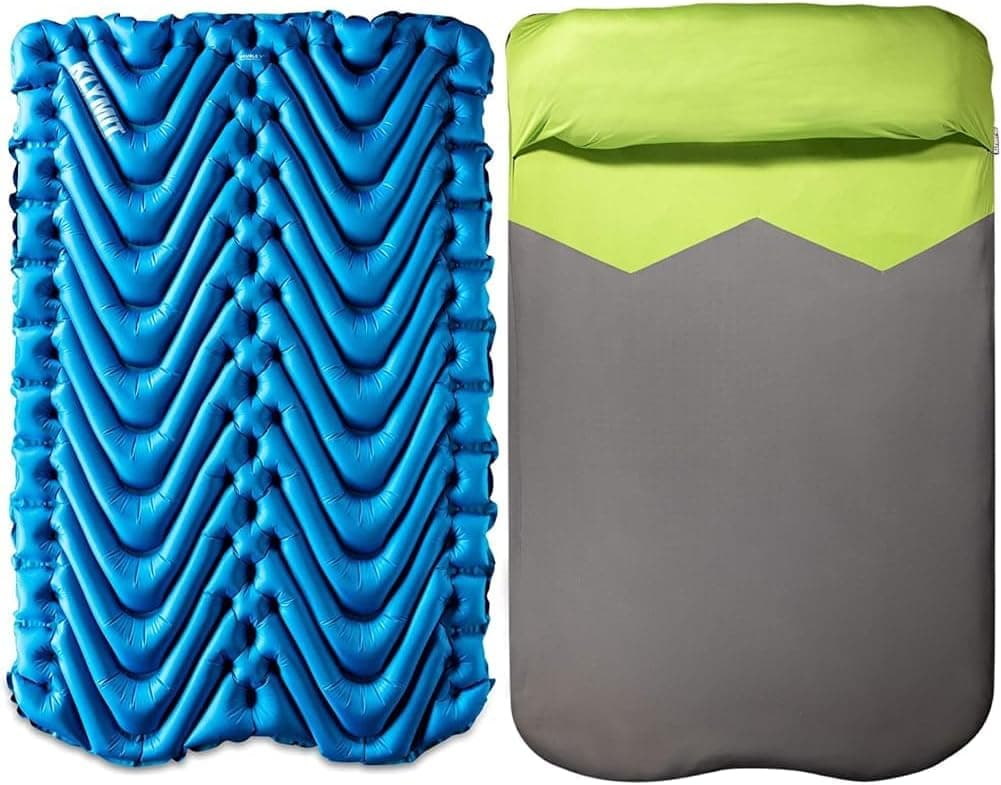
+ Two-person width lets couples share one pad without a gap in the middle
From our guide: Best Sleeping Pads for Car Camping
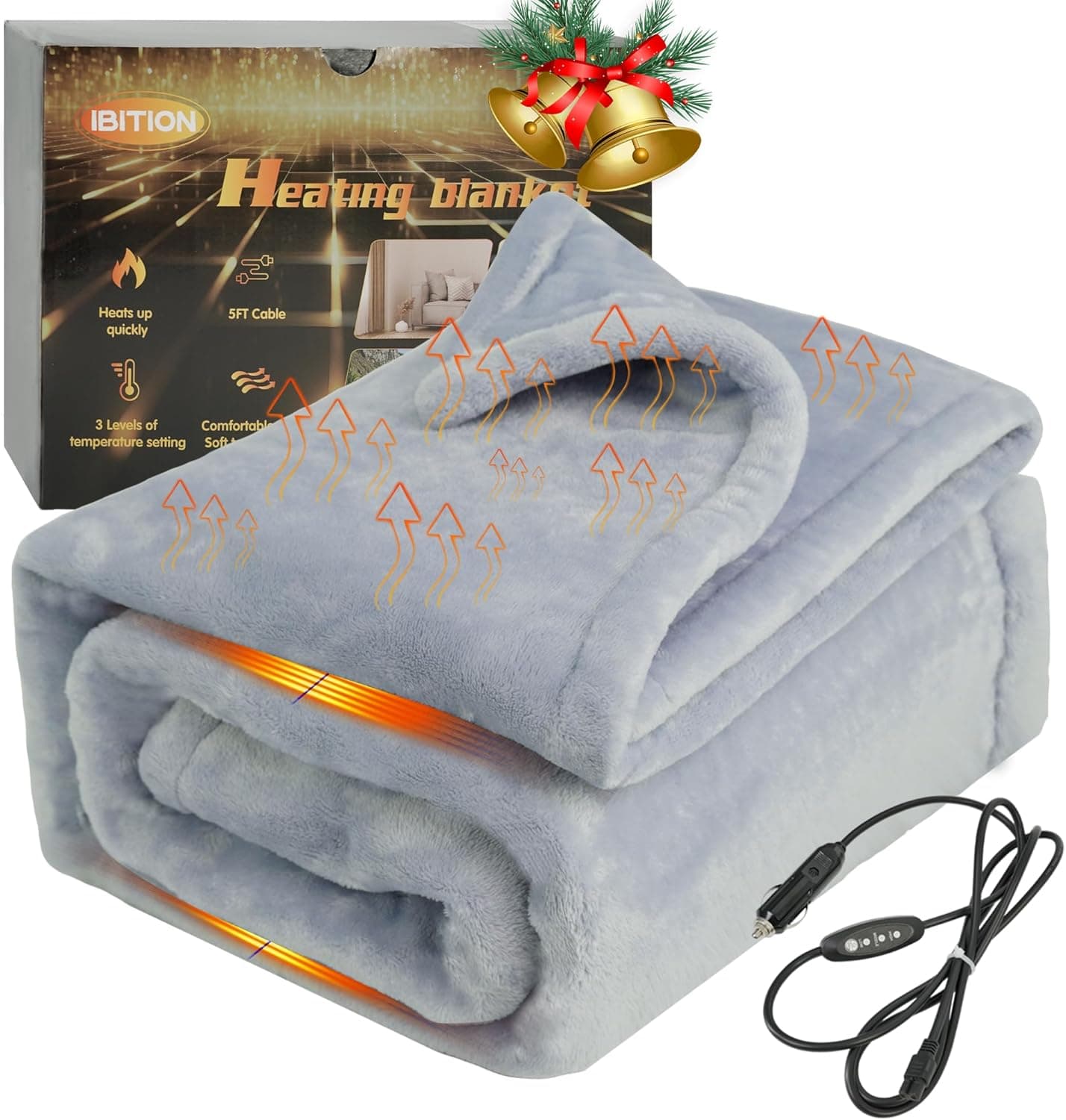
+ Controller offers 3 heating levels to match the night temperature
From our guide: Best 12V Electric Blankets for Car Camping (2026)
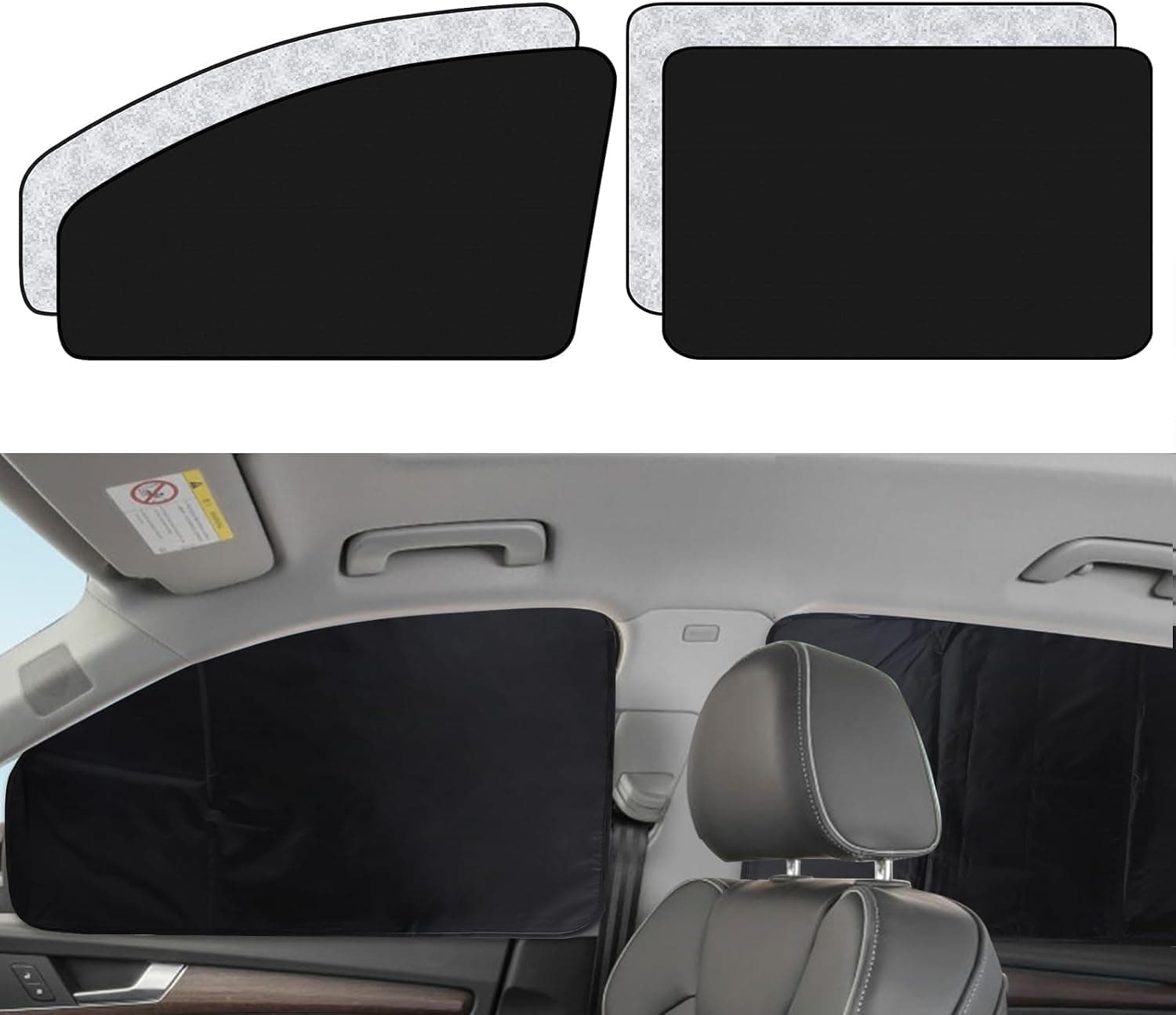
+ Magnetic frames attach and remove in seconds with no suction cups
From our guide: Best Car Window Covers for Camping Privacy
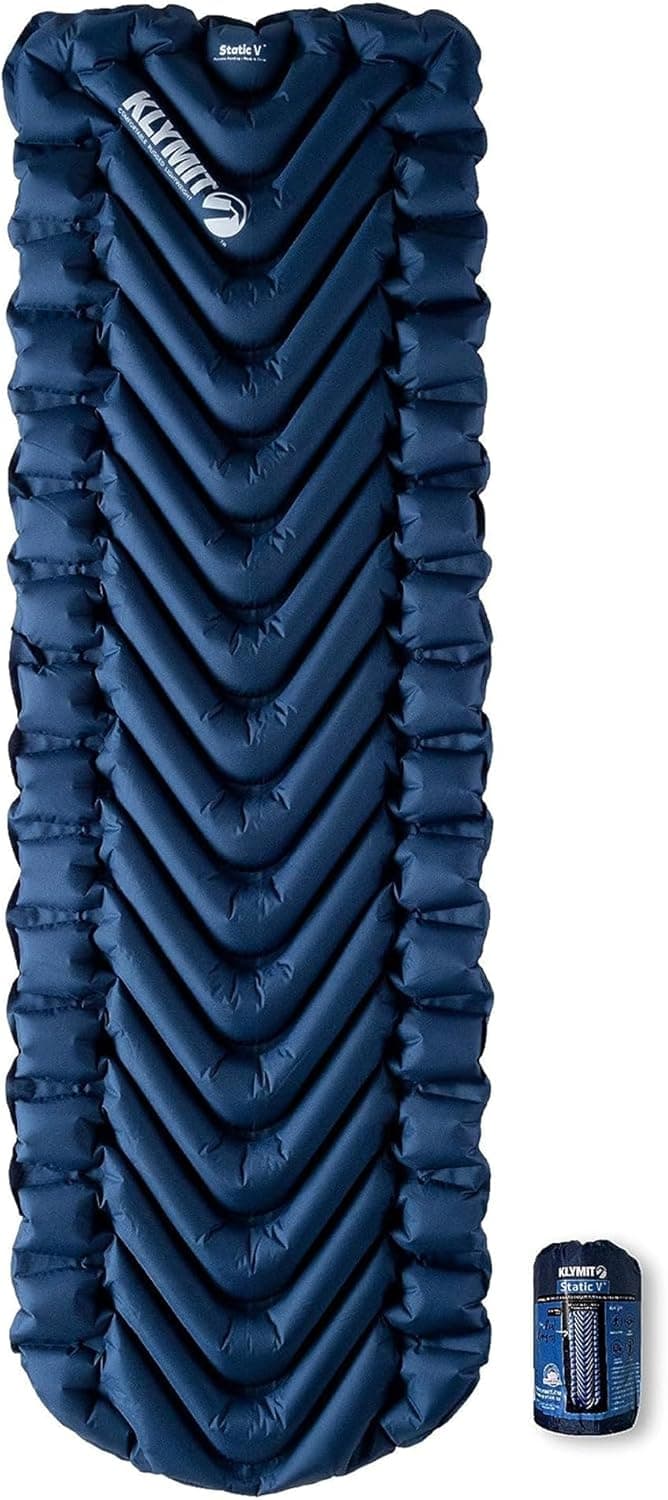
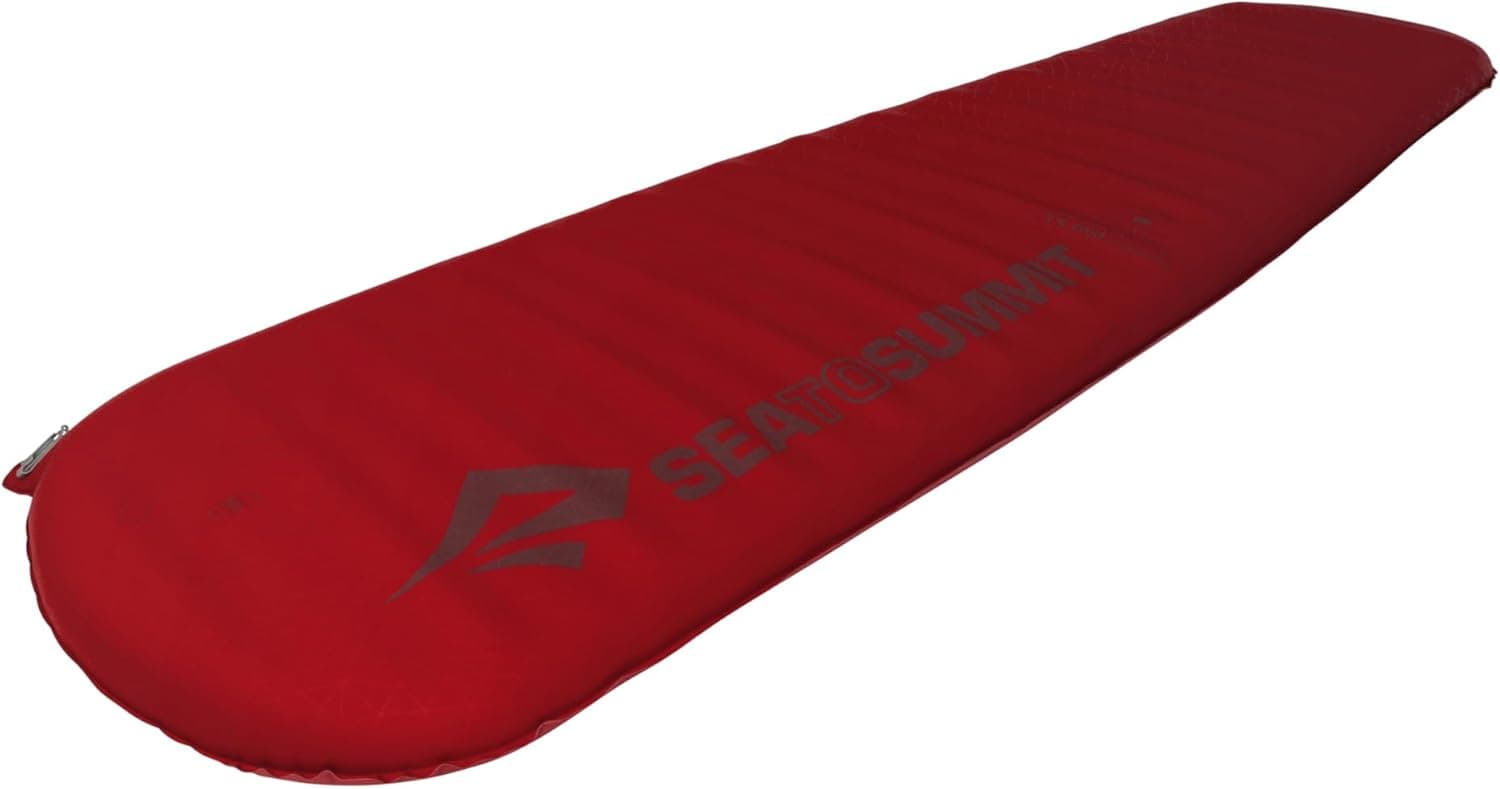
+ Comfort Plus adds more cushioning than the Camp and Camp Plus mats
From our guide: Best Sleeping Pads for Car Camping
Plan around closures and daylight
Many campgrounds and forest roads close or reduce services after peak season. Check opening dates, water availability and whether reservations are still required before you drive out, and have a backup site in mind.
Daylight shrinks quickly in fall. Aim to arrive at camp at least an hour before sunset so you can set up, cook and find the toilet in the light. Download offline maps, since cold weather and remote roads are a bad combination for getting lost.
Sleep warm on cold nights
Choose a sleeping bag by its comfort rating for the coldest expected night, and add an insulated pad with a higher R-value, since cold rises from the cargo floor. A wool blanket or quilt over the bag adds adjustable warmth.
Wear dry base layers and a warm hat to bed, and change out of any damp clothes from the day. Eating a warm snack before sleeping helps your body generate heat through the night.
Manage condensation
Cold outside air and warm breath inside the car create condensation on windows and gear. Crack two windows on opposite sides with bug nets or window socks fitted, even when it is cold, to let moisture escape.
Keep wet boots and jackets in a bag or outside the sleeping area, and wipe windows in the morning with a microfiber towel. Insulated window covers reduce both heat loss and condensation.
Camp kitchen adjustments
Canister stoves lose pressure in cold weather. Keep fuel canisters in the cabin overnight or in a jacket before cooking, and consider a two-burner propane stove, which handles cool temperatures better.
Plan warm, simple meals like soups, pasta and one-pot stews, and bring an insulated mug. Never cook or run heaters inside a closed vehicle because of carbon monoxide risk.
Pack for changeable weather
Fall days can swing from warm afternoons to frosty mornings. Pack layers, a waterproof jacket, gloves and a warm hat, plus extra socks. A camp chair blanket and hand warmers make evenings by the car far more pleasant.
Carry a headlamp with spare batteries, a lantern for the longer evenings and a charged power bank, since cold drains batteries faster than warm weather.
Popular right now
- Keeping Cool When Camping in Hot WeatherArticle
- Best Portable Camping Sinks for Car CampingBuying guide
- Tailgate tent explainedGlossary
- Safety Tips for Sleeping in Your CarArticle
- Best Camping Cookware SetsBuying guide
- Best 12V Electric Blankets for Car Camping (2026)Buying guide
Based on the last 28 days of search and visitor data.