The Complete Car Camping Checklist
Published How we research
Sleep essentials include an insulated pad, sleeping bag rated for expected temperatures, pillow, and window covers. Water and food need careful planning since you can't improvise them: carry more water than expected plus a stove, cookware, and cooler. Safety and repair items, first aid kit, headlamp, spare tire, and offline maps, are easy to overlook until needed. Pack clothing in layers rather than outfits, always one more warm layer than the forecast suggests. Comfort and hygiene items like a camp chair and trowel turn a survivable trip into an enjoyable one. Finish with commonly forgotten items and refine the list after every trip. A good checklist is the difference between arriving at camp relaxed and arriving to discover you forgot the one thing that makes the trip work. The value of a list is not that it is exhaustive, but that it is reliable, so you can pack quickly and trust that the essentials are covered. Organize it by category rather than as one long jumble, because thinking in groups helps you notice gaps.
Products from this article
The highest-scoring picks from the buying guides this article links to. Scores are our editorial assessment, not customer ratings.
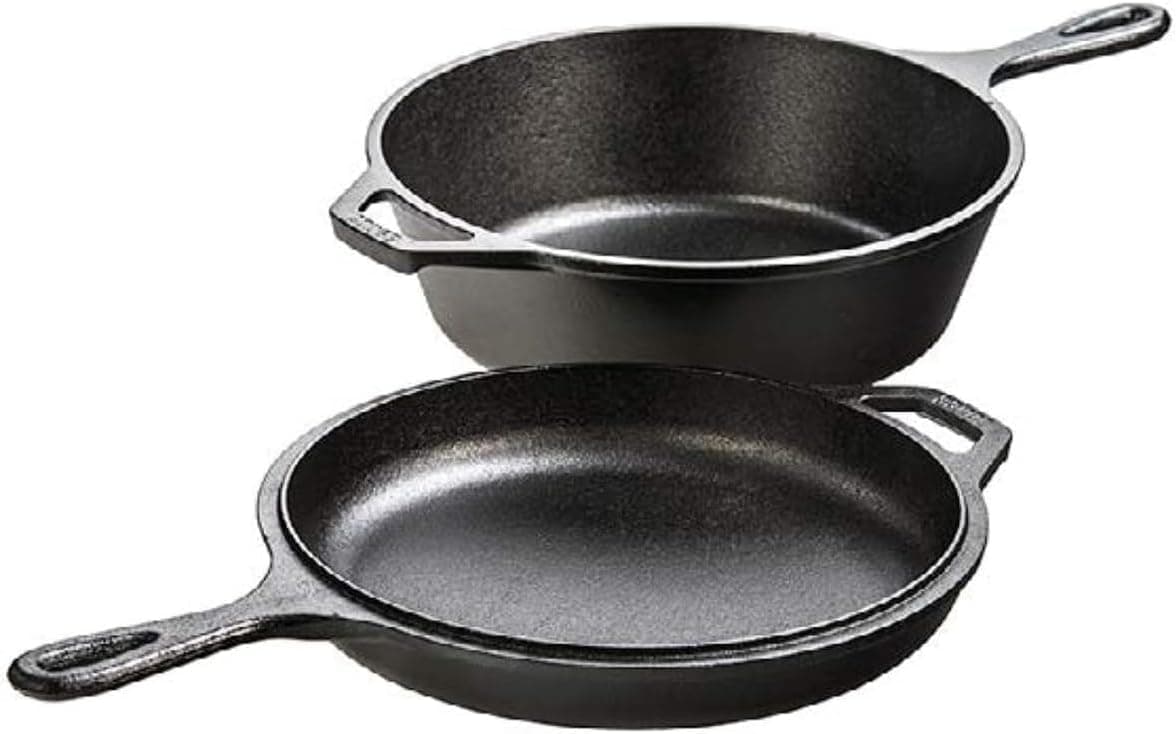
+ Combo design gives a deep pot plus a lid that doubles as a skillet
From our guide: Camp Kitchen Essentials for Car Campers
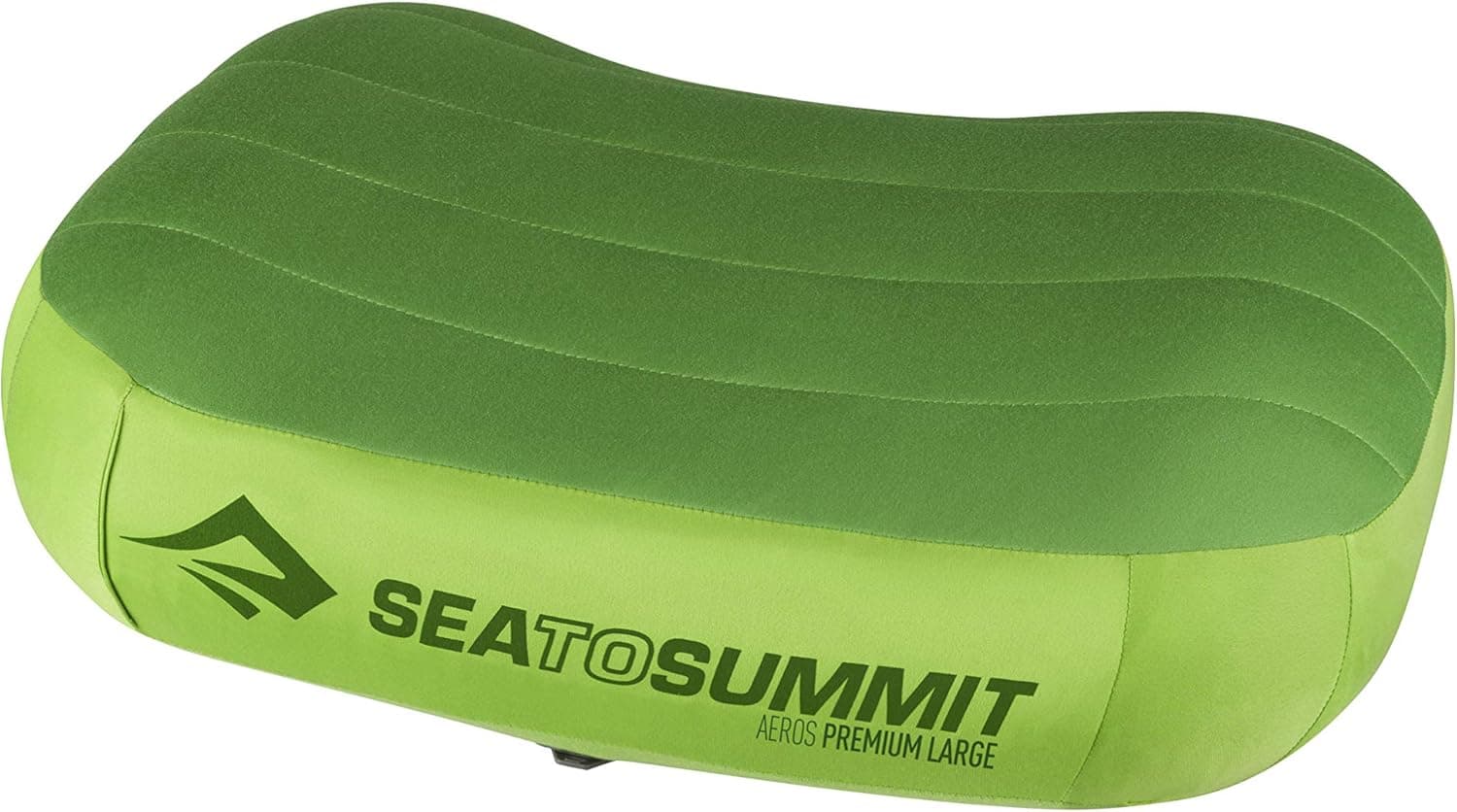
+ Premium soft face fabric feels closer to a home pillow than slick nylon
From our guide: Best Camping Pillows for Car Camping
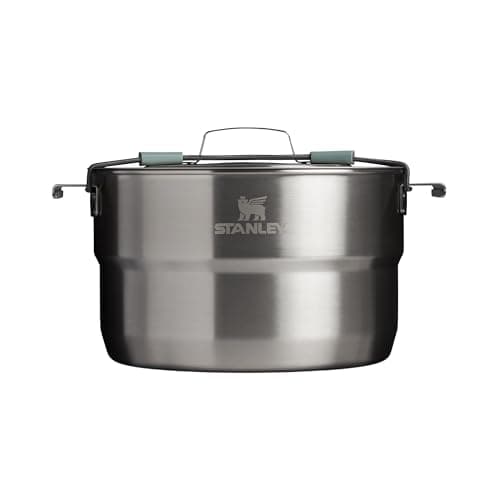
+ 18/8 food-grade stainless steel and BPA-free construction, per the listing
From our guide: Camp Kitchen Essentials for Car Campers
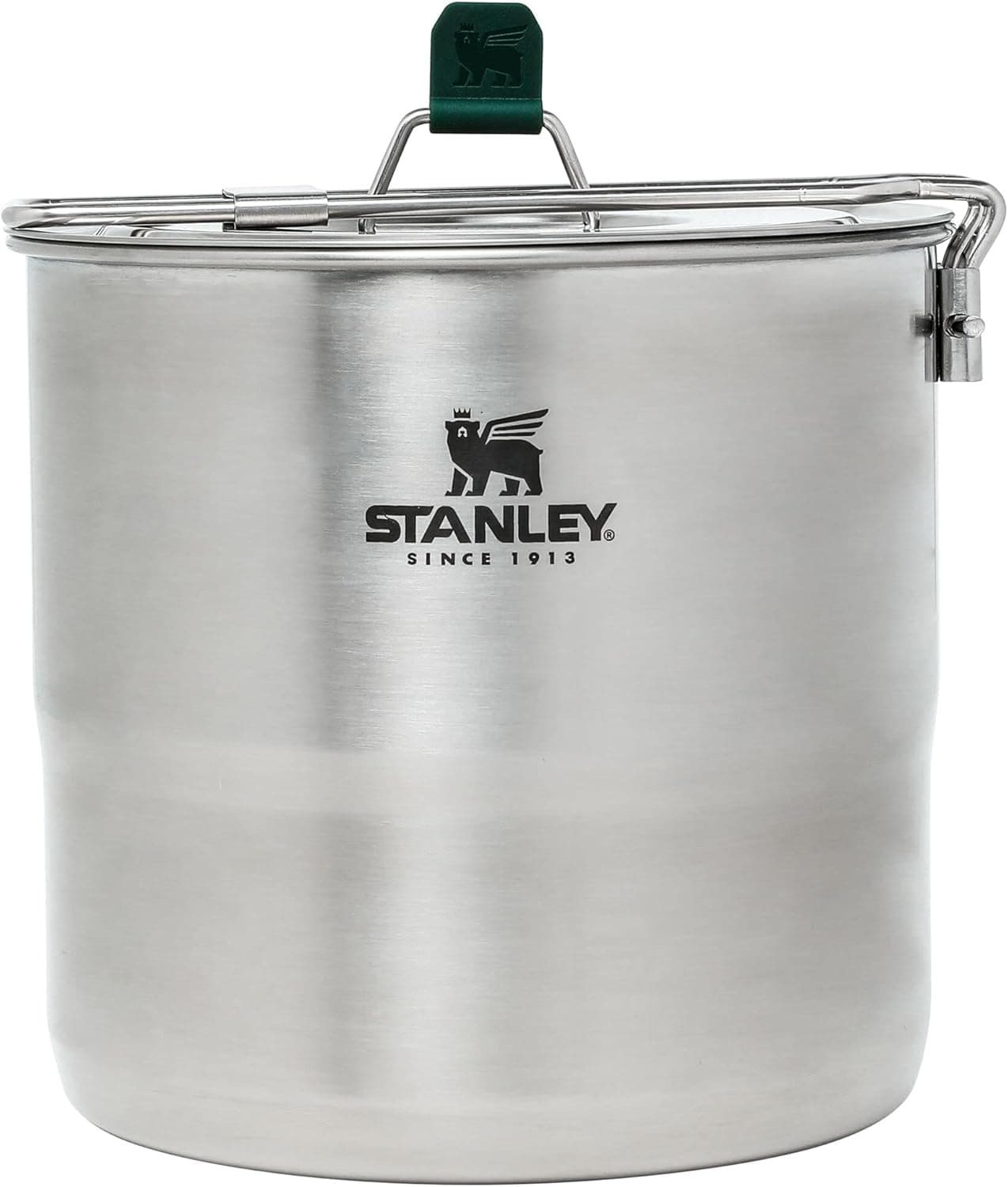
+ 4-person sizing matches a typical family camping trip
From our guide: Camp Kitchen Essentials for Car Campers
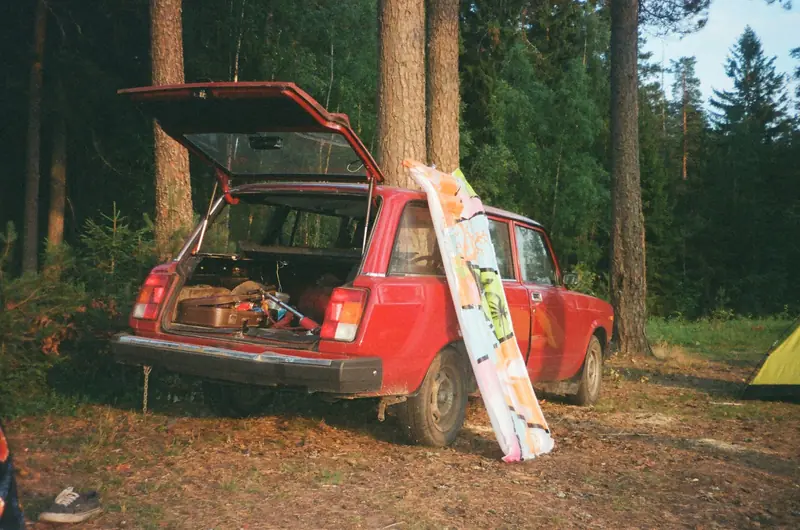
Start with sleep, since that's what car camping is about
Start with sleep, since it is what car camping is fundamentally about. You need an insulated sleeping surface such as a pad or mattress, a sleeping bag or blankets rated for the expected temperature, a pillow, and window covers for privacy and warmth. A sleep mask and earplugs are small additions that rescue a night in a bright or noisy spot. If nights will be cold, add a liner, an extra blanket, and a warm hat to the list.
Water and food deserve careful thought
Water and food form the next group and deserve careful thought because you cannot improvise them in the field. Carry more water than you think you need, budgeting for drinking, cooking, and cleanup, and bring a way to refill if you will be out more than a day or two. For food, pack a stove and fuel, a lighter or matches in a waterproof container, a pot and pan, a mug, a plate, utensils, a knife, a cutting surface, and a cooler with ice for perishables. Do not forget dish soap, a sponge, and a couple of trash bags.
Safety and repair items are easy to overlook
Safety and repair items are easy to overlook until you need them. A first aid kit, a headlamp with spare batteries, a fire extinguisher, and a basic tool kit belong in every setup. For the vehicle itself, check that you have a spare tire, a jack, jumper cables or a jump pack, and enough fuel to reach the next station with margin. A paper map or offline maps cover you when there is no signal, which is often exactly where good camping is.
Clothing should be packed in layers
Clothing should be packed in layers rather than by outfit. A warm base layer, an insulating mid layer, a waterproof shell, a hat, gloves, and sturdy shoes cover most conditions, and you adjust by adding or removing rather than changing entirely. Always pack one more warm layer than the forecast suggests, because being cold at night is miserable and unnecessary.
Comfort and hygiene items make it enjoyable
Comfort and hygiene items turn a survivable trip into an enjoyable one. A camp chair, a small table, and a source of light for the campsite make evenings pleasant. For hygiene, pack a trowel and toilet paper for backcountry needs, hand sanitizer, biodegradable wipes, a small towel, a toothbrush, and any personal medications. A dedicated bag for these keeps them findable in the dark.
Keep a short list of what people most often forget
Finally, keep a short list of the things people most often forget, and check it last before you drive off: phone charger and cable, sunglasses, sunscreen, a lighter, your reusable water bottle, and the specific food you planned tonight's dinner around. Reuse and refine your checklist after every trip, crossing off what you never touched and adding what you wished you had. Over a few trips it becomes a personal tool that fits exactly how you camp.
Frequently asked questions
What sleep gear is essential for car camping? An insulated sleeping surface, a sleeping bag or blankets rated for expected temperatures, a pillow, and window covers for privacy and warmth, with a sleep mask and earplugs as small but useful additions.
What safety items should every car camping trip include? A first aid kit, a headlamp with spare batteries, a fire extinguisher, a basic tool kit, plus vehicle items like a spare tire, jack, jumper cables, and offline maps for areas without signal.
How should clothing be packed for car camping? In layers rather than by outfit, a warm base layer, insulating mid layer, waterproof shell, hat, and gloves, adjusting by adding or removing rather than changing entirely, always packing one more warm layer than the forecast suggests.
How do you improve a car camping checklist over time? Reuse and refine it after every trip, crossing off what you never touched and adding what you wished you had, until it becomes a personal tool that fits exactly how you camp.
Popular right now
- Fall Car Camping: How to Plan and What to PackArticle
- Keeping Cool When Camping in Hot WeatherArticle
- Best Portable Camping Sinks for Car CampingBuying guide
- Tailgate tent explainedGlossary
- Safety Tips for Sleeping in Your CarArticle
- Best Camping Cookware SetsBuying guide
Based on the last 28 days of search and visitor data.