Bathroom and Hygiene on the Road
Published How we research
The bathroom question is the one most people are too embarrassed to ask, yet it is the single biggest source of anxiety for new car campers. The good news is that it is entirely manageable with a little planning, and once you have a system, it stops being something you think about. Your approach depends on where you camp, ranging from full facilities at a campground to complete self-sufficiency off-grid.
Products from this article
The highest-scoring picks from the buying guides this article links to. Scores are our editorial assessment, not customer ratings.
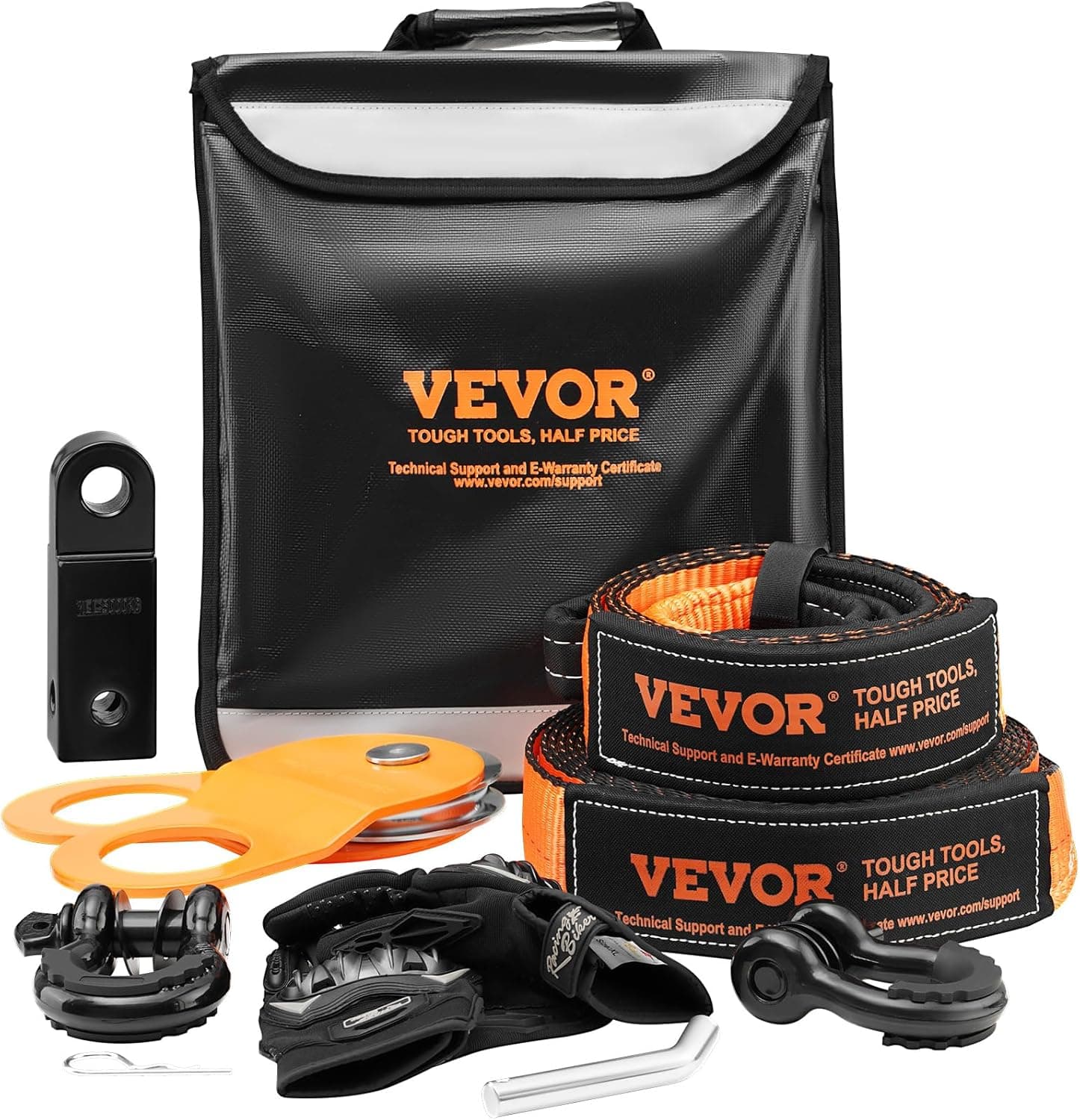
+ Tree saver protects trees and gives a solid winch anchor
From our guide: Best Off-Road Recovery Kits for Car Camping (2026)
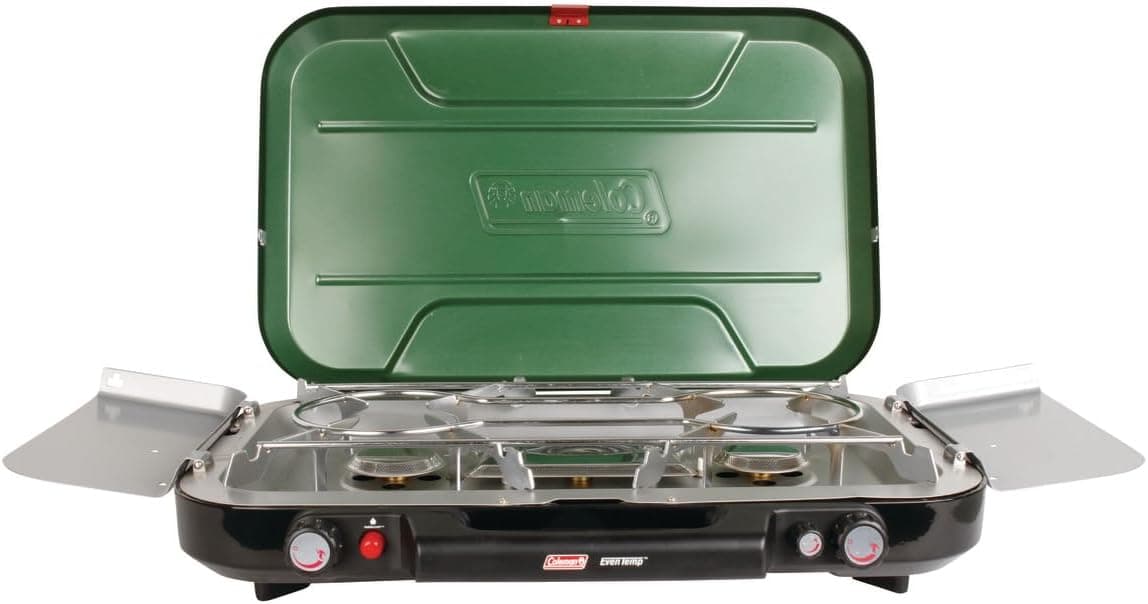
+ 3-burner layout cooks eggs, bacon and coffee at the same time
From our guide: Best 2-Burner Camp Stoves
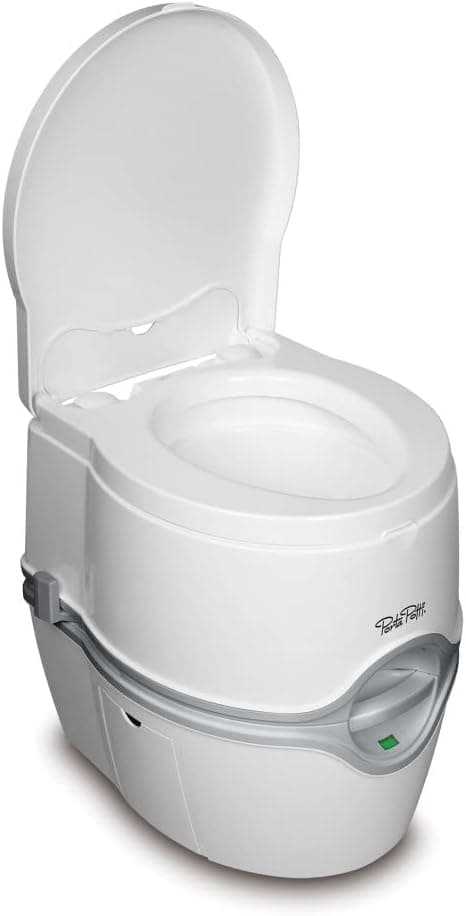
+ Flushing design and sealed tank control odors better than buckets
From our guide: Best Portable Camping Toilets and Showers
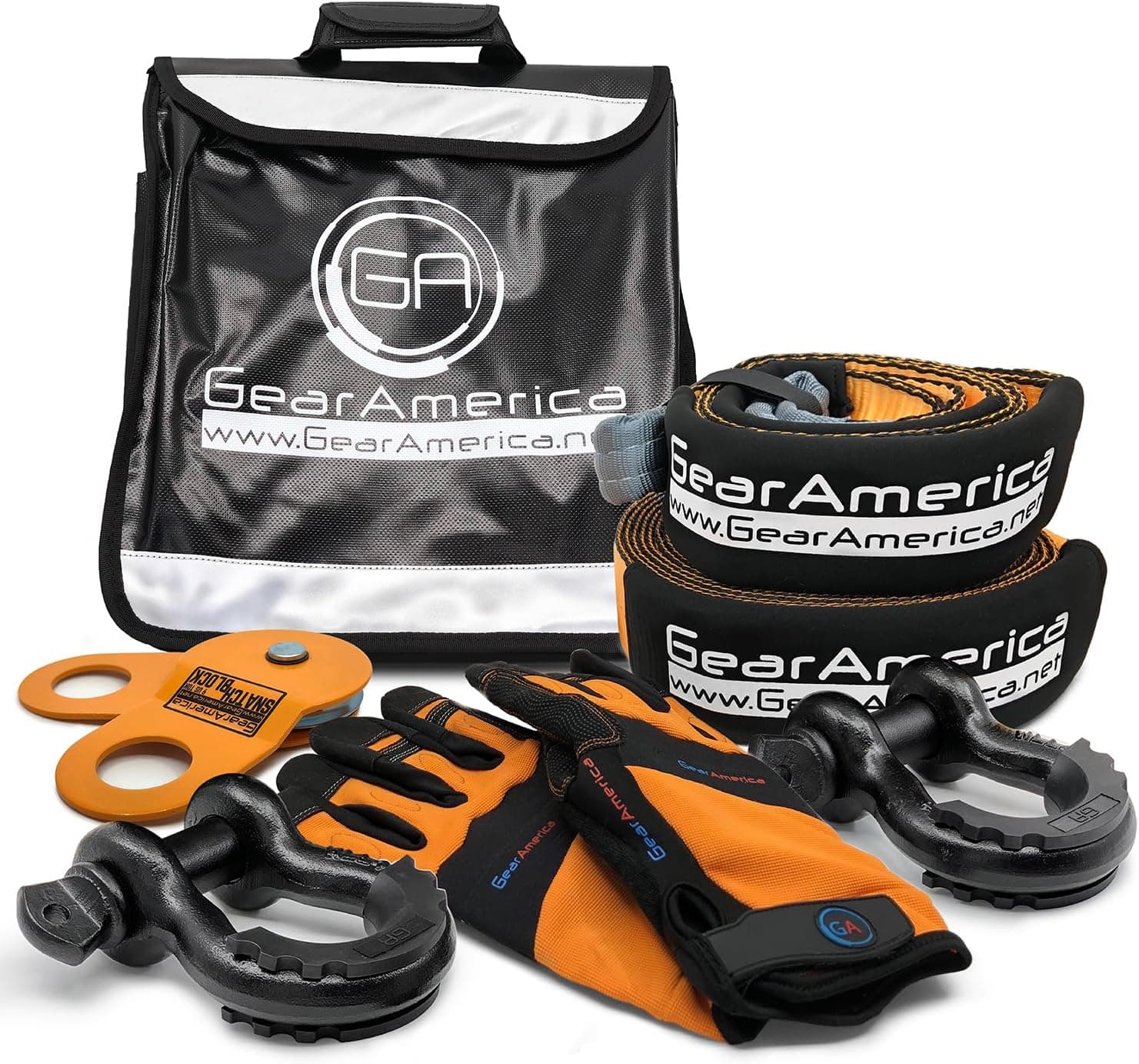
+ Snatch block pulley doubles winch pulling power and redirects lines
From our guide: Best Off-Road Recovery Kits for Car Camping (2026)
At developed campgrounds the problem largely solves itself, since bathrooms and sometimes showers are provided. The main adjustment is planning around them: choose a site not too far from the facilities, keep a headlamp and shoes ready for night trips, and carry your own toilet paper and hand sanitizer in case supplies run low. This is why campgrounds are the easiest place to start, as they remove the hardest logistical hurdle entirely.
Off-grid, you become responsible for handling waste properly, and doing it right matters for both the environment and your access to these places. For urination, walk well away from water sources, trails, and camp. For solid waste, the standard backcountry method is to dig a cathole six to eight inches deep and at least sixty meters from any water, do your business, and bury it completely, packing out the toilet paper in a sealed bag. A lightweight trowel is the one essential tool for this, and it belongs in every off-grid kit.
For those who want more comfort or camp where burying is not allowed, a portable toilet is a worthwhile investment. Options range from a simple bucket with a seat and waste bags containing a gelling agent, up to self-contained cassette toilets that seal odor away and empty at proper dump stations. These are especially valuable in fragile or crowded areas, in winter when the ground is frozen, or for anyone who simply prefers not to dig. A privacy tent or a well-covered vehicle gives you a private space to use it.
Staying clean without a shower is easier than it sounds. Biodegradable wipes give you a full-body wipe-down that leaves you feeling refreshed, and a small pump bottle of water lets you rinse hands and face. For a real wash, a solar shower bag warmed in the sun provides genuinely hot water, and a collapsible basin lets you wash up efficiently with minimal water. Always use biodegradable soap and do your washing well away from any lake or stream, since even biodegradable soap harms water sources directly.
Dental and personal hygiene keep you feeling human on longer trips. Brush your teeth as normal but spit into a small hole in the dirt away from water, rather than into a stream. Keep a dedicated hygiene kit with toothbrush, toothpaste, wipes, sanitizer, a small towel, and any personal items in one bag so it is always findable. A daily rhythm of washing your face and hands, brushing your teeth, and changing into clean sleep clothes does wonders for morale even when a full shower is days away.
Hand hygiene deserves special attention because illness on the road is genuinely miserable. Wash or sanitize your hands before every meal and after every bathroom trip without exception, since stomach bugs spread fast in close quarters and far from help. Carry more sanitizer than you think you need. With a trowel, some wipes, a way to wash your hands, and a clear routine, hygiene on the road becomes a simple habit rather than the daunting problem it first appears to be.
Popular right now
- Fall Car Camping: How to Plan and What to PackArticle
- Keeping Cool When Camping in Hot WeatherArticle
- Best Portable Camping Sinks for Car CampingBuying guide
- Tailgate tent explainedGlossary
- Safety Tips for Sleeping in Your CarArticle
- Best Camping Cookware SetsBuying guide
Based on the last 28 days of search and visitor data.