Car Camping With Your Dog
Published How we research
Decide the dog's sleeping spot in advance and bring a familiar blanket for a scent-marked spot that feels safe. Temperature management is the most serious issue: never leave a dog in a closed hot car even briefly, and use a blanket or coat for short-haired dogs in cold weather. Bring familiar food and extra water, keeping the feeding schedule close to home to settle a nervous dog. Use a seatbelt harness or crate while driving and a long lead at camp. Practice good etiquette, leashed where required, cleaned up after, since a badly behaved dog affects the welcome all dogs receive. Read your dog and adjust plans for their wellbeing. Bringing your dog along transforms a car camping trip, giving you a companion for the trail and a warm body on cold nights, but it also adds a layer of planning you cannot skip. A dog cannot tell you it is too hot, too cramped, or thirsty, so the responsibility for their comfort and safety sits entirely with you. Done thoughtfully, camping with a dog is deeply rewarding, and most dogs take to it naturally once they understand the routine.
Products from this article
The highest-scoring picks from the buying guides this article links to. Scores are our editorial assessment, not customer ratings.
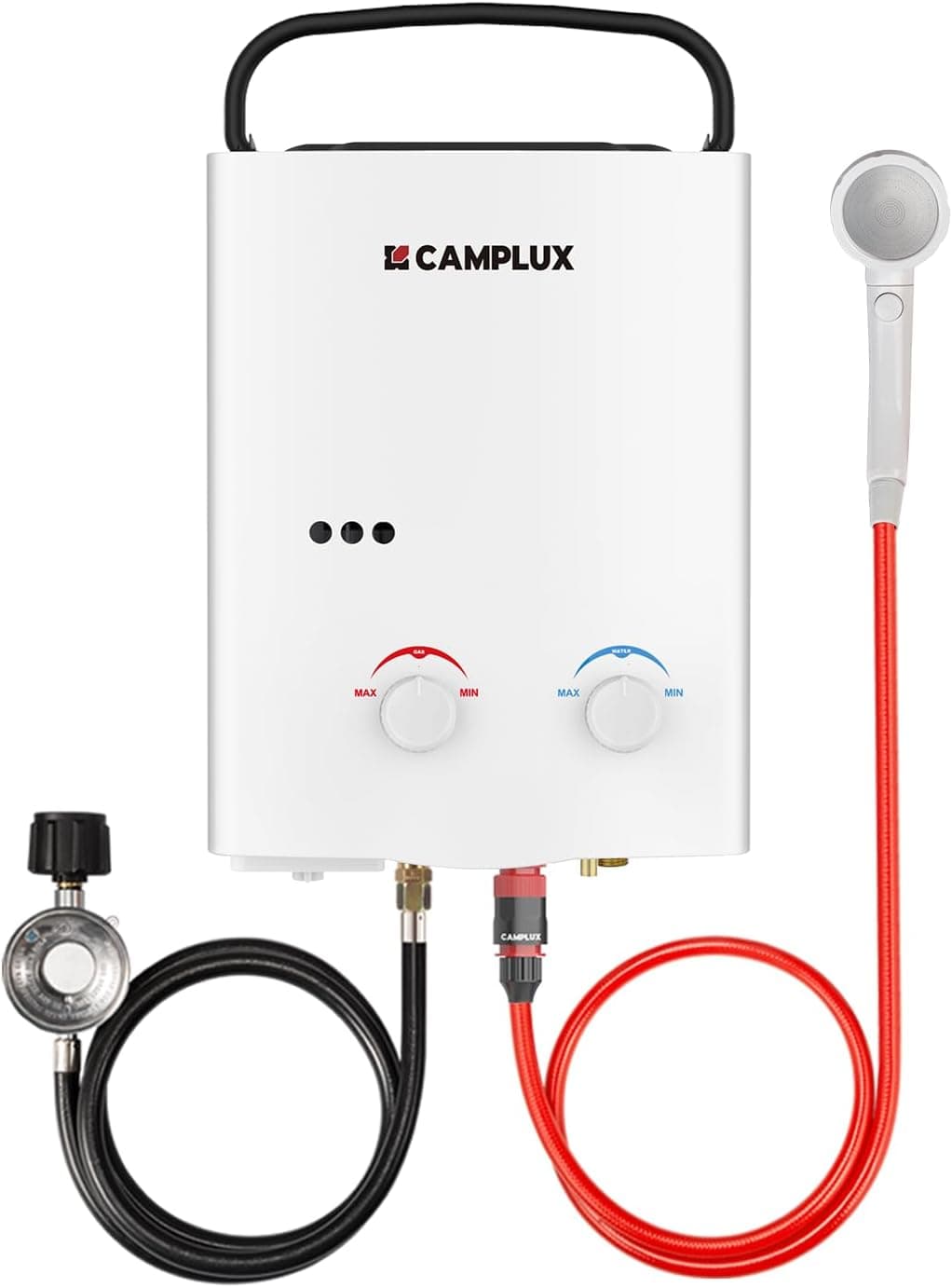
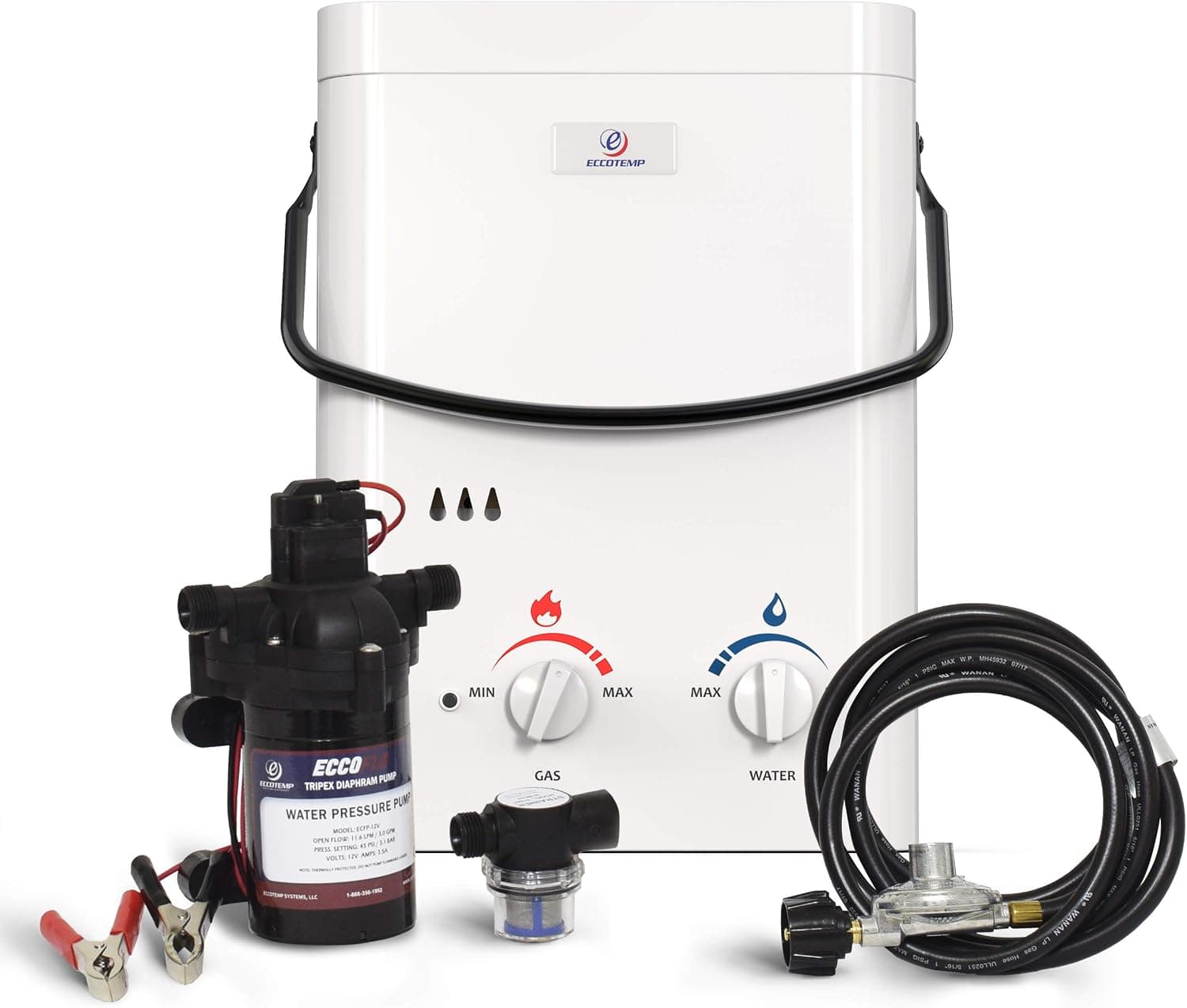
+ 12V pump draws water from a bucket or jug, no tap needed
From our guide: Best Portable Camping Water Heaters for Car Camping (2026)
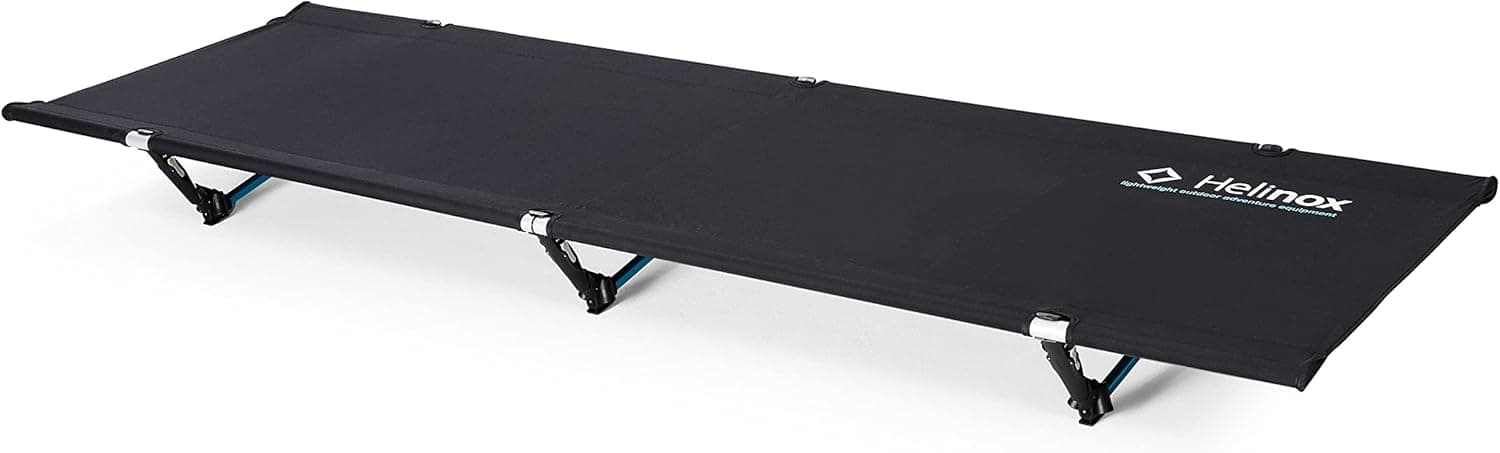
+ Convertible legs let you choose tall or low height
From our guide: Best Camping Cots
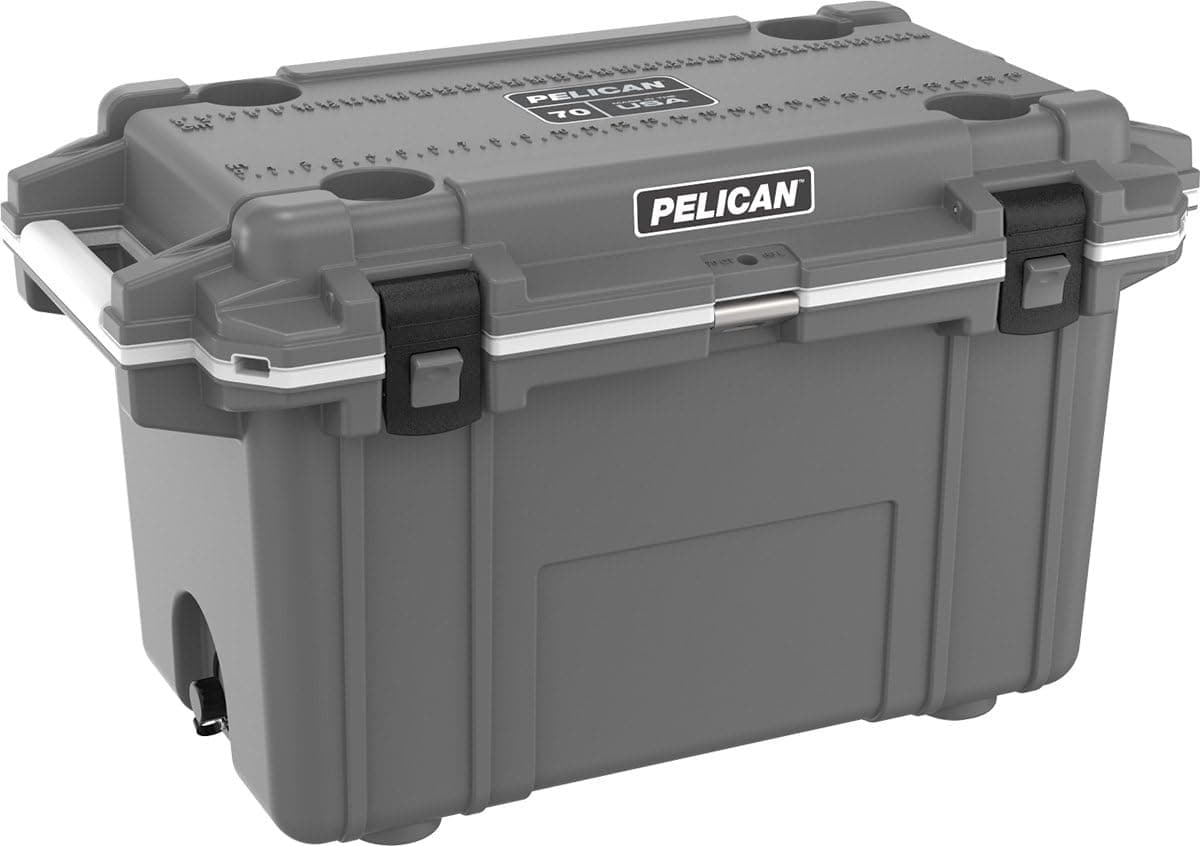
+ 70 QT capacity feeds a group for several days
From our guide: Best Camping Coolers for Car Camping
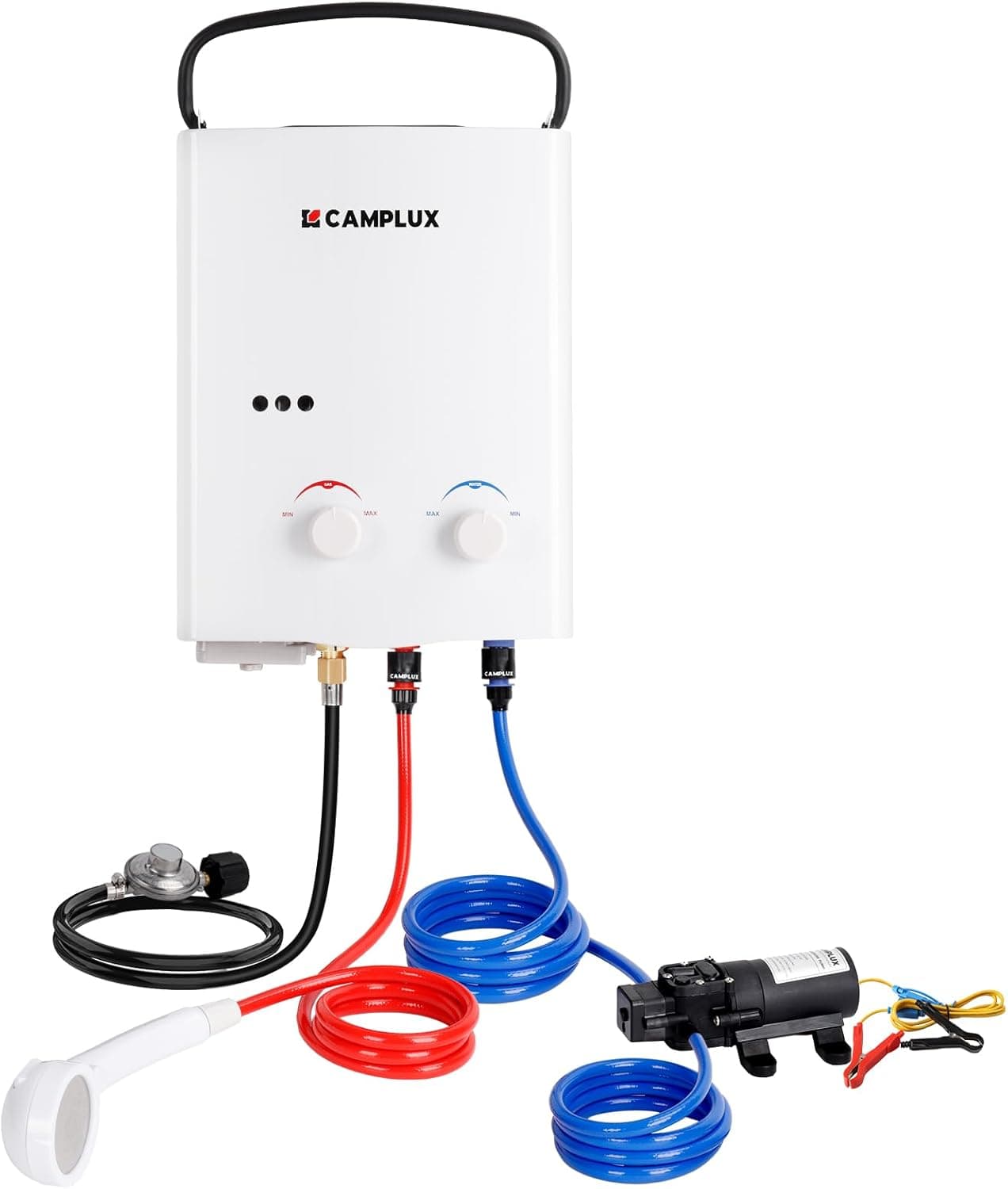
+ Included 12V pump and strainer let you shower from a water jug
From our guide: Best Portable Camping Water Heaters for Car Camping (2026)
Space is the first consideration
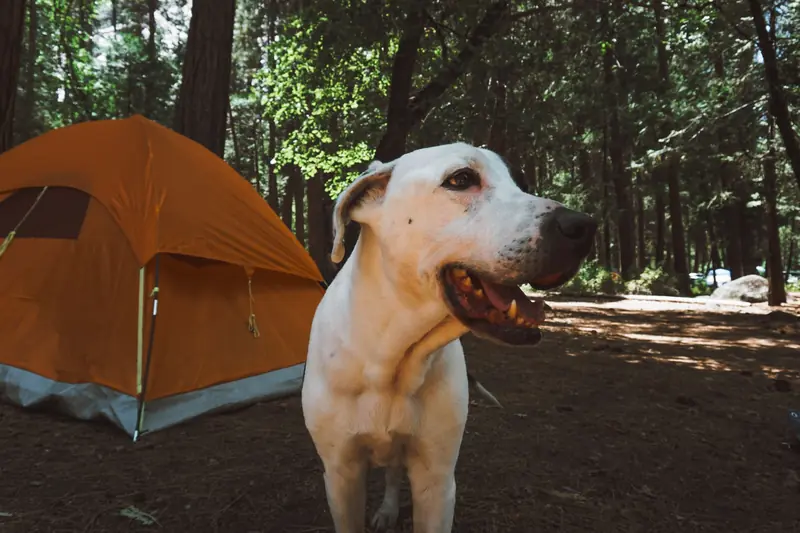
Space is the first consideration, because you are now sharing an already-small sleeping area. Decide in advance where the dog will sleep, whether that is a dedicated section of the cargo area, a bed in the footwell, or curled up beside you, and set it up so both of you have room to stretch out. A familiar blanket or bed from home gives the dog a scent-marked spot that feels safe and helps them settle in an unfamiliar environment. Practicing the arrangement in the driveway before a real trip helps the dog learn the new sleeping situation without the added stress of a strange location.
Temperature management is the most serious safety issue
Temperature management is the most serious safety issue, and it cuts both ways. A parked car heats up with terrifying speed in the sun, and dogs, who cannot sweat, are extremely vulnerable to heatstroke, so never leave a dog in a closed vehicle in warm weather even briefly. On cold nights, short-haired and small dogs lose heat quickly and benefit from a blanket to burrow into or even a dog coat. Your body heat helps, which is one reason many people let the dog share the sleeping area when it is cold.
Food and water need the same planning, plus more
Food and water need the same planning you give yourself, plus a little more. Bring enough of the dog's regular food to avoid stomach upset from a sudden change, pack a collapsible bowl, and carry extra water, since dogs drink more when active and hot. Keep the feeding schedule as close to home as you can, because routine settles a nervous dog. Store dog food sealed and secured, both to keep it fresh and to avoid attracting wildlife to your camp.
Safety around camp and on the road
Safety around camp and on the road keeps a good trip from going wrong. Use a seatbelt harness or a secured crate while driving, since an unrestrained dog is dangerous in a sudden stop and can bolt from an opened door. At camp, a long lead or tie-out lets the dog move around without wandering off into wildlife, roads, or other campers, and it satisfies leash rules that most campgrounds enforce. Keep vaccinations current, carry a pet first aid kit, and know the location of the nearest veterinarian along your route.
Etiquette matters for every dog owner
Etiquette matters because a badly behaved dog affects everyone around you and threatens the welcome that dogs receive at campgrounds. Keep your dog leashed where required, clean up after it every time, and manage barking so you are not disturbing neighbors or wildlife. Not every trail and campground allows dogs, so check the rules before you go, particularly in national parks, where restrictions are often strict. A well-managed dog is an ambassador that keeps these places open to other dog owners.
Read your dog and adjust
Finally, read your dog and adjust. Some dogs love the adventure immediately, while others need a few trips to relax into it, and a few are genuinely happier at home. Watch for signs of stress, exhaustion, or overheating, and be willing to cut a day short or change plans for their wellbeing. When you get the balance right, a dog becomes the best car camping companion there is, greeting each new place with an enthusiasm that is hard not to share.
Frequently asked questions
Is it safe to leave a dog in a parked car while camping? No, never leave a dog in a closed vehicle in warm weather even briefly, since parked cars heat up with terrifying speed and dogs cannot sweat, making them extremely vulnerable to heatstroke.
How should a dog be secured while driving during a camping trip? Use a seatbelt harness or a secured crate, since an unrestrained dog is dangerous in a sudden stop and can bolt from an opened door.
What should I pack for a dog on a car camping trip? Enough of the dog's regular food to avoid stomach upset, a collapsible bowl, extra water, a familiar blanket or bed, a pet first aid kit, and proof of current vaccinations.
How do I keep a dog from wandering off at a campsite? Use a long lead or tie-out that lets the dog move around without wandering into wildlife, roads, or other campers, and check leash rules, which most campgrounds enforce.
Popular right now
- Fall Car Camping: How to Plan and What to PackArticle
- Keeping Cool When Camping in Hot WeatherArticle
- Best Portable Camping Sinks for Car CampingBuying guide
- Tailgate tent explainedGlossary
- Safety Tips for Sleeping in Your CarArticle
- Best Camping Cookware SetsBuying guide
Based on the last 28 days of search and visitor data.