Cooking Simple Meals at Camp
Published How we research
Cooking at camp does not need to be elaborate to be satisfying, and the campers who eat best are usually the ones who keep it simple. The goal is a warm, filling meal with minimal gear, minimal cleanup, and minimal fuss after a long day. Once you accept that a single pot and a few good ingredients can carry an entire trip, camp cooking stops being a chore and becomes one of the best parts of the day.
Products from this article
The highest-scoring picks from the buying guides this article links to. Scores are our editorial assessment, not customer ratings.
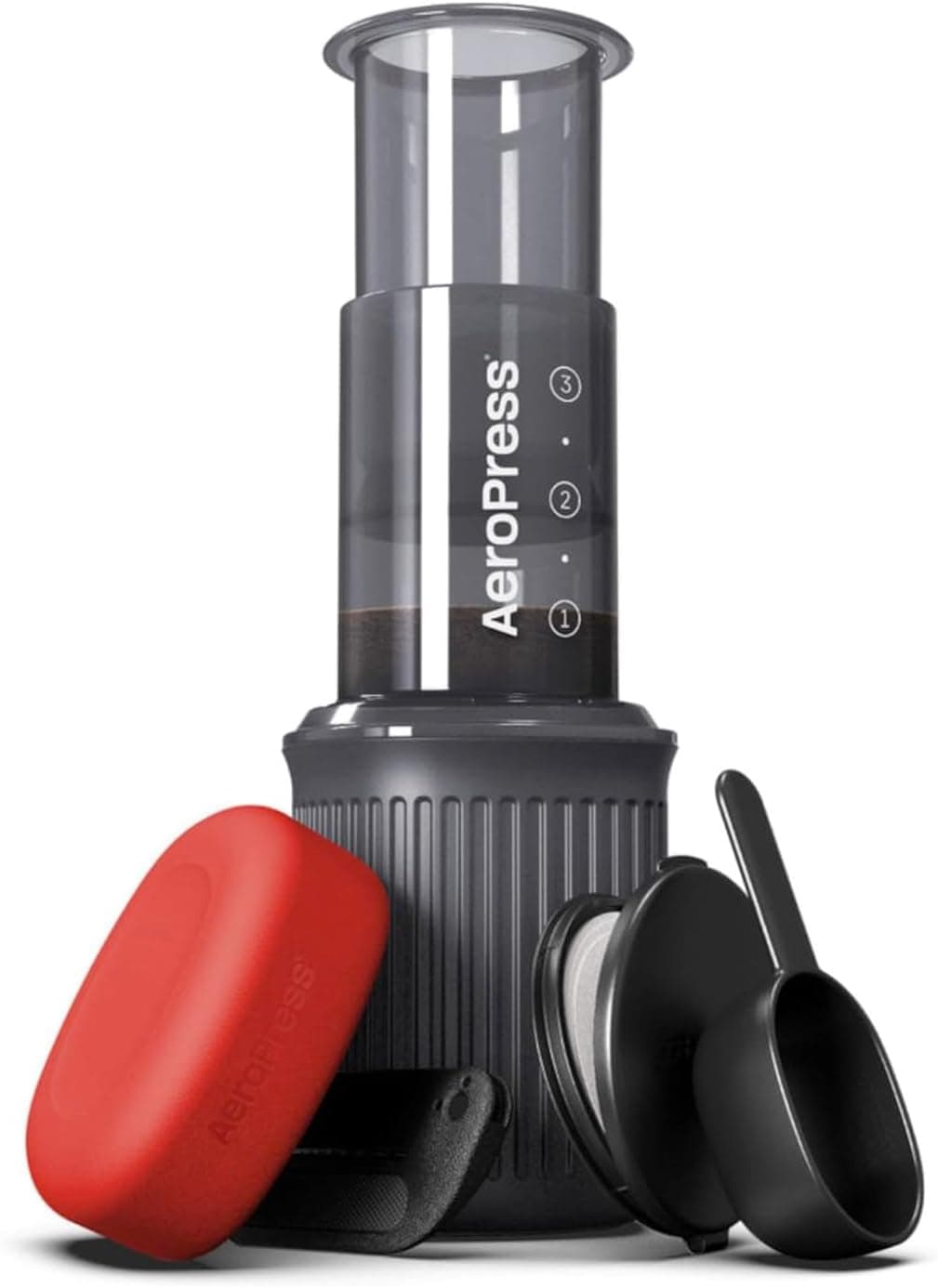
+ Everything packs inside its own mug for travel
From our guide: Best Camping Coffee Gear for Car Camping
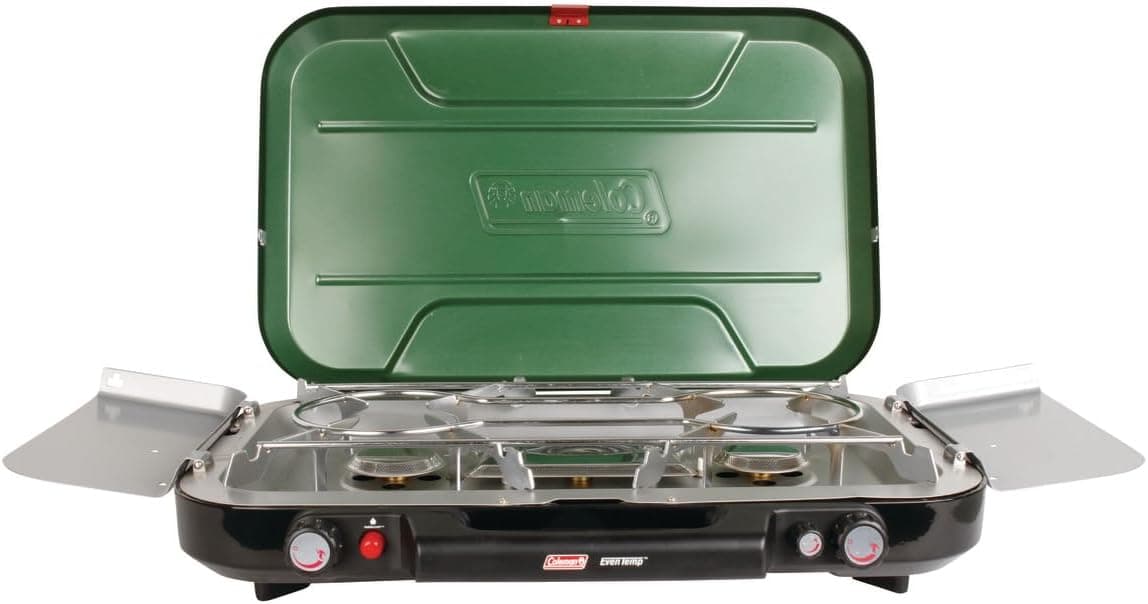
+ 3-burner layout cooks eggs, bacon and coffee at the same time
From our guide: Best 2-Burner Camp Stoves
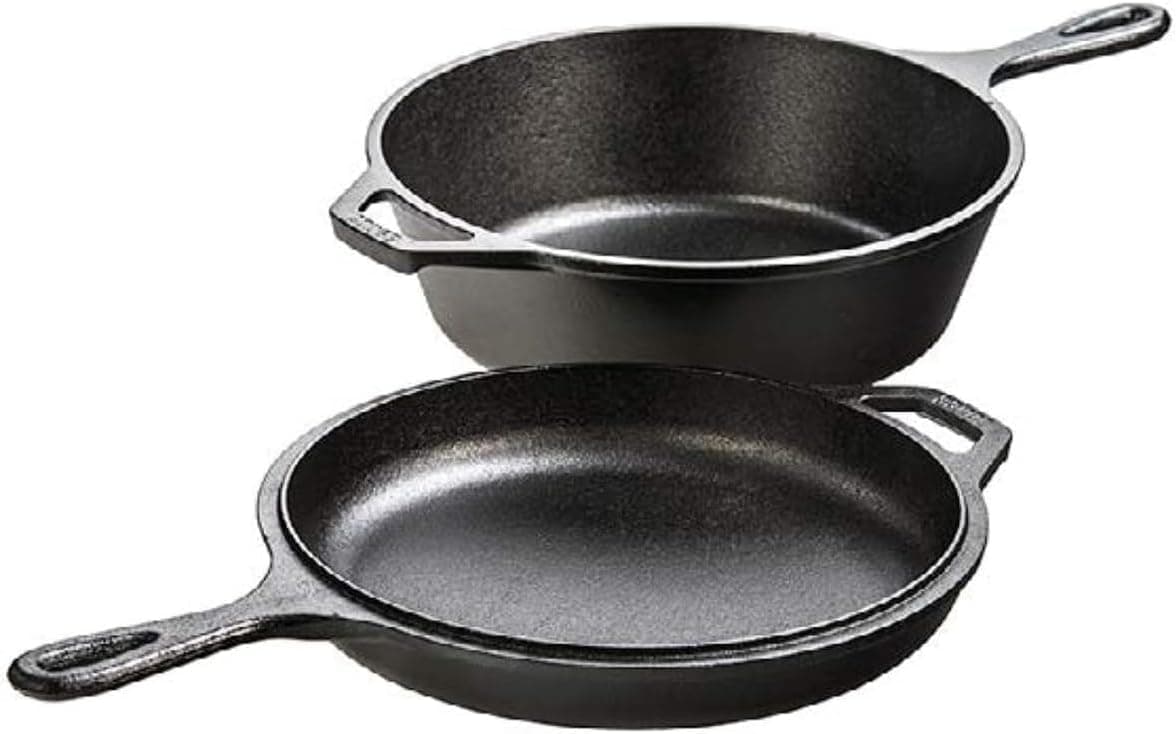
+ Combo design gives a deep pot plus a lid that doubles as a skillet
From our guide: Camp Kitchen Essentials for Car Campers
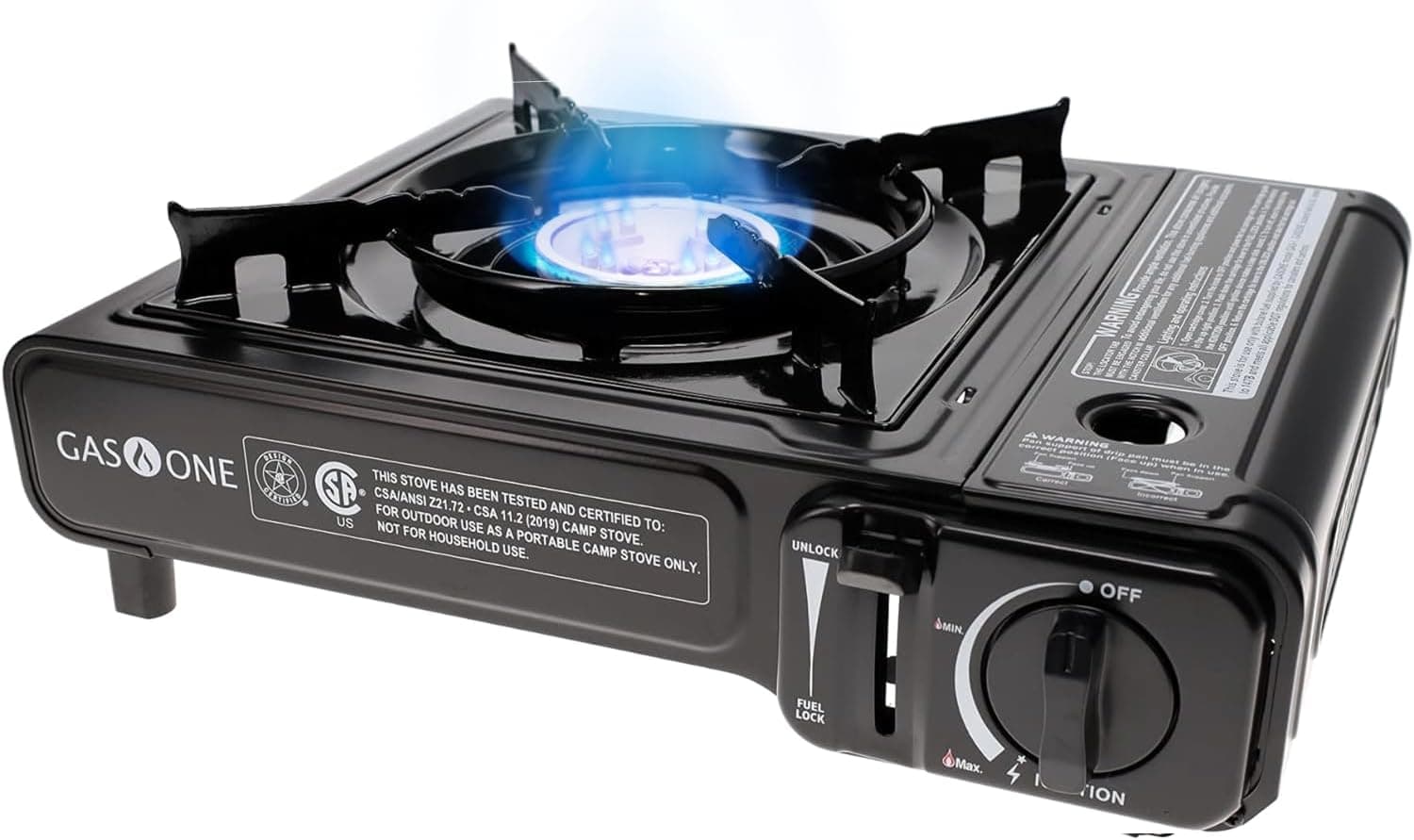
+ 9000 BTU output boils water and cooks meals quickly
From our guide: Best 2-Burner Camp Stoves
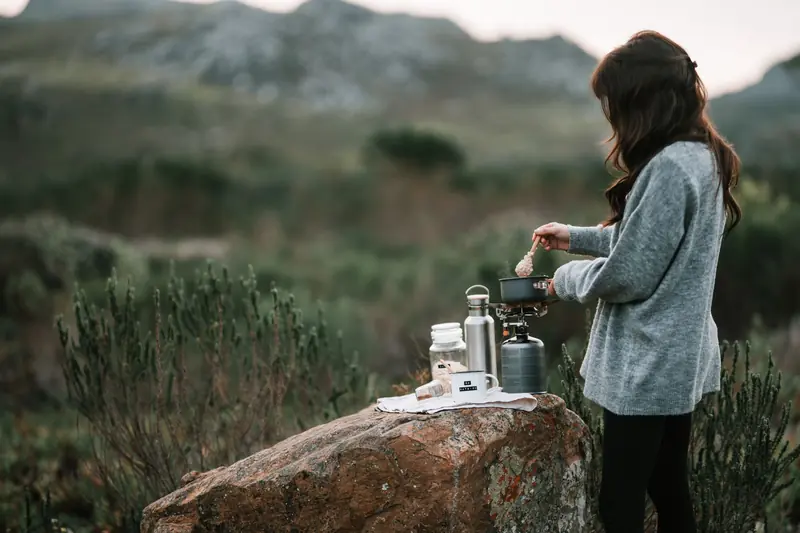
Start with the gear, because less is genuinely more here. A single-burner stove, one pot, one pan, a sharp knife, a cutting board, a spatula, and a mug cover nearly everything you will want to make. A stove with an adjustable flame is worth seeking out because simmering is where most camp meals succeed or fail. Bring a lighter and a backup, and keep your fuel canister topped up, since running out mid-meal is a classic and avoidable frustration.
Prep at home does more for camp cooking than any gadget. Chop onions, peppers, and garlic before you leave and store them in sealed containers, pre-mix spice blends into a small jar, and portion out rice or pasta into bags. Marinate meat in advance so it doubles as both flavor and safe cold storage. When the hard work is done in your kitchen, dinner at camp becomes a matter of heating and combining rather than a full cooking project in the dark.
One-pot meals are the backbone of easy camp cooking. Pasta with a jar sauce and some pre-cooked sausage, a pot of chili from canned beans and browned meat, or a rice dish with vegetables and eggs all come together in one vessel with one cleanup. The formula is reliable: a starch, a protein, a vegetable, and a sauce or spice to tie it together. Learn three or four of these and you can rotate them for a whole trip without boredom.
Breakfast and lunch reward keeping it even simpler. Instant oats with dried fruit and nuts, or eggs scrambled with pre-chopped vegetables, start the day without much effort. Lunch is often best as a no-cook affair of bread, cheese, cured meat, and fruit, which saves your fuel and time for when you actually want a hot meal. No-cook meals also shine on travel days when you are moving between spots and do not want to unpack the kitchen.
Cleanup is easier to plan than to fix after the fact. Wipe pots with a paper towel before washing to cut down on greasy water, heat a little water to loosen stuck food, and use biodegradable soap well away from any water source. Cooking one-pot meals means one pot to wash, which is the real reason experienced campers favor them. Pack out food scraps and grease rather than dumping them, both to protect the site and to avoid attracting animals.
Above all, match your ambition to your energy. On the first night, when you are tired from driving and setting up, cook something you could make half-asleep. Save the more involved meals for a relaxed morning or a layover day when cooking is the entertainment rather than an obstacle between you and sleep. A hot, simple meal eaten outside as the light fades is one of the quiet pleasures that keeps people coming back to car camping.
Popular right now
- Fall Car Camping: How to Plan and What to PackArticle
- Keeping Cool When Camping in Hot WeatherArticle
- Best Portable Camping Sinks for Car CampingBuying guide
- Tailgate tent explainedGlossary
- Safety Tips for Sleeping in Your CarArticle
- Best Camping Cookware SetsBuying guide
Based on the last 28 days of search and visitor data.