Finding Legal Places to Car Camp
Published How we research
One of the most common questions from new car campers is also the most important: where am I actually allowed to sleep? The answer varies enormously by location, and getting it wrong can mean a middle-of-the-night knock on the window, a fine, or being told to move on when you are least prepared to. Learning how to find legal, welcoming places to park is a skill that pays off on every trip.
Products from this article
The highest-scoring picks from the buying guides this article links to. Scores are our editorial assessment, not customer ratings.
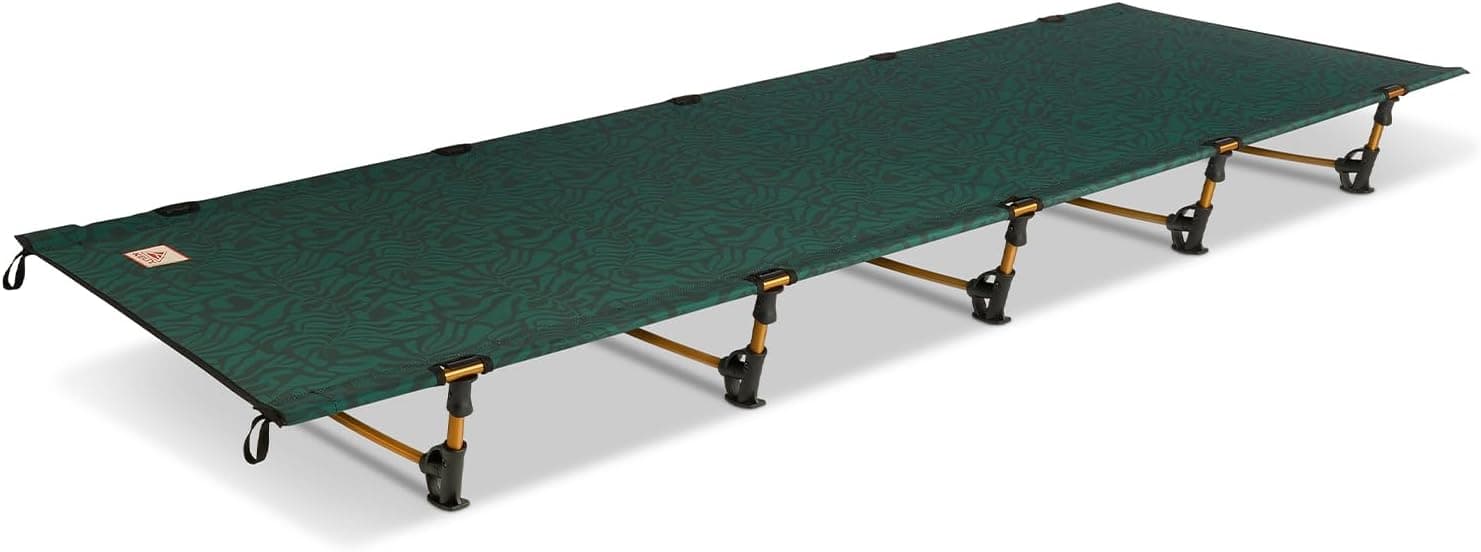
+ Convertible legs let you choose tall or low height
From our guide: Best Camping Cots
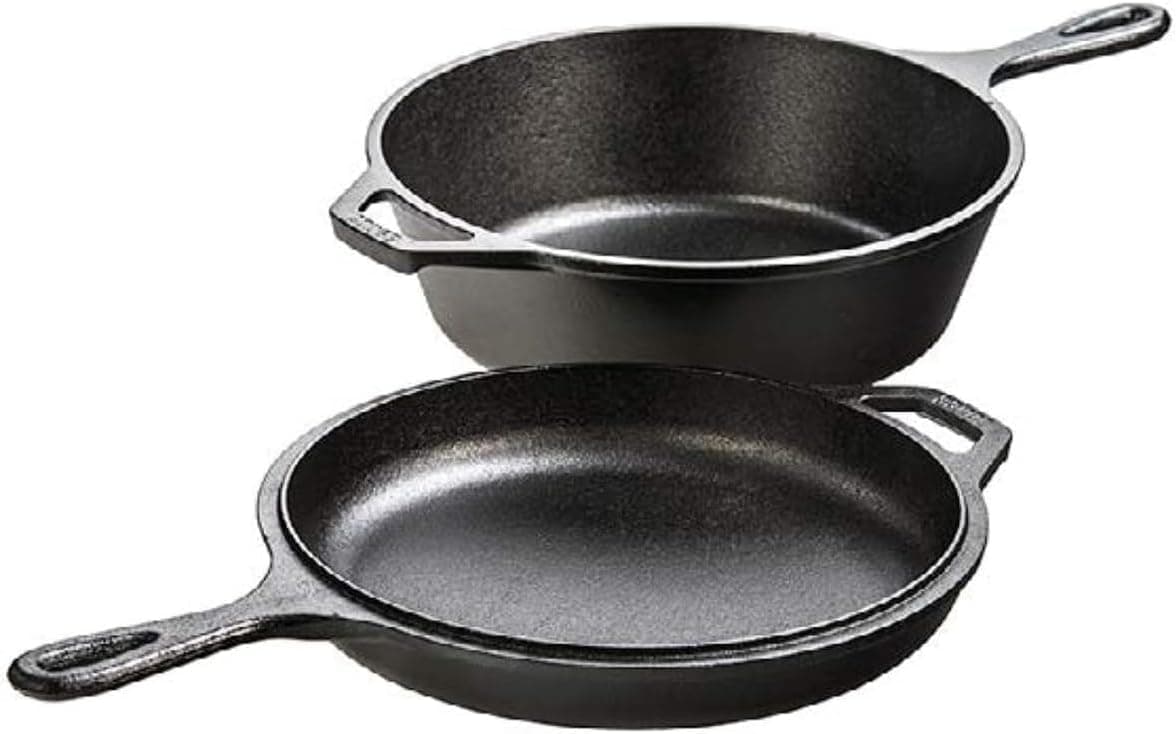
+ Combo design gives a deep pot plus a lid that doubles as a skillet
From our guide: Best Camping Utensils and Cook Sets
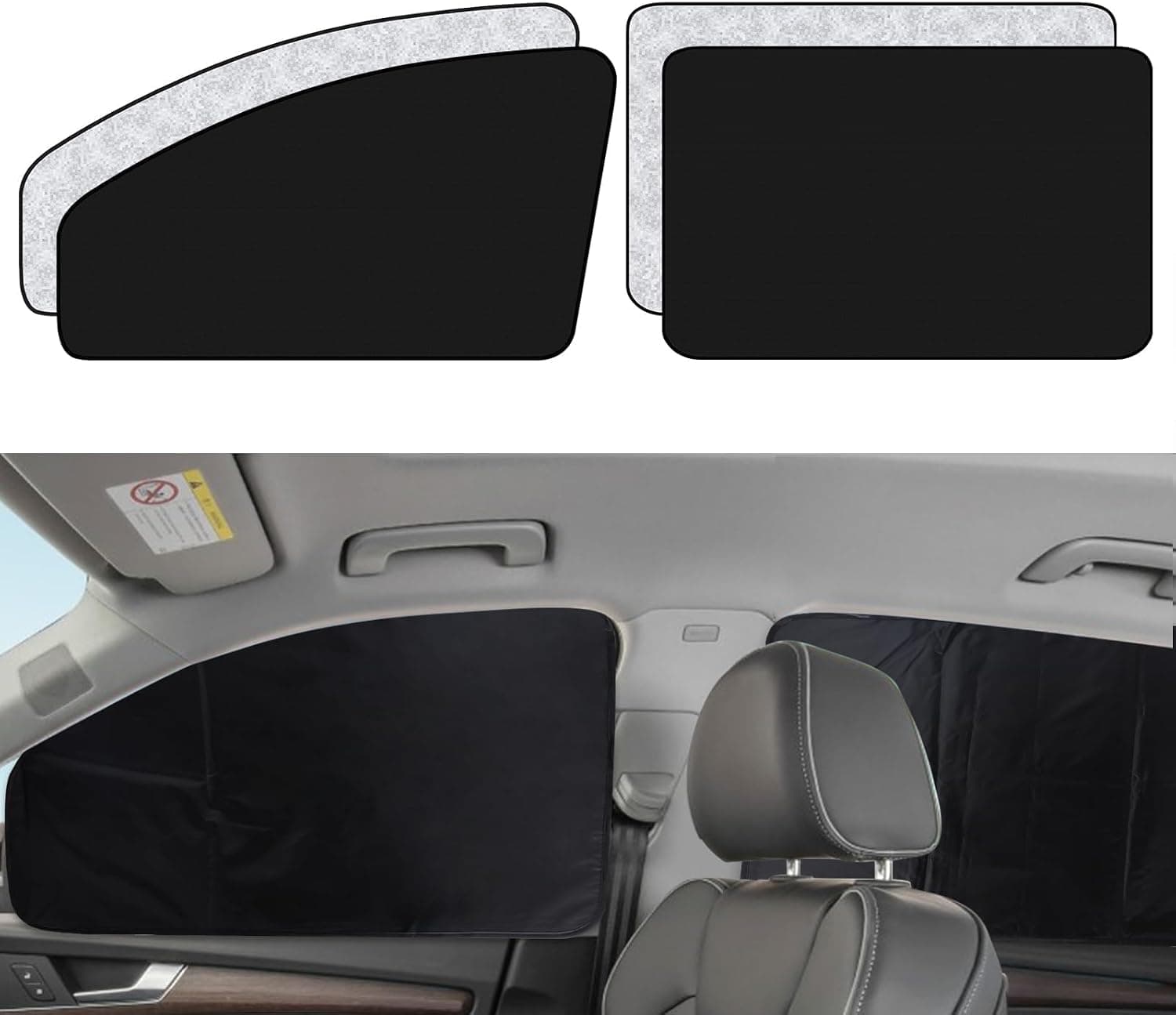
+ Magnetic frames attach and remove in seconds with no suction cups
From our guide: Best Car Window Covers for Camping Privacy
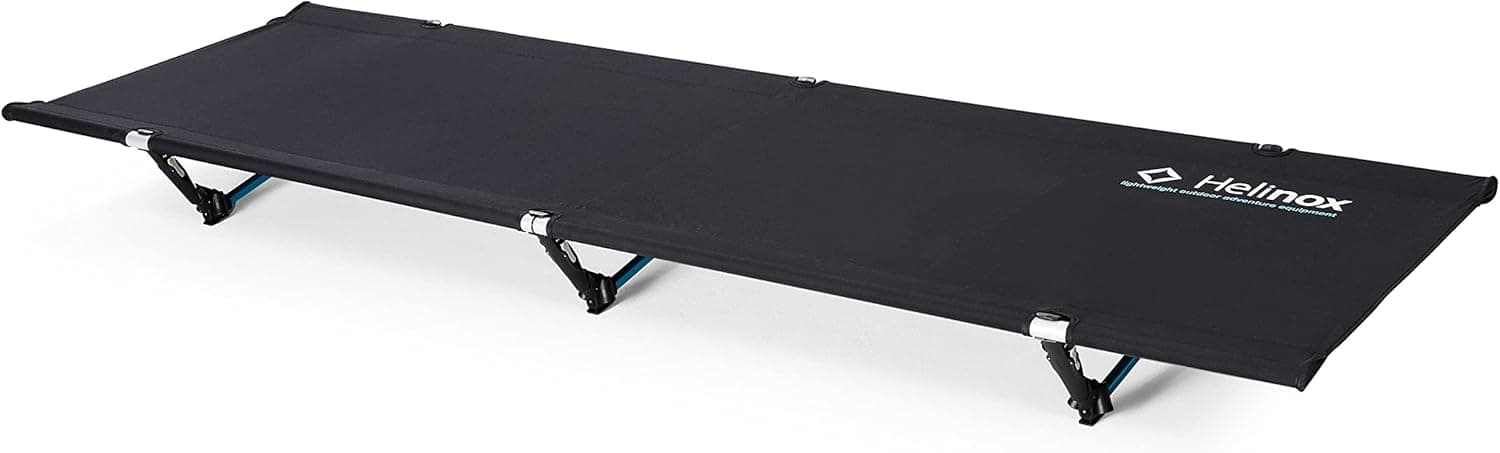
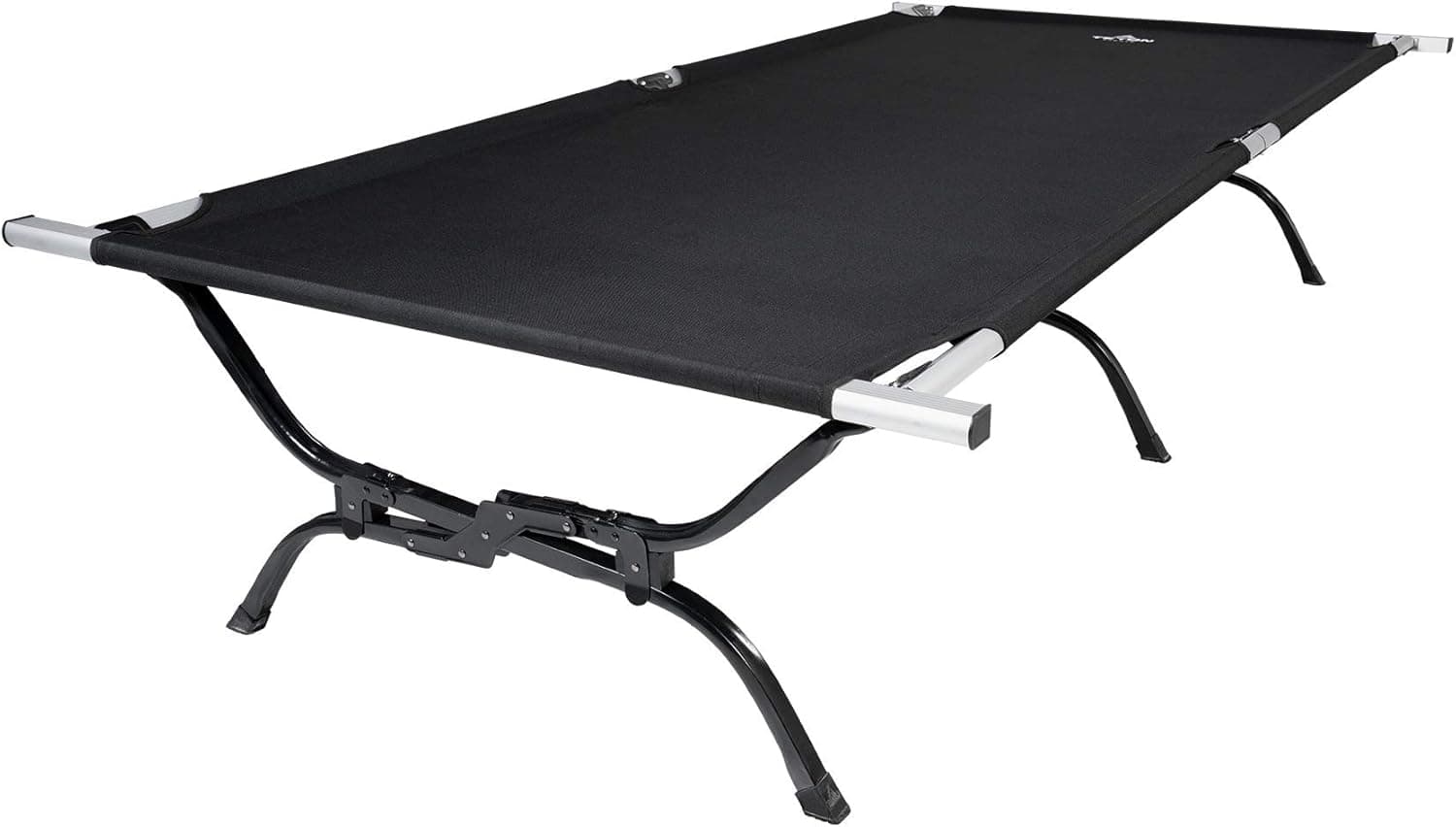
+ XXL size gives big and tall campers plenty of room
From our guide: Best Camping Cots
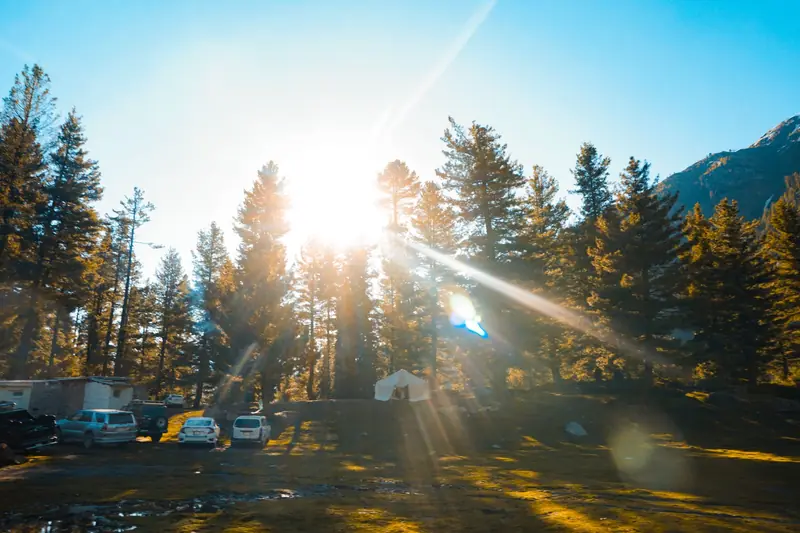
Public land is the backbone of free and legal car camping in many countries. In the United States, land managed by the Bureau of Land Management and many national forests allows dispersed camping, meaning you can camp outside developed campgrounds for free, usually with a stay limit of around two weeks. These areas are vast, quiet, and legal, but they come with no facilities, so you need to be self-sufficient. Always check the specific area's rules, because some sections are closed to camping to protect habitat or during fire season.
Developed campgrounds are the simplest legal option and the best choice for beginners. Public and private campgrounds offer a marked site, usually a bathroom, and often water and picnic tables, all for a modest fee. They remove the uncertainty of whether you are allowed to be there, which is worth the cost, especially on a first trip or in an unfamiliar area. Reservation systems let you lock in a spot in advance during busy seasons.
Cities and towns are the trickiest ground because rules against sleeping in vehicles are common and vary block by block. Some municipalities ban overnight parking entirely, others allow it on certain streets, and many businesses have their own policies. Some large retail stores and travel centers permit overnight parking in their lots as a courtesy, but this is never guaranteed, so ask a manager rather than assume. Rest areas along highways often allow short overnight stops but usually prohibit extended camping.
Research before you arrive rather than hoping to find something after dark. Apps and websites built for car campers and van dwellers crowdsource information on legal spots, reviews, and rules, and they are invaluable for planning. Official land agency websites and ranger stations give authoritative answers on public land rules and closures. A quick call to a local ranger district or visitor center can save you hours of driving and uncertainty.
When you find a spot, read the signs carefully and respect posted rules, since a single no-camping or no-overnight-parking sign overrides any app. Arrive before dark when you can still assess a place and read the signage, and always have a backup spot in mind in case your first choice is full, closed, or feels wrong. A good habit is to identify two or three options for the night rather than committing to one.
Wherever you camp, leaving no trace protects access for everyone. Pack out all trash, keep noise down, do not overstay limits, and be respectful of both the land and any neighbors. The reason free and legal camping still exists is that most campers treat it well, and every careless visitor puts those privileges at risk. Camp responsibly, and the network of legal places to sleep stays open for the next person and for you on your next trip.
Popular right now
- Fall Car Camping: How to Plan and What to PackArticle
- Keeping Cool When Camping in Hot WeatherArticle
- Best Portable Camping Sinks for Car CampingBuying guide
- Tailgate tent explainedGlossary
- Safety Tips for Sleeping in Your CarArticle
- Best Camping Cookware SetsBuying guide
Based on the last 28 days of search and visitor data.