How to Wash Dishes While Camping: A Simple Two-Basin Method
Published How we research
To wash dishes while camping, scrape food off first, wash in a basin of hot soapy water, rinse in a second basin of clean hot water, and let everything air dry. Then strain out food bits and pour the used water well away from streams, lakes and your campsite, following the rules of the campground. The method below keeps water use low and works from a picnic table or tailgate.
Products from this article
The highest-scoring picks from the buying guides this article links to. Scores are our editorial assessment, not customer ratings.
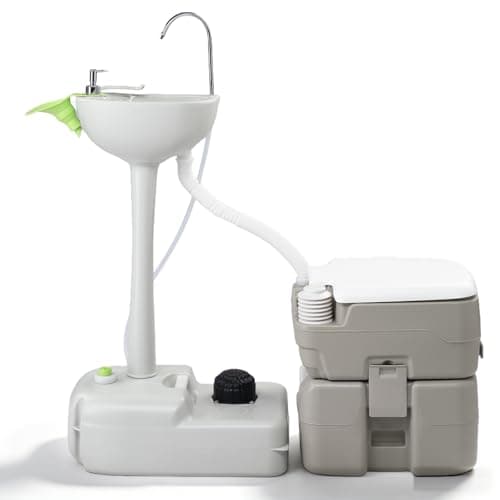
+ 24L recovery tank catches more grey water than the fresh supply
From our guide: Best Portable Camping Sinks for Car Camping
+ 2 Pack lets you wash in one tub and rinse in the other
From our guide: Best Camping Wash Basins for Car Camping (2026)
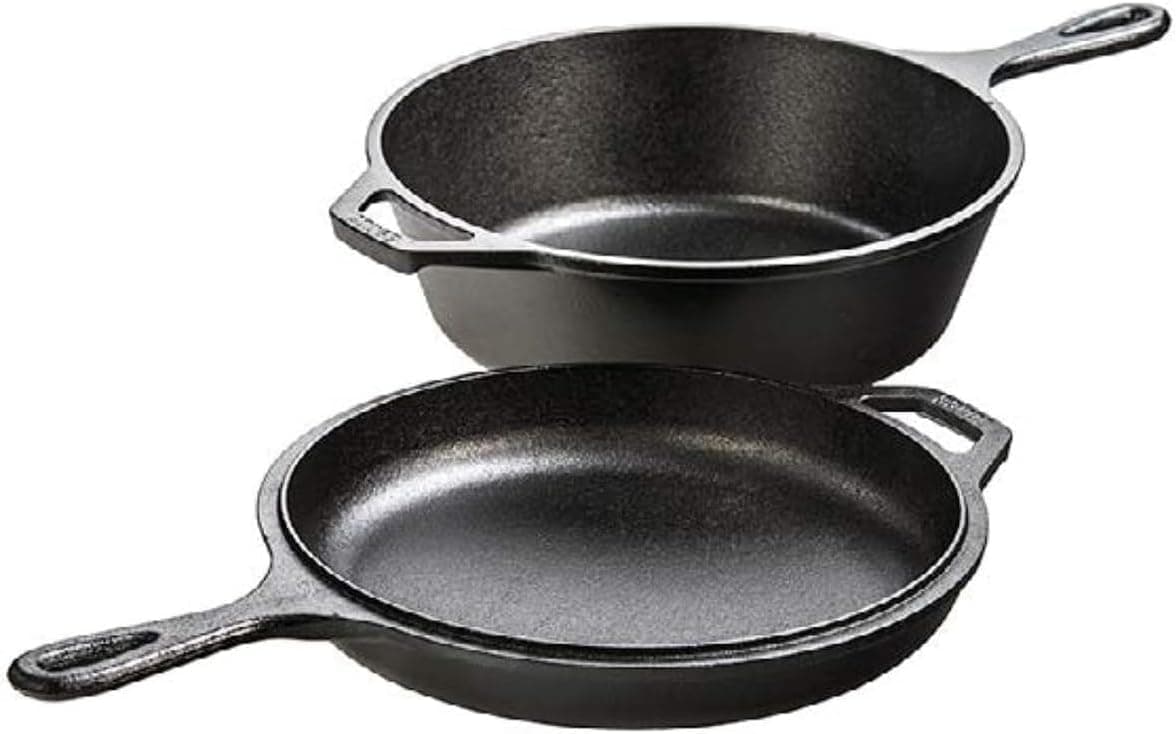
+ Combo design gives a deep pot plus a lid that doubles as a skillet
From our guide: Camp Kitchen Essentials for Car Campers
+ Foot pump works without batteries or power
From our guide: Best Portable Camping Sinks for Car Camping



What you need for a camp dish station
A basic setup is two collapsible basins or one sink with two compartments, a small bottle of biodegradable camp soap, a scrubber or sponge kept just for dishes, a strainer or mesh lid, and a microfiber towel. Add a drying rack or mesh bag so dishes drain instead of sitting wet in a bin.
Heat water in a kettle or pot on the stove while you eat. Warm water cuts grease much faster than cold water, so it saves both soap and scrubbing. A jug with a spigot makes it easy to refill the rinse basin without lifting a heavy container.
The two-basin method step by step
First, scrape. Use a spatula or a paper towel to remove all food from plates and pans, and wipe greasy pots before they touch water. Whatever you scrape off goes into your trash, not into the wash water.
Second, wash. Fill one basin with hot water and a few drops of soap. Wash the cleanest items first, such as cups and utensils, and finish with greasy pots and pans so the water stays usable longer.
Third, rinse. Dip each item in the second basin of clean hot water, and change that water when it looks soapy. Fourth, dry. Stack items on a rack or in a mesh bag and let them air dry in the sun, or wipe them with the towel if bugs or rain are a concern.
Where to dump the water
Used dish water is called gray water. In a developed campground, ask the host or check the posted rules. Many campgrounds have a gray water drain or a dump station, and some forbid washing at drinking water spigots or restroom sinks.
In dispersed or backcountry camping, strain out the food bits, pack them out with your trash, then scatter the water in a wide arc at least 200 feet (about 70 adult steps) from streams, lakes and the campsite. This is the standard Leave No Trace distance. Pouring it in one spot can attract animals and leave a greasy patch.
Biodegradable soap is still soap. It breaks down in soil, not in water, so use it sparingly and never wash directly in a stream.
How much water you need
For two people eating one-pot meals, a couple of gallons per day for dishes is a reasonable plan if you wash with the two-basin method and rinse with a small amount of clean water. Larger groups, greasy meals and multiple pots push that number up quickly.
You can stretch water by wiping pans clean first, cooking in a pot you can eat from, and using one-dish meals. Put a bit of hot water in a dirty pot while you eat so the residue softens, and it will wipe out in seconds.
Keeping dishes clean and animals away
Wash right after eating. Dried food is harder to remove and smells attract raccoons, mice and other animals. Do not leave dishes out overnight, and store food, trash and clean dishes in the vehicle or a locked container.
For extra safety against germs, finish with a final rinse of very hot water, such as water just off the boil, poured over the dishes. This is a common camp practice, but be careful around kids and keep basins stable on the table.
If your cookware is nonstick, use a soft scrubber so you do not scratch the coating, and keep your camp sponge separate from anything that touches your food at home.
Cutting down the mess before you start
The easiest dish to wash is one that never got dirty. Cook one-pot meals, line a plate with a reusable silicone mat or a sheet of parchment, and wipe the pan with a paper towel while it is still warm. Fat sets as it cools, so a quick wipe right after cooking saves most of the scrubbing later.
Keep a small bin or bag for food scraps and used paper towels at the table. Sort it into trash before washing begins, and tie it off at night. Soak anything with burnt-on food in hot water while you eat, then scrape it with a plastic scraper or a wooden spoon instead of a metal tool.
Pack a few extra pieces of dishware so you can wash once after dinner instead of after every snack. Two plates, two bowls and two cups per person are usually plenty for a weekend trip, and a single wash session after dinner keeps the routine short.
Frequently asked questions
Do I need soap to wash dishes while camping? For greasy pots, yes, a small amount of biodegradable soap helps a lot. For light items like cups, hot water and a scrubber is often enough.
Can I use regular dish soap? Regular soap works for washing, but it is not designed to break down in the environment, so a biodegradable camp soap is the better choice and you should still keep it far from water sources.
How far from water should I dump dish water? The usual guidance is at least 200 feet from streams, lakes and your campsite, and always follow the rules of the campground or land manager.
How do I dry dishes without a rack? Spread a clean towel on the table, or hang a mesh bag from a tree branch or the open tailgate so air can flow around the items.
Popular right now
- Fall Car Camping: How to Plan and What to PackArticle
- Keeping Cool When Camping in Hot WeatherArticle
- Best Portable Camping Sinks for Car CampingBuying guide
- Tailgate tent explainedGlossary
- Safety Tips for Sleeping in Your CarArticle
- Best Camping Cookware SetsBuying guide
Based on the last 28 days of search and visitor data.