Insulating Your Vehicle for Winter Camping
Published How we research
Insulate windows first, since glass is the worst insulator and largest heat-loss source; fitted reflective foam panels dramatically slow heat escape and double as blackout covers. Add foam floor insulation under your sleeping area to break contact with the cold metal underbody, working alongside a high R-value pad, not instead of it. Ceiling and wall insulation help less dramatically but reduce condensation for serious winter builds. Hanging an insulated divider behind the front seats shrinks the air volume your body heat needs to warm. Manage moisture with a cracked window even in deep cold, since damp insulation insulates poorly, and never use combustion inside a sealed cabin to solve cold. Winter car camping opens up a quiet, uncrowded world of snowy landscapes and empty campgrounds, but the cold that keeps others away is unforgiving of a poorly prepared vehicle. A bare metal-and-glass cabin sheds heat in every direction, and no amount of blankets fully compensates for a vehicle that leaks warmth as fast as your body produces it. Insulating the vehicle itself changes the equation, letting your sleeping system and body heat actually hold, and it is the single biggest factor in comfortable winter nights.
Products from this article
The highest-scoring picks from the buying guides this article links to. Scores are our editorial assessment, not customer ratings.
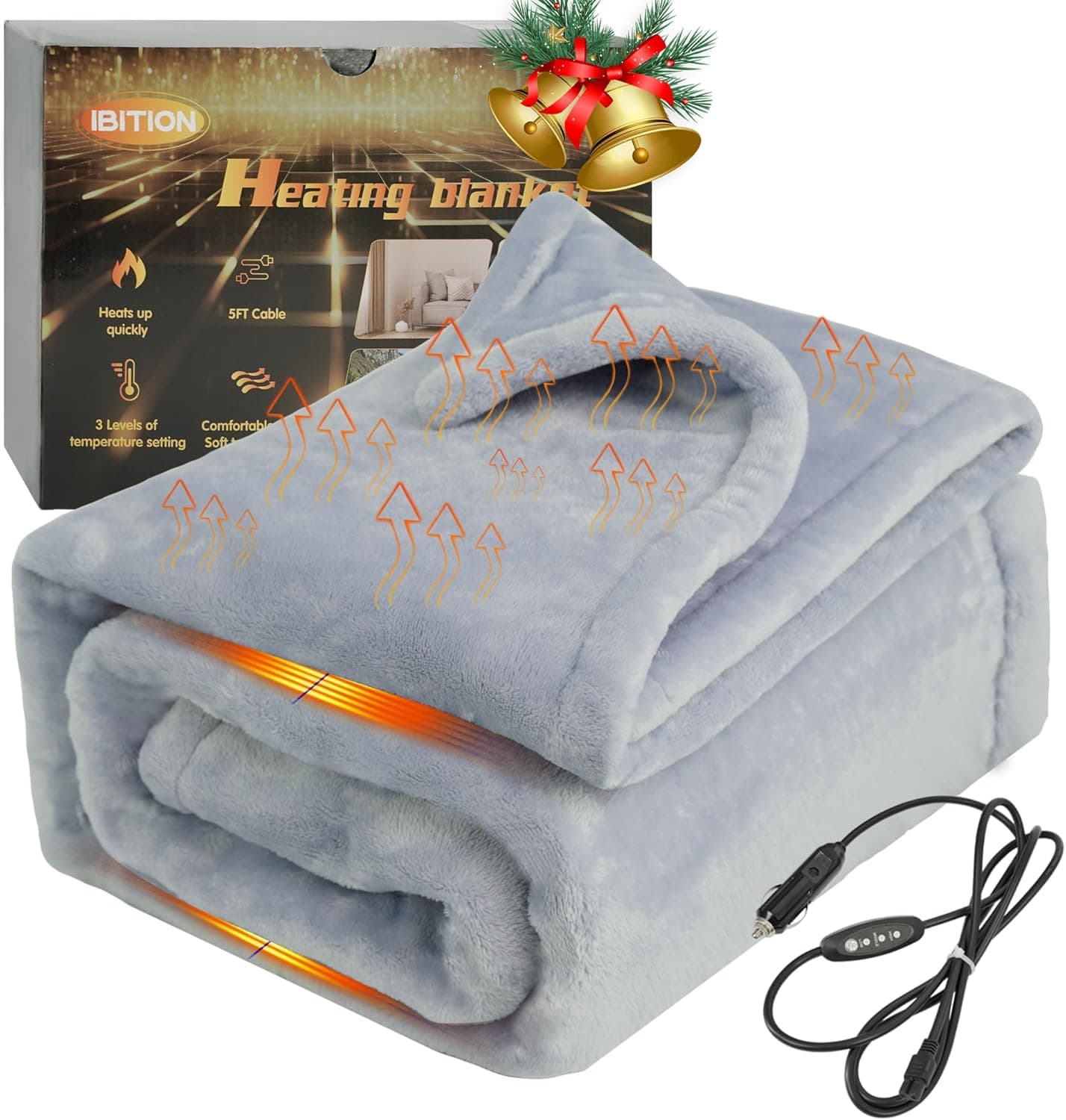
+ Controller offers 3 heating levels to match the night temperature
From our guide: Best 12V Electric Blankets for Car Camping (2026)
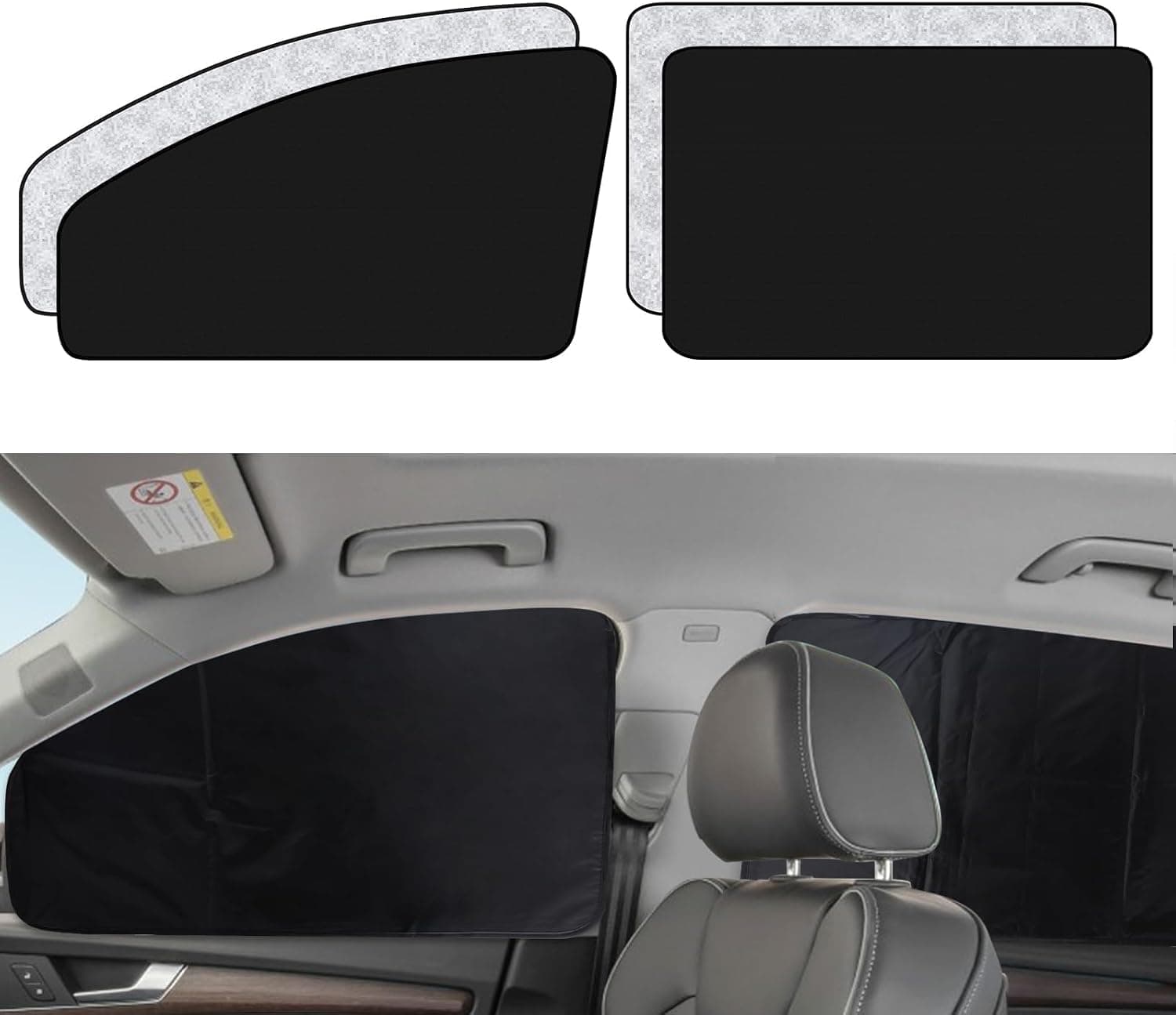
+ Magnetic frames attach and remove in seconds with no suction cups
From our guide: Best Car Window Covers for Camping Privacy
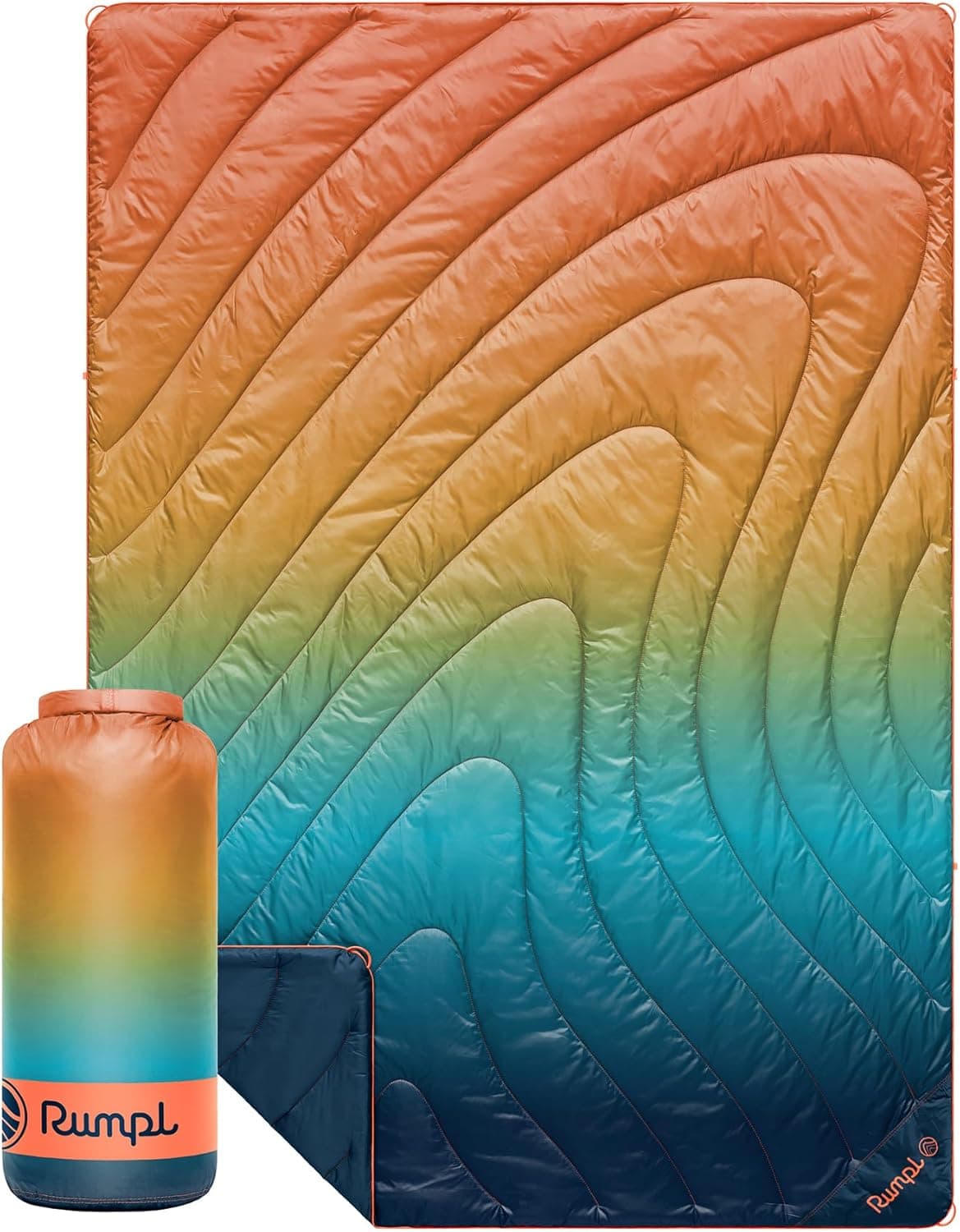
+ Puffy insulation traps warmth like a sleeping bag
From our guide: Best Camping Blankets for Car Camping
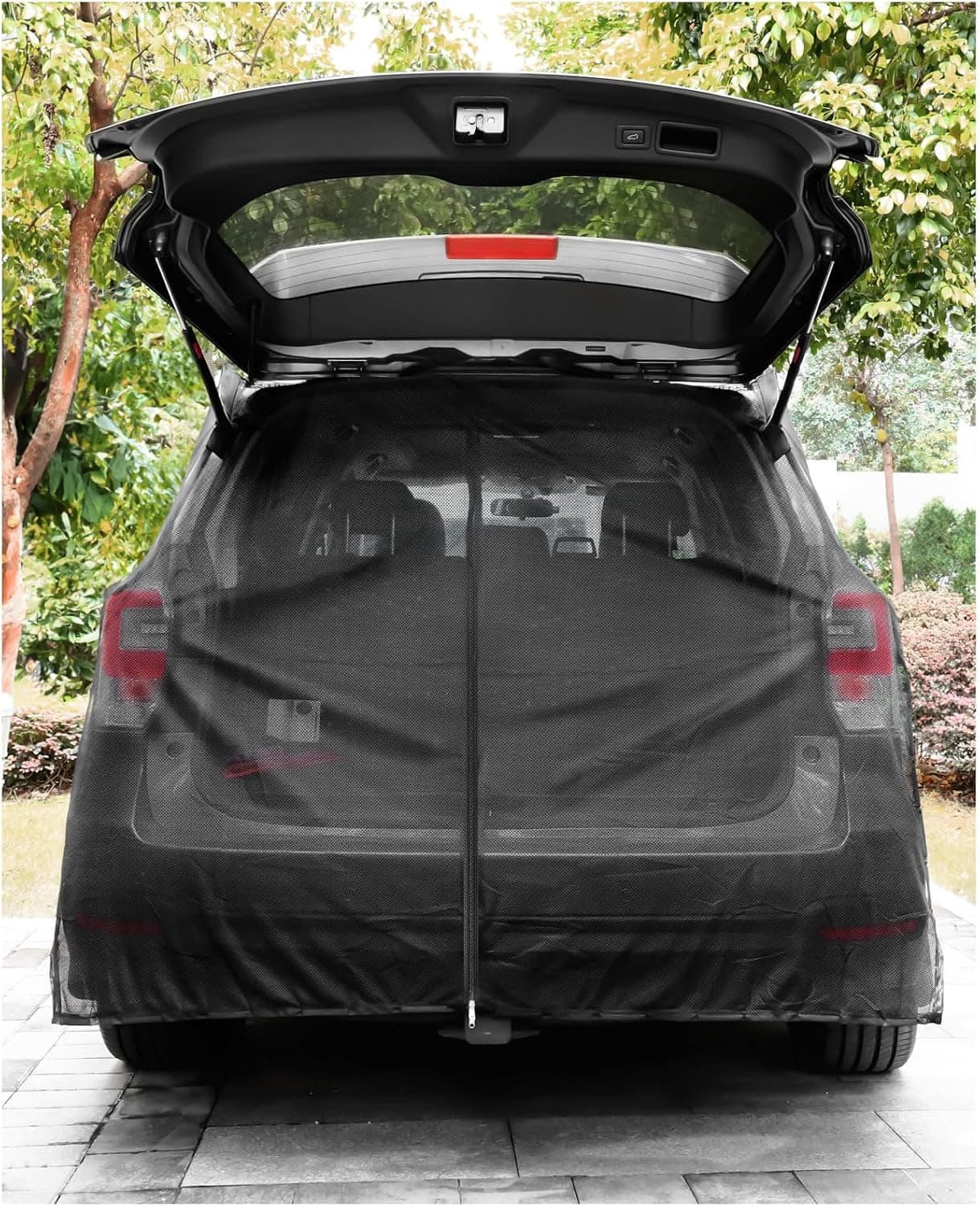
+ Covers the whole hatch opening so you can sleep with the tailgate up
From our guide: Best Car Window Covers for Camping Privacy
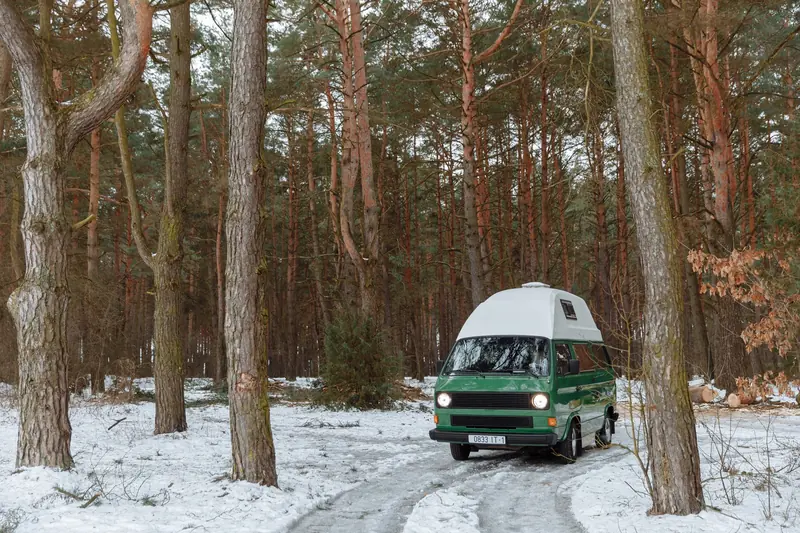
Windows are the priority for heat loss
Windows are the priority because glass is the worst insulator in the vehicle and the largest source of heat loss. Insulated window panels, made from reflective foam cut to fit each window, dramatically slow the escape of heat and reflect your body warmth back inside. Fitting them snugly against the seals matters, since gaps let cold air sneak in and warm air leak out. The windshield, being the largest window, benefits most, so insulate it well. These same panels double as privacy and blackout covers, so they earn their space year-round.
The floor is the second major cold path
The floor is the second major cold path, since cold radiates up through the metal underbody and steals heat from beneath you. A layer of foam floor insulation or interlocking foam tiles under your sleeping area breaks that contact and makes an immediate difference. This works alongside a high R-value sleeping pad, not instead of it, and the two together are what keep the cold ground from pulling heat out of you all night. Even a simple foam pad or thick rug adds meaningful insulation to a bare floor.
The ceiling and walls lose heat too
The ceiling and walls lose heat too, though less dramatically than windows and floor. For those who camp seriously in winter, adding insulation panels to the ceiling and behind the interior panels retains heat and reduces the condensation that forms on cold metal surfaces. This is a bigger project suited to dedicated build-outs, but even a lighter touch, like hanging insulating blankets along the walls at night, helps a bare vehicle hold warmth in a pinch.
Reducing air volume is a clever, low-effort tactic
Reducing the volume of air you have to keep warm is a clever, low-effort tactic. A large SUV or van interior is a lot of cold air for one or two people to warm, so hanging an insulated divider behind the front seats shrinks your sleeping space to something your body heat can actually maintain. The smaller the enclosed volume, the warmer it stays, which is why a compact, well-sealed sleeping nook feels far cozier than a cavernous open cabin.
Managing moisture is the hidden challenge
Managing moisture is the hidden challenge of a well-insulated winter vehicle. Better insulation keeps you warmer but traps the moisture from your breath, which then condenses and freezes on cold surfaces or dampens your bedding. Ventilation remains essential even in deep cold, so crack a window slightly to let humid air escape, and air out your bedding each day. A little heat loss through a cracked window is a fair trade for staying dry, and dry insulation insulates far better than damp.
Never solve the cold with combustion inside the cabin
Never solve the cold with combustion inside the cabin. The temptation to run a fuel heater or the engine in a sealed vehicle is exactly what makes carbon monoxide deadly in winter, when everything is closed up tight. The whole purpose of insulating the vehicle is to make combustion unnecessary. With insulated windows, an insulated floor, a reduced air volume, and careful ventilation, your body heat and a warm sleeping system can keep you comfortable through genuinely frigid nights, and winter becomes a season to seek out rather than avoid.
Frequently asked questions
What is the biggest source of heat loss in a car during winter camping? Windows, since glass is the worst insulator in the vehicle; insulated reflective foam panels fitted snugly against the seals dramatically slow heat escape and reflect body warmth back inside.
How do you stop cold from coming through the floor of a car? A layer of foam floor insulation or interlocking foam tiles under your sleeping area breaks contact with the cold metal underbody, used alongside a high R-value sleeping pad, not instead of it.
Why does shrinking the sleeping area help keep a car warm? A large SUV or van interior is a lot of cold air for one or two people to warm, so hanging an insulated divider behind the front seats shrinks the space your body heat needs to maintain, keeping it warmer.
Should you crack a window even when insulating a car for winter? Yes, ventilation remains essential even in deep cold, since better insulation traps moisture from your breath that can condense and freeze on cold surfaces or dampen your bedding.
Popular right now
- Fall Car Camping: How to Plan and What to PackArticle
- Keeping Cool When Camping in Hot WeatherArticle
- Best Portable Camping Sinks for Car CampingBuying guide
- Tailgate tent explainedGlossary
- Safety Tips for Sleeping in Your CarArticle
- Best Camping Cookware SetsBuying guide
Based on the last 28 days of search and visitor data.