Keeping Food Cold Without a Fridge
Published How we research
A cooler does not make things cold, it only slows how fast they warm, so start cold and lose it slowly. Pre-chill the cooler overnight with frozen bottles, freeze the food itself, and use block ice (less surface area melting than cubes) frozen in containers so it gives you cold drinking water instead of a soggy pool. Pack it tight with raw meat sealed at the bottom, keep it in shade under a light towel, and use a separate drinks cooler so the main one is opened less. A powered fridge is convenient, but plenty of car campers eat well for days using nothing more than a good cooler and smart habits. The key is understanding that a cooler does not make things cold, it only slows down how fast they warm up. Everything you do is about starting cold and losing that cold as slowly as possible.
Products from this article
The highest-scoring picks from the buying guides this article links to. Scores are our editorial assessment, not customer ratings.
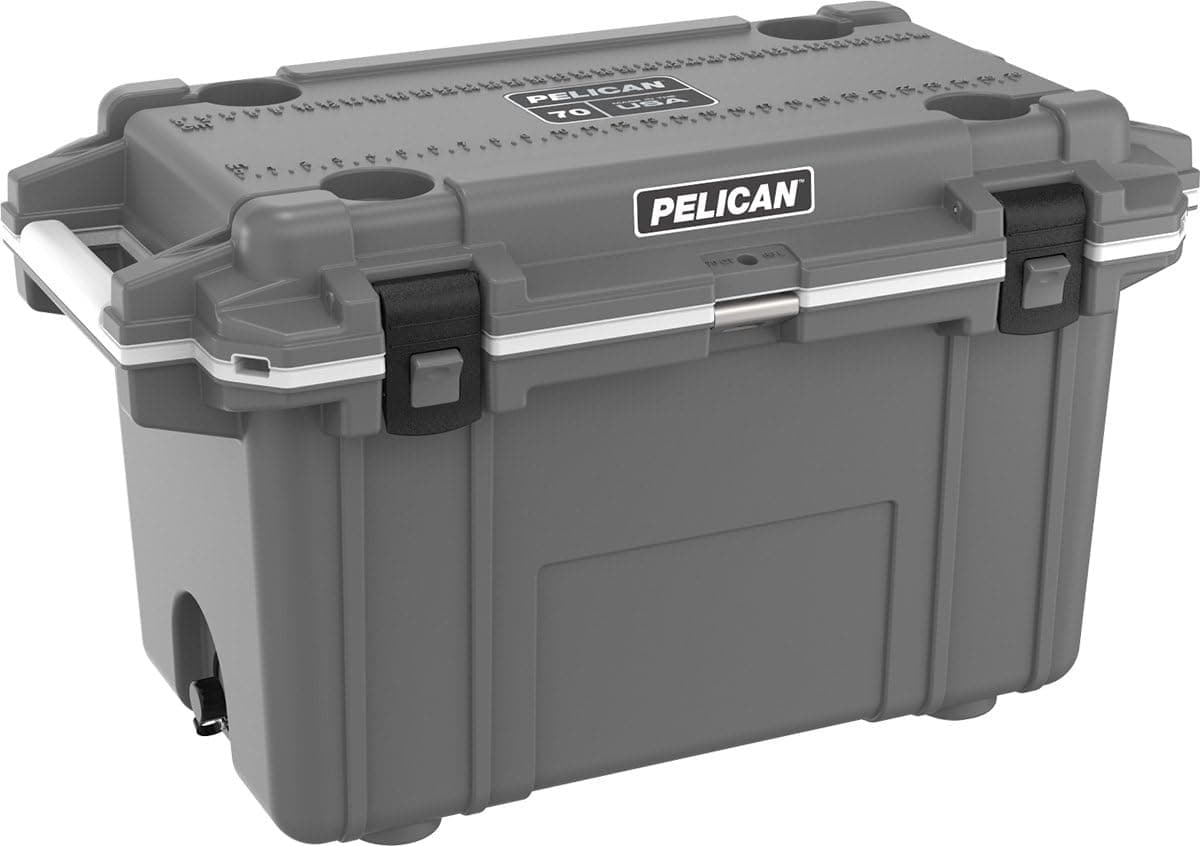
+ 70 QT capacity feeds a group for several days
From our guide: Best Camping Coolers for Car Camping
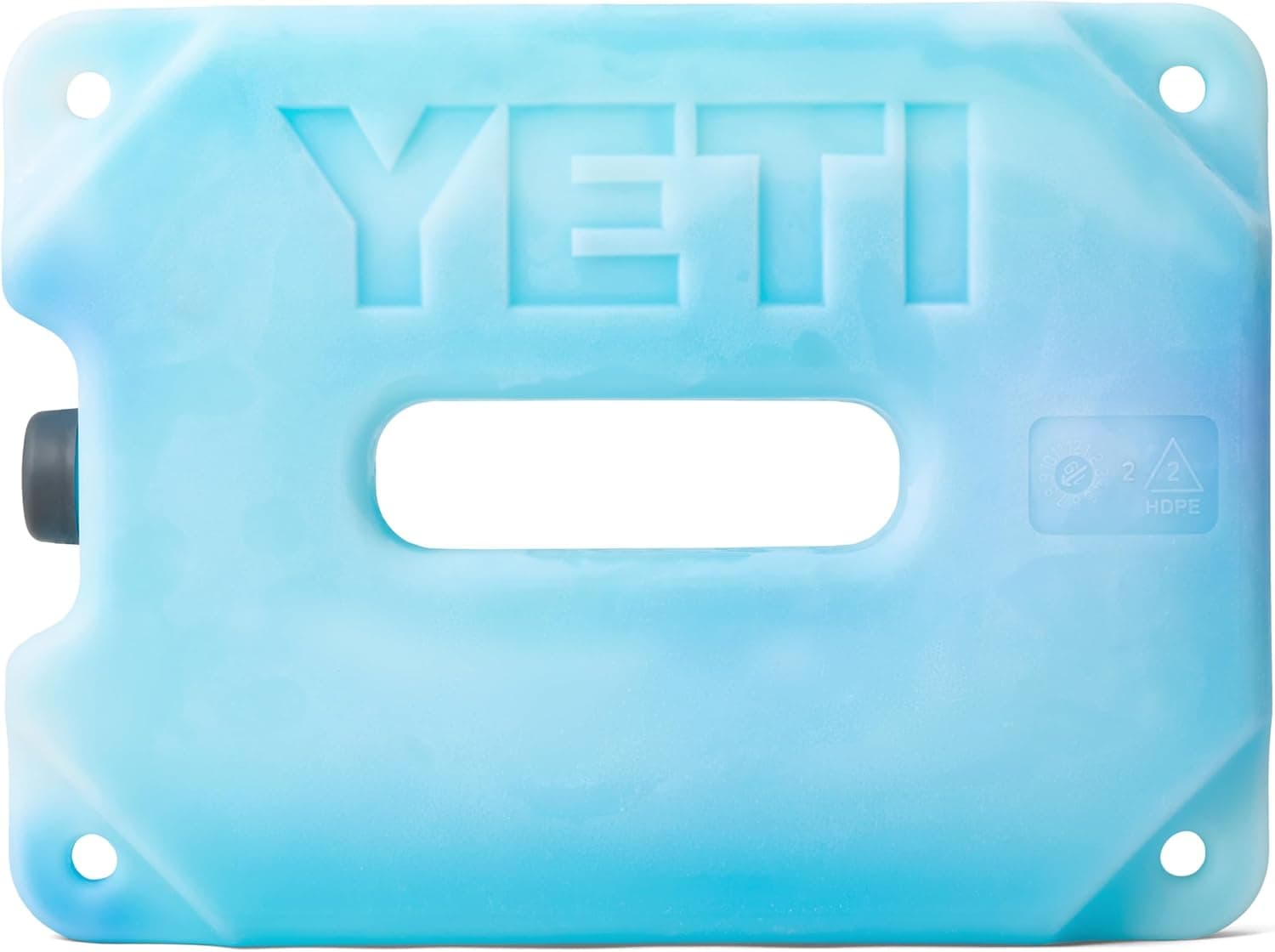
+ 4 lb size delivers a big cold mass for full-size hard coolers
From our guide: Best Ice Packs for Camping Coolers
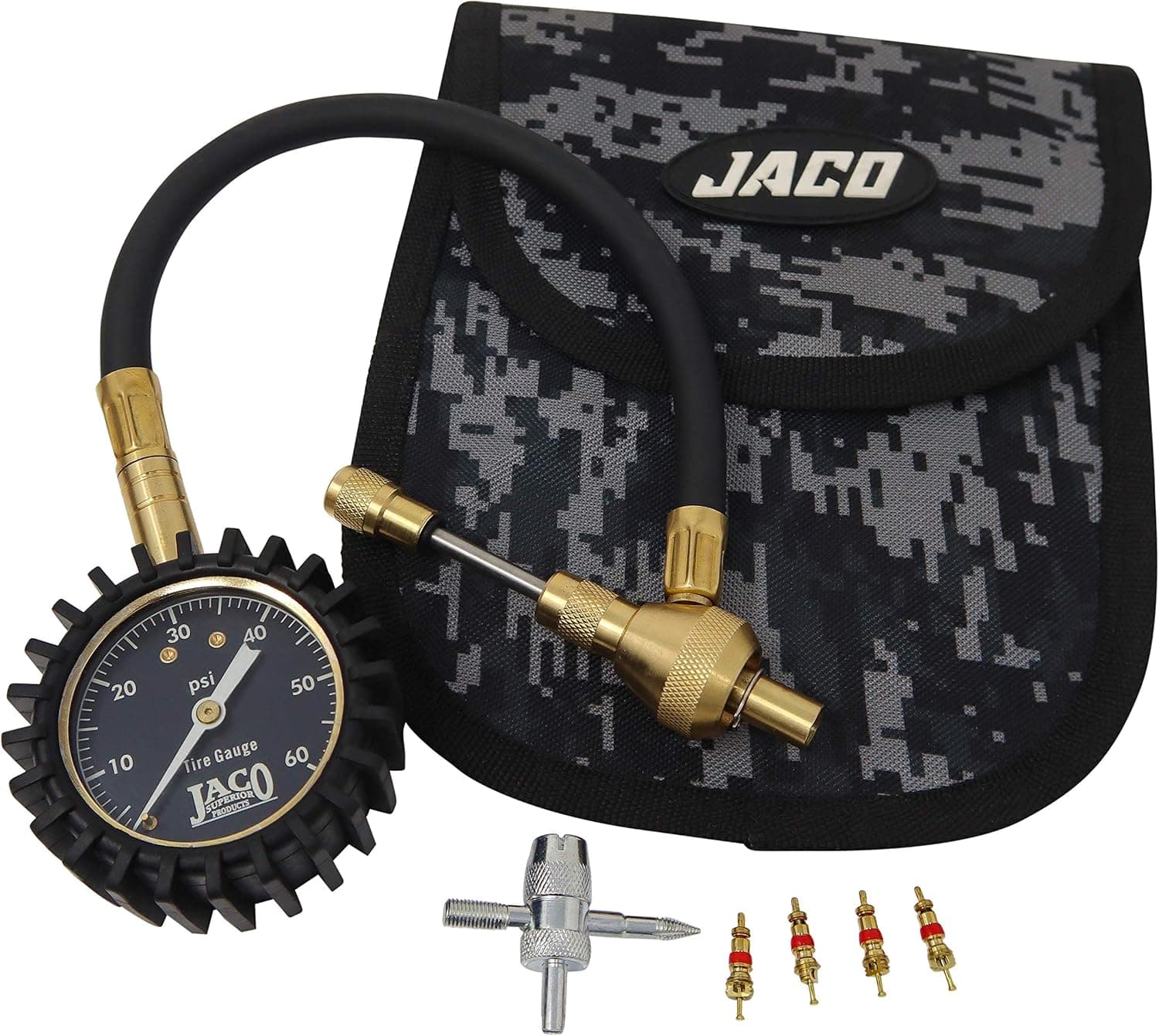
+ Rapid flow design lets air out much faster than a valve tool
From our guide: Best Tire Deflators for Off-Road and Car Camping (2026)
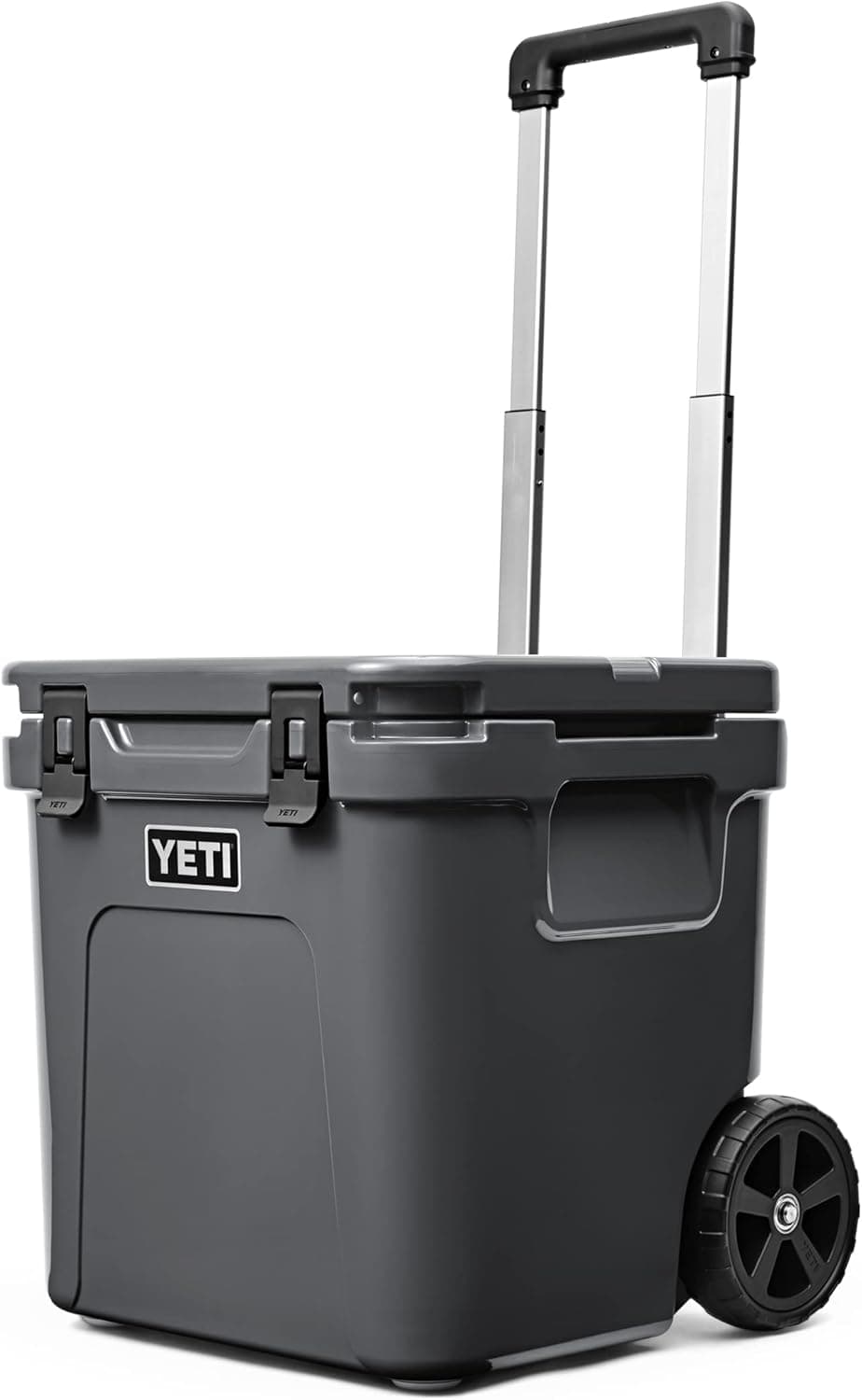
+ Wheels and handle make a heavy loaded cooler easy to move
From our guide: Best Camping Coolers for Car Camping
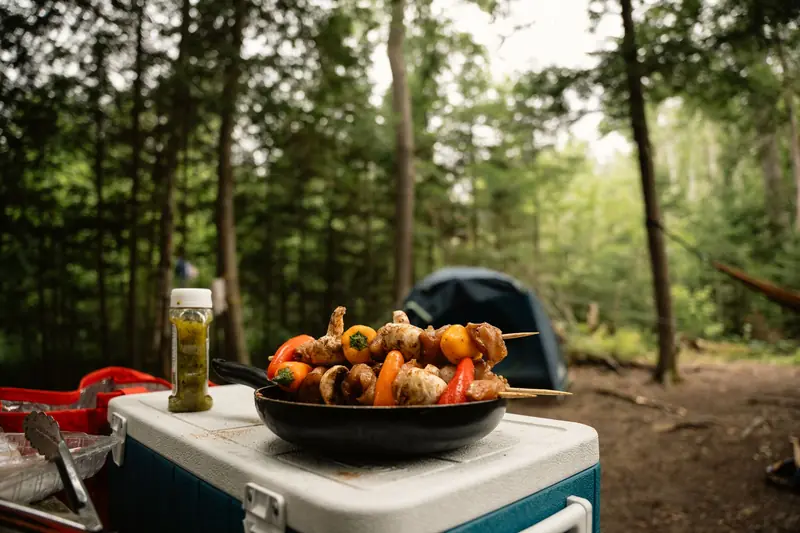
Pre-chill everything before you leave
Begin by pre-chilling. A cooler that starts at room temperature spends its first block of ice just cooling the walls. The night before you leave, put a few frozen water bottles or a bag of ice inside to bring the interior down, then swap in fresh ice in the morning. Chill or freeze the food itself too. Frozen meat acts as extra ice and thaws slowly, ready to cook by the time you reach it.
Block ice beats cubed ice for longevity
Block ice beats cubed ice for longevity because it has less surface area melting at once. You can make your own by freezing water in clean plastic containers or bottles, which has the bonus of giving you cold drinking water as it melts instead of a soggy pool at the bottom. Keep some cubed ice too for packing into gaps and cooling drinks quickly, but rely on block ice for the long haul.
Organisation inside the cooler
Organization inside the cooler protects both cold and food safety. Pack it tight, because empty air space warms fast, and layer things by when you will use them, with the last day's food at the bottom. Keep raw meat sealed and at the very bottom where it is coldest and cannot drip onto anything. A separate small cooler for drinks saves your main cooler from being opened constantly, and every time you open the lid, you lose cold.
Where you keep the cooler
Where you keep the cooler matters as much as what is in it. Keep it in shade, never in direct sun or a hot trunk, and drape a light-colored towel or blanket over it for extra insulation. At camp, tuck it under the vehicle or a table where the sun cannot reach it, and at night you can even open it briefly to let cool air in before sealing it back up.
Choose foods that need less cold
Choosing the right food reduces how much cold you need in the first place. Hard cheeses, cured meats, eggs, butter, and many condiments tolerate a cooler far better than delicate items and last longer. Plan the first day or two around the most perishable ingredients like fresh fish or ground meat, then shift to sturdier foods later in the trip. Dry and canned goods need no cold at all and should carry the back half of a longer trip.
Respect food safety
Finally, respect food safety. The rule of thumb is that perishable food should not sit above 40 degrees Fahrenheit for long, so keep meltwater drained and ice topped up. When in doubt about meat or dairy that has warmed, throw it out rather than risk a miserable night far from help. With pre-chilling, block ice, tight packing, and shade, a good cooler will keep you eating well for a solid three to four days, which covers most trips without a single watt of power.
Frequently asked questions
How long will a cooler keep food cold while camping? With pre-chilling, block ice, tight packing, and shade, a good cooler keeps food safe for a solid three to four days, which covers most trips without any power.
Is block ice or cubed ice better for a cooler? Block ice lasts far longer because it has less surface area melting at once. Freeze water in clean containers, and it also gives you cold drinking water instead of a soggy pool.
How should I pack a cooler for car camping? Pack it tight (empty air space warms fast), layer food by when you will use it with the last day at the bottom, and keep raw meat sealed at the very bottom where it is coldest.
Where should I keep a cooler at camp? In shade, never in direct sun or a hot trunk, with a light-coloured towel draped over it, tucked under the vehicle or a table where the sun cannot reach.
Popular right now
- Fall Car Camping: How to Plan and What to PackArticle
- Keeping Cool When Camping in Hot WeatherArticle
- Best Portable Camping Sinks for Car CampingBuying guide
- Tailgate tent explainedGlossary
- Safety Tips for Sleeping in Your CarArticle
- Best Camping Cookware SetsBuying guide
Based on the last 28 days of search and visitor data.