Leave No Trace for Car Campers
Published How we research
The freedom to camp on public land and in wild places exists only as long as campers treat those places well, and every careless visitor puts that freedom at risk. Leave No Trace is the set of principles that keeps the outdoors healthy and access open, and while it was developed for backpackers, it applies just as fully to car campers, who by carrying more gear and reaching more places can also leave a larger impact. Understanding and following these principles is how you earn the right to keep enjoying these spaces.
Planning ahead is the first principle and the one that prevents most problems before they start. Knowing the rules of the area you are visiting, where camping is allowed, what the fire restrictions are, and how many people the site can handle lets you avoid damaging fragile places or breaking rules out of ignorance. Bringing the right gear, from a trowel for waste to containers for packing out trash, means you are equipped to camp responsibly rather than improvising in ways that harm the site. Good planning is quiet, invisible, and the foundation of everything else.
Camping on durable surfaces protects the land from your vehicle and your footprints. Use established sites and existing pull-offs rather than creating new ones, and park on rock, gravel, or already-bare ground instead of driving over vegetation, which can take years to recover in fragile environments. The tracks a vehicle leaves across a meadow or desert crust can scar the land for a very long time, so staying on existing roads and hardened surfaces is one of the most important things a car camper can do. Concentrating impact on places already worn is far better than spreading it to fresh ground.
Disposing of waste properly is where car campers must be especially disciplined, since you generate more of it than a backpacker. Pack out all your trash, including food scraps and anything that does not belong, and leave the site cleaner than you found it. For human waste where there are no facilities, bury it in a proper cathole well away from water, or use a portable toilet and dispose of it at a dump station. Never dump wastewater, dish water, or gray water near a water source, and use only biodegradable soap sparingly and away from streams and lakes.
Leaving what you find and minimizing fire impact keep the character of a place intact for others. Resist the urge to take rocks, plants, or artifacts, and leave the site as you found it so the next person discovers the same untouched place you did. With fire, respect all restrictions absolutely, since a single escaped campfire can destroy thousands of acres, and use existing fire rings rather than building new ones. In many areas and seasons, a camp stove is the responsible choice over any fire at all, and during fire bans it is the only legal one.
Respecting wildlife protects both the animals and future campers. Store your food securely so you do not attract animals to your camp, since an animal that learns to associate people with food becomes a problem that often ends badly for the animal. Never feed wildlife, observe from a distance, and keep pets under control so they do not chase or harass animals. A camp that does not tempt or disturb wildlife is safer for you and healthier for the ecosystem around you.
Being considerate of others rounds out the principles and keeps shared spaces pleasant. Keep noise down, especially at night, since sound carries far in quiet places and generators and loud music disturb everyone within earshot. Camp a respectful distance from others, yield on narrow roads and trails, and keep your lights from flooding neighboring sites. The people who camp near you came for the same peace you did, and treating them with courtesy is part of the same ethic that protects the land. Follow these principles and you help ensure that the places you love stay open, healthy, and welcoming for every camper who comes after you.
Products from this article
The highest-scoring picks from the buying guides mentioned above. Scores are our editorial assessment, not customer ratings.
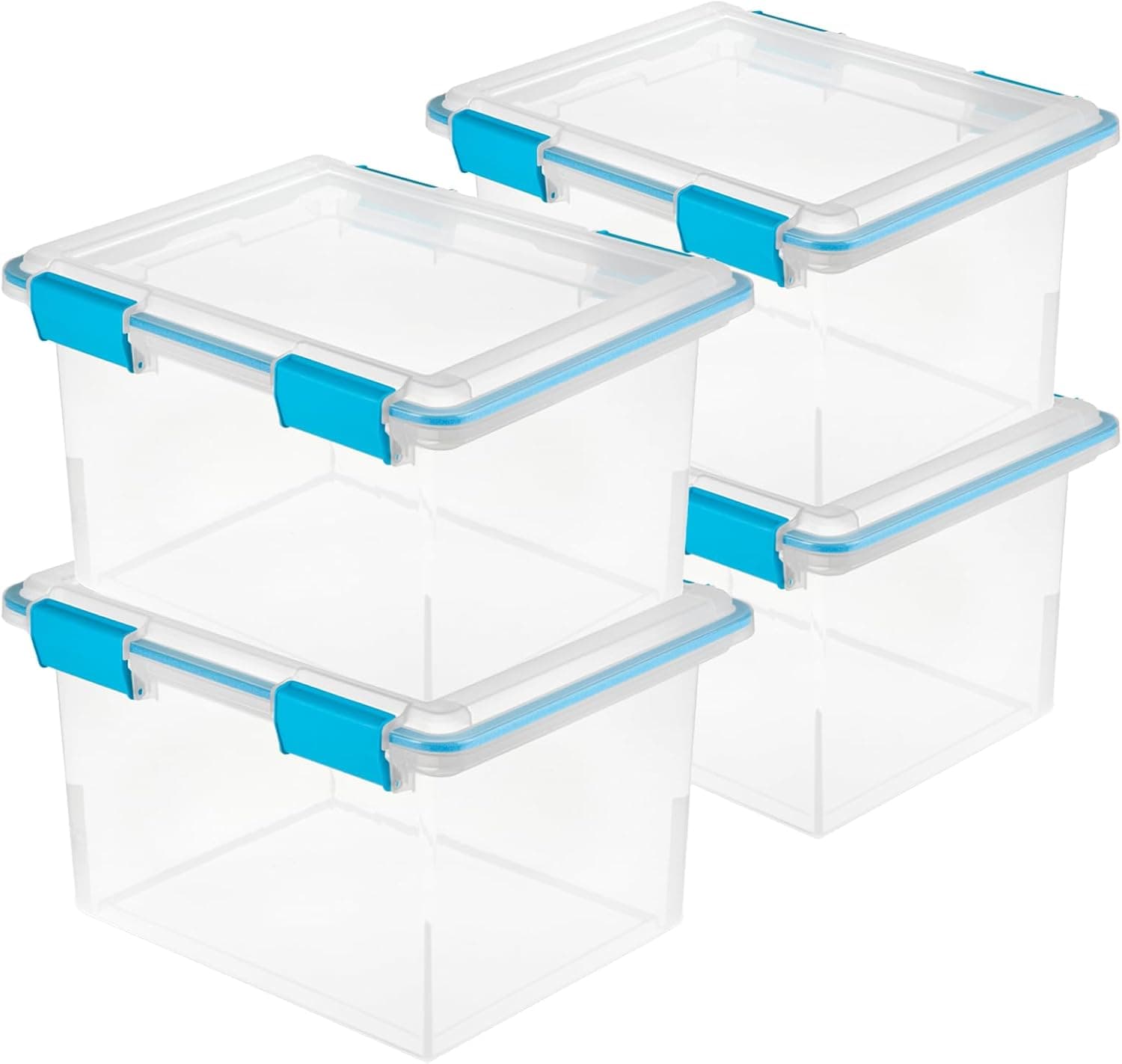
+ Gasket lid seal helps keep dust and moisture out of gear
From our guide: Best Trunk Organizers for Camp Storage
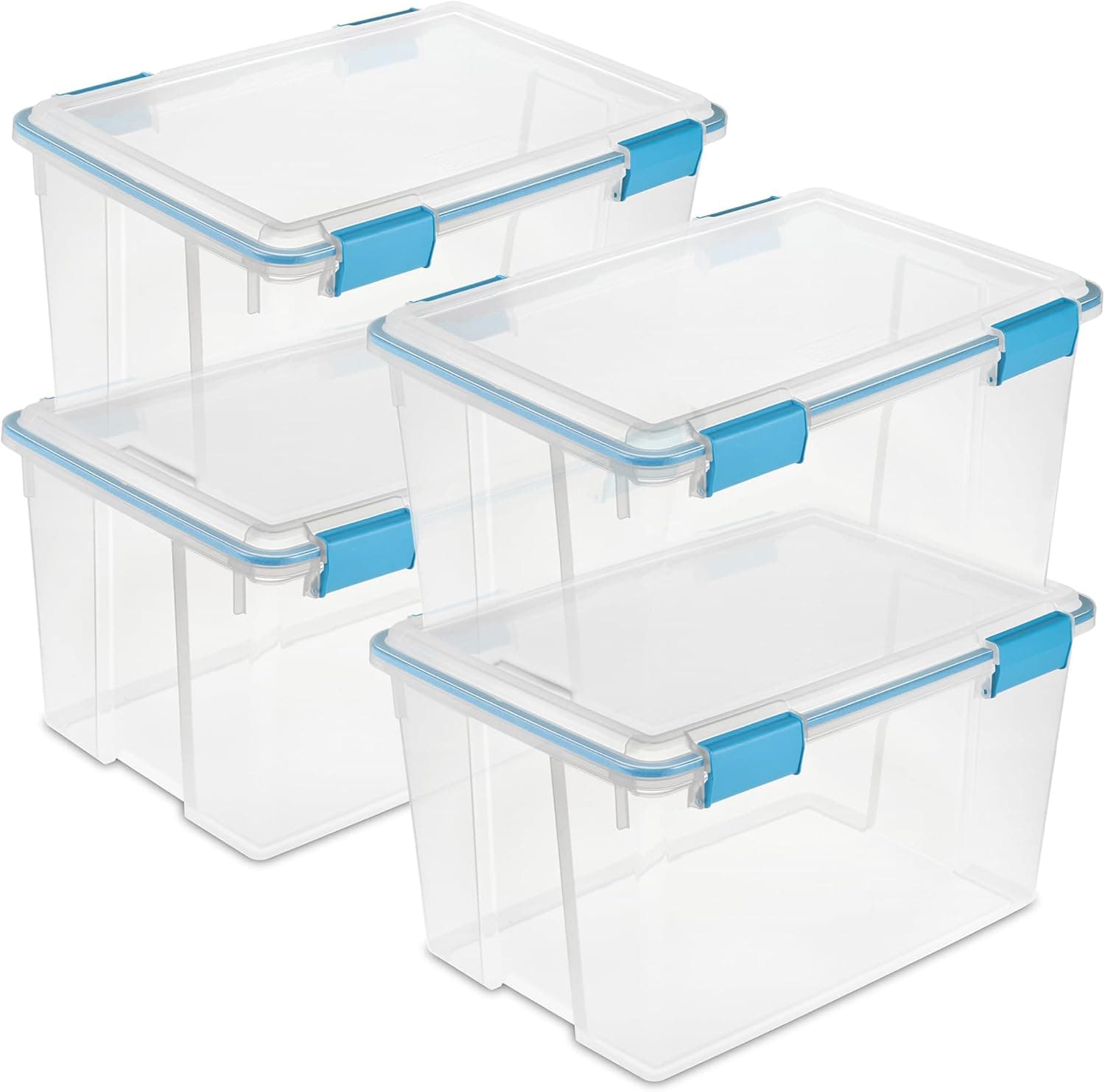
+ 54 Quart capacity fits a full camp kitchen setup in one bin
From our guide: Best Trunk Organizers for Camp Storage
+ Weather-resistant gasket lid protects contents from rain and dust
From our guide: Best Trunk Organizers for Camp Storage
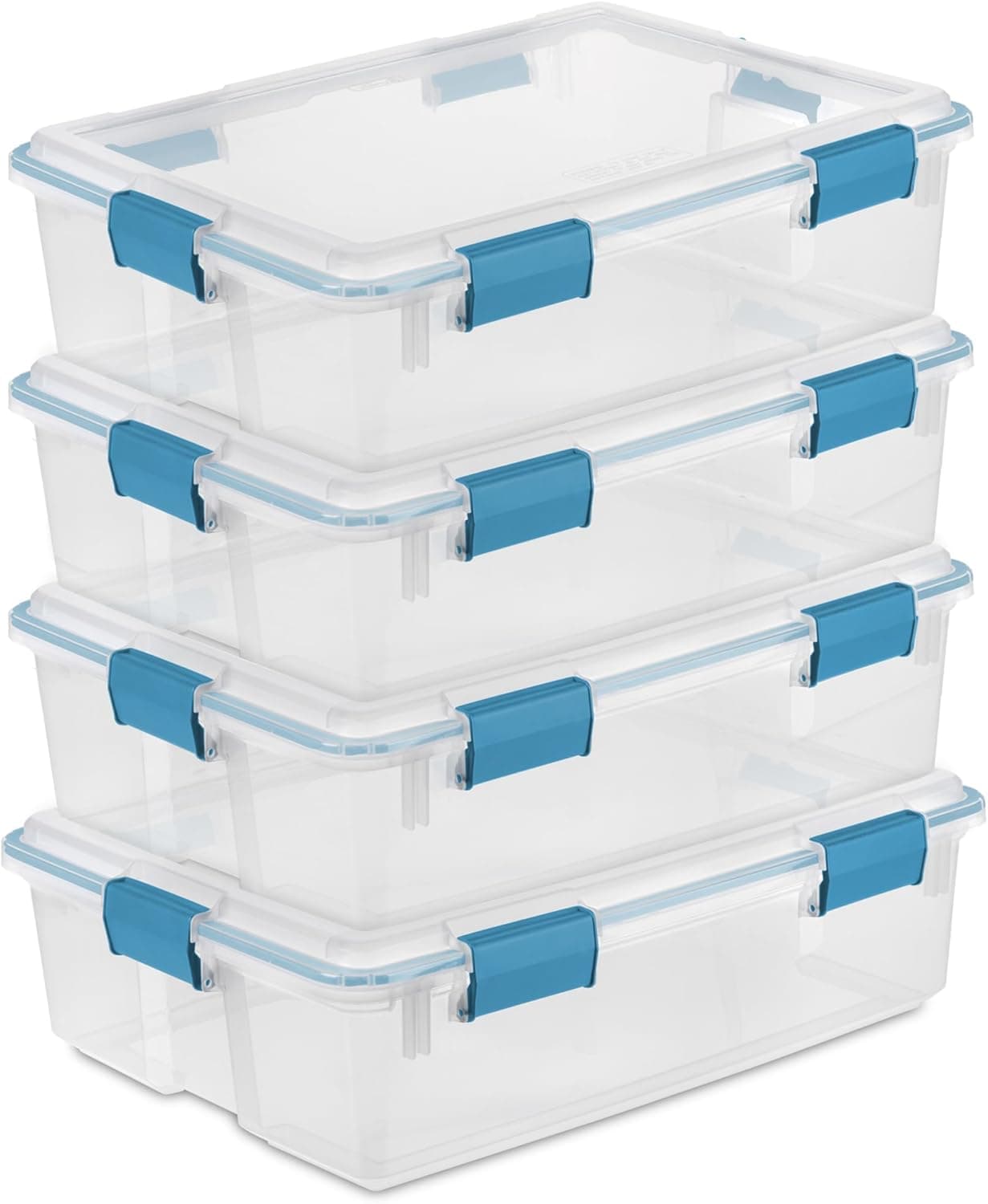
+ 37 Quart size fits well across a car trunk or SUV cargo area
From our guide: Best Trunk Organizers for Camp Storage
Popular right now
- Keeping Cool When Camping in Hot WeatherArticle
- Safety Tips for Sleeping in Your CarArticle
- Window Covers for Privacy and WarmthArticle
- Fall Car Camping: How to Plan and What to PackArticle
- Best Car Window Covers for Camping PrivacyBuying guide
- Keeping Food Cold Without a FridgeArticle
Based on the last 28 days of search and visitor data.