Managing Water on a Multi-Day Trip
Published How we research
Water is the resource that quietly determines how far and how long you can camp, and it is the one thing you cannot improvise your way around. Running low forces you off the land and back to civilization sooner than you planned, so managing water well is what gives you the freedom to stay out. On a multi-day trip, this means carrying enough, storing it safely, and knowing how to refill and purify along the way.
Products from this article
The highest-scoring picks from the buying guides this article links to. Scores are our editorial assessment, not customer ratings.
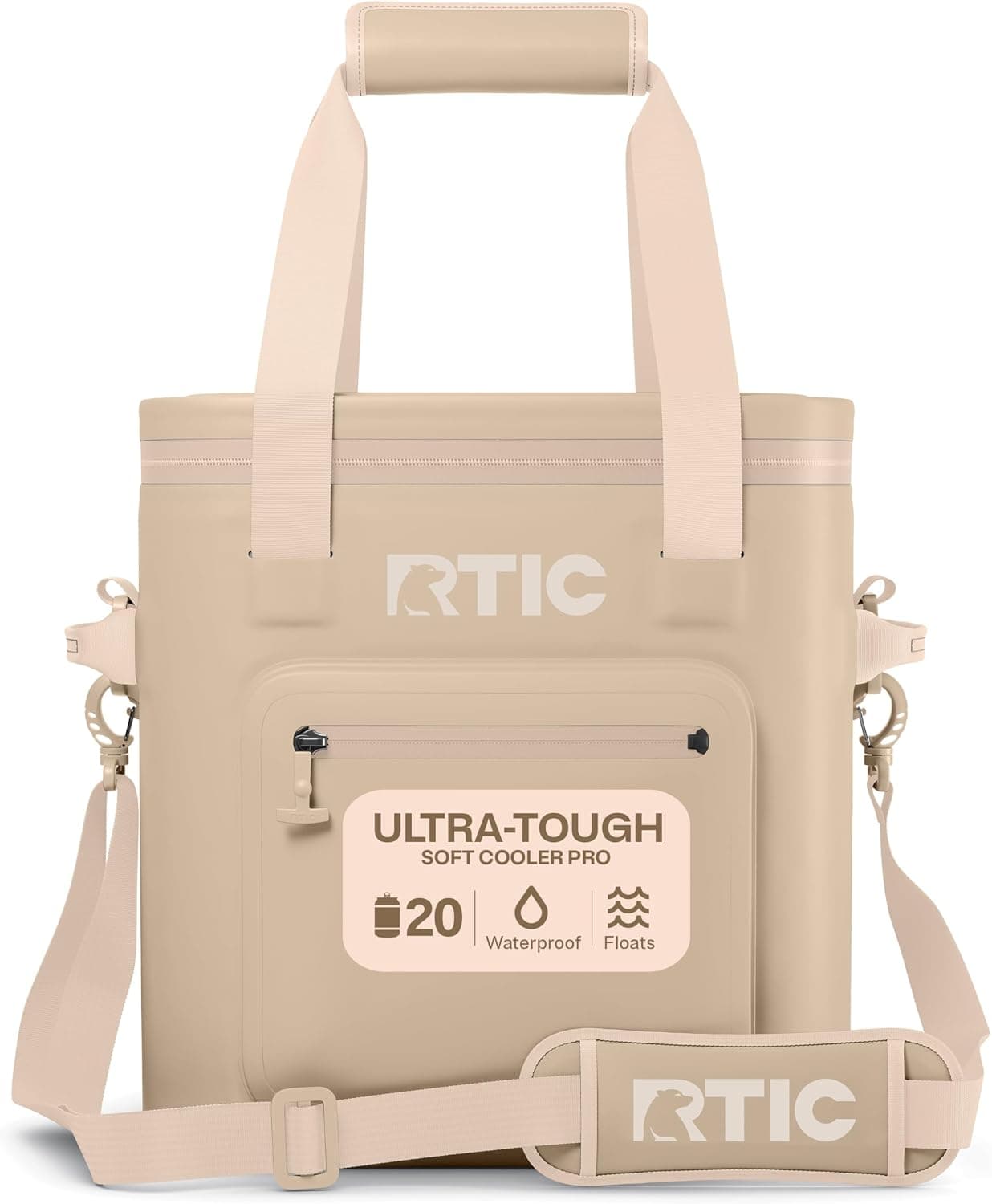
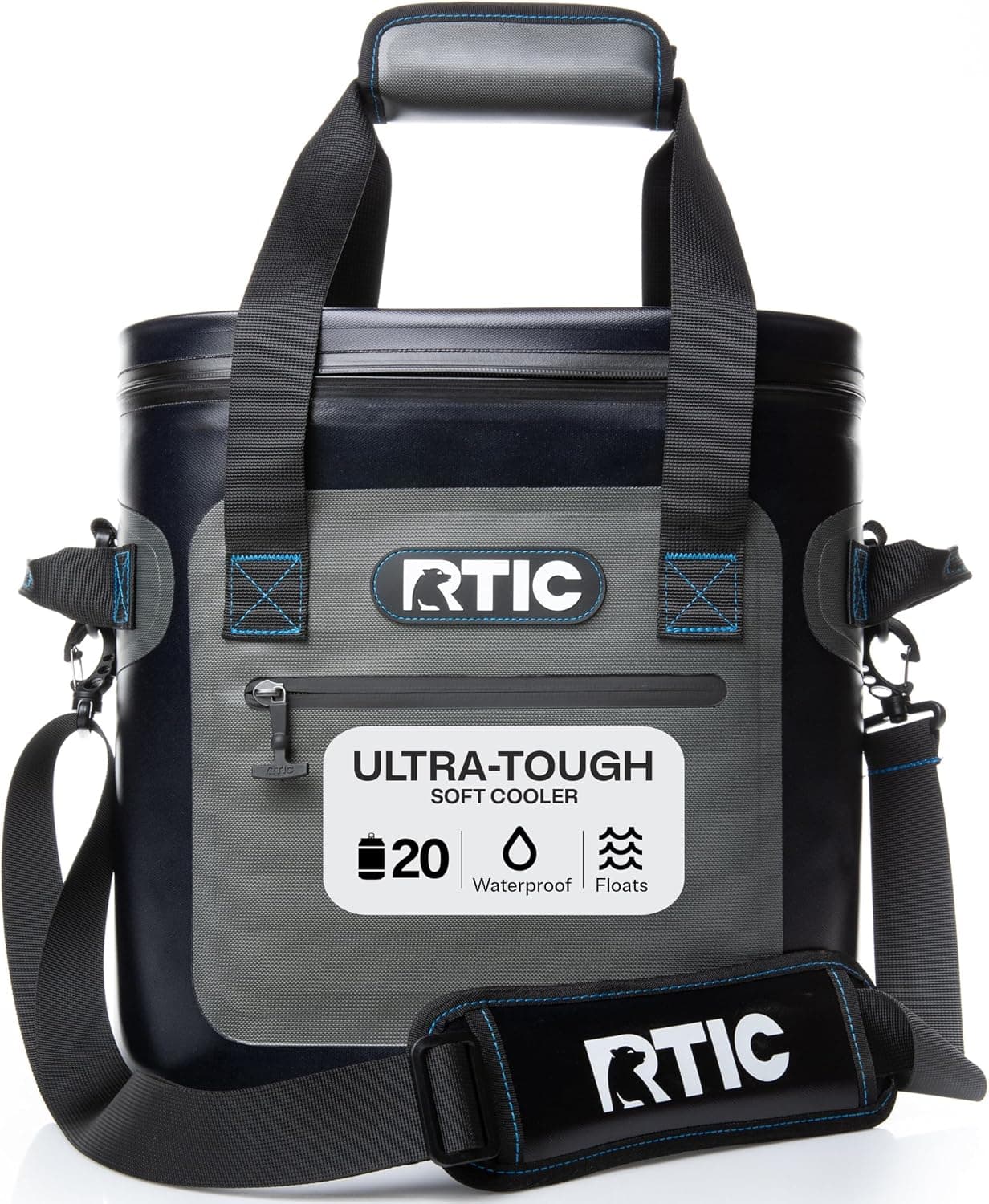
+ Ultra-tough shell resists punctures and abrasion better than basic bags
From our guide: Best Soft Coolers for Car Camping
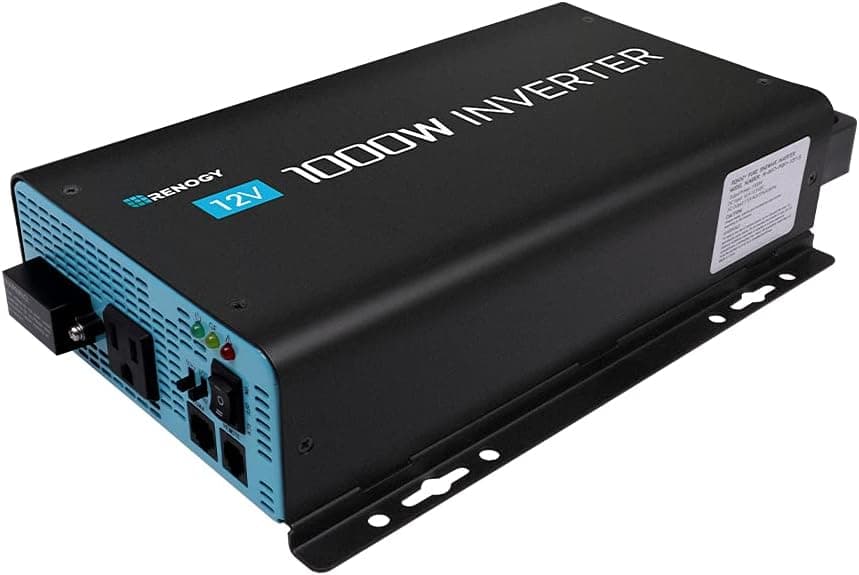
+ Pure sine wave output is safe for sensitive electronics and chargers
From our guide: Best Portable Power Banks for Camping
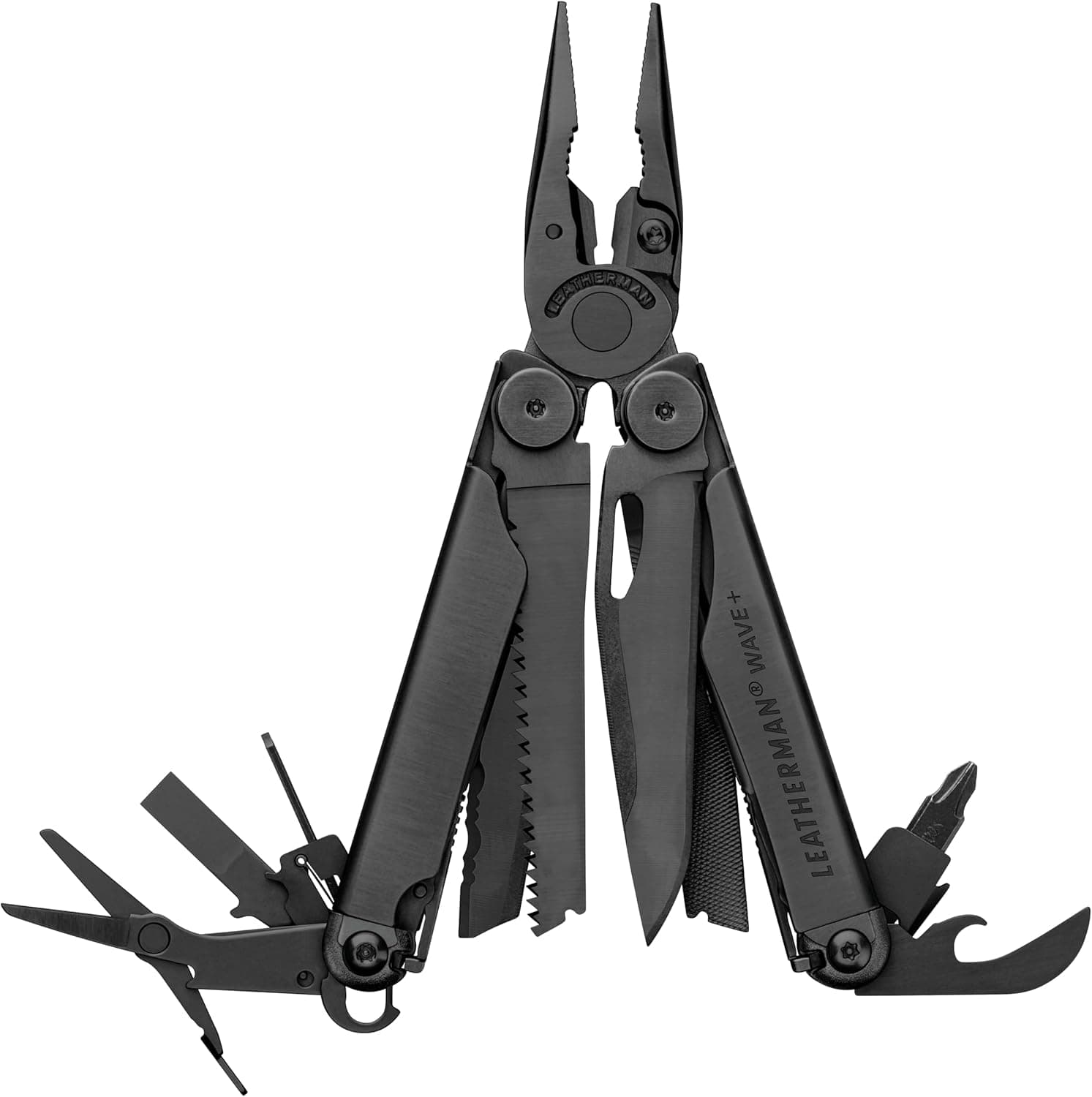
+ 18 tools cover pliers, blades, drivers and files for most camp fixes
From our guide: Best Camping Multi-Tools
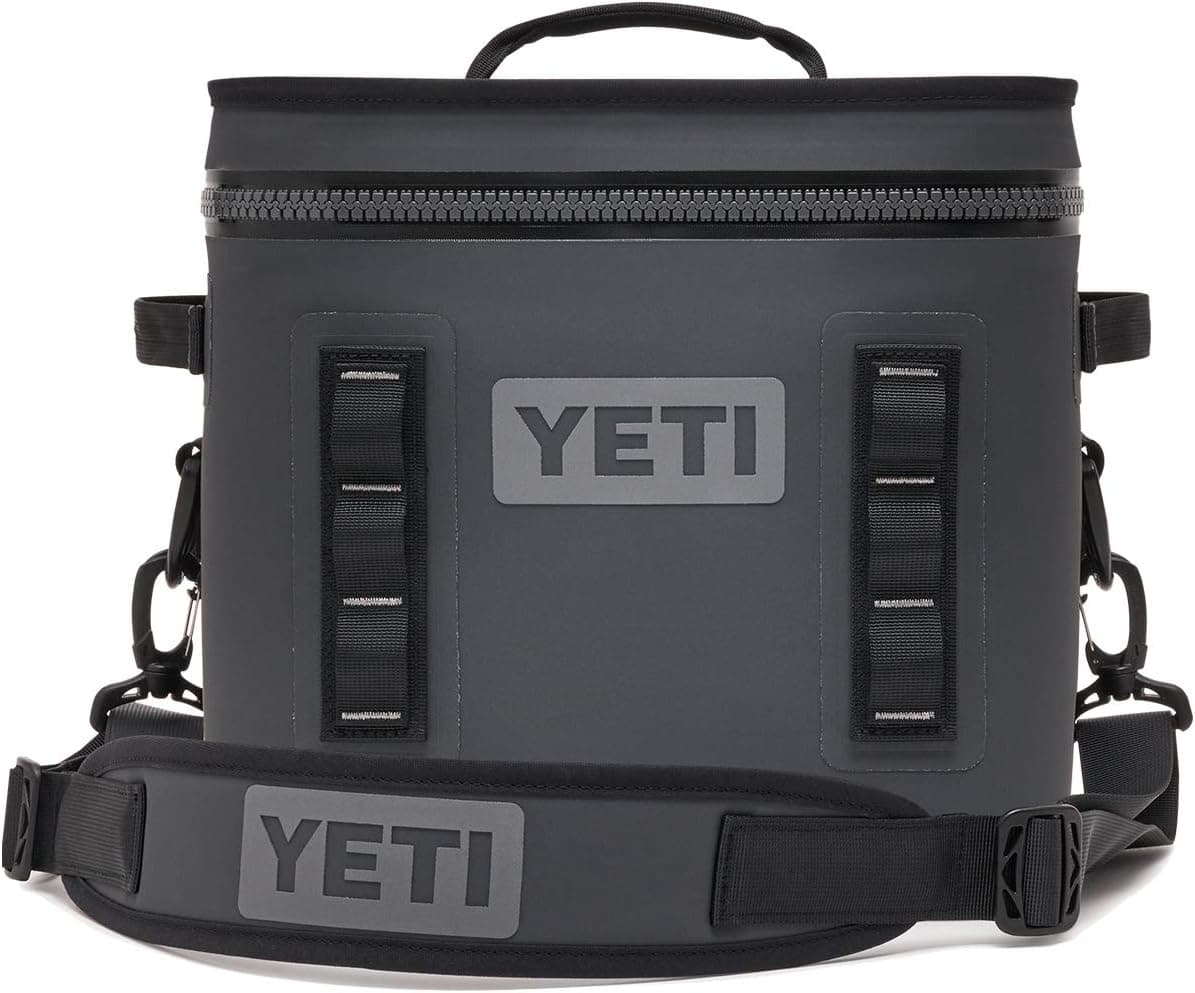
+ Thick insulation holds ice longer than basic lunch coolers
From our guide: Best Soft Coolers for Car Camping
Start by estimating your needs realistically, because people almost always underestimate. A common planning figure is around one gallon, or roughly four liters, per person per day, which covers drinking, cooking, and basic cleanup. That number climbs in hot weather, at altitude, or with strenuous activity, and it does not account for a dog, extra washing, or a generous approach to dishes. When in doubt, carry more than the minimum, since water is cheap insurance and the consequences of running out are serious.
Storage is where car camping shines compared to backpacking, since you can carry large, heavy containers your back never could. A combination of container sizes works best: a large multi-gallon jug or rigid tank as your main reservoir, plus smaller bottles for daily use and for carrying on hikes. Rigid containers with a spigot make dispensing easy and clean, while collapsible containers pack flat when empty and expand when you fill up. Keep at least one container as an emergency reserve that you do not dip into for casual use.
How and where you store water affects its safety and taste. Use food-grade containers designed for drinking water, keep them clean, and store them out of direct sun and extreme heat, since warmth degrades some plastics and encourages algae and bacteria. Securing containers so they do not shift while driving prevents both leaks and a dangerous loose weight in the vehicle. In freezing conditions, keep water from freezing solid by storing it inside the insulated cabin or wrapping it, and remember that a frozen jug is useless until it thaws.
Refilling is what extends a trip indefinitely, so plan your route around water sources. Campgrounds, ranger stations, gas stations, and towns offer potable water you can fill up at directly, and mapping these along your route lets you top up before you run low. In the backcountry, natural sources like streams and lakes can supply water, but only after treatment, and their reliability varies with season and drought, so never count on a natural source without a backup plan.
Purification makes questionable water safe and every serious car camper should carry a method. Boiling is the most reliable, killing pathogens with a rolling boil, though it uses fuel and time. A pump or gravity filter removes bacteria and protozoa and produces clear, good-tasting water quickly, making it the go-to for most people. Chemical treatments with tablets or drops are lightweight backups that handle viruses too, though they work slowly and affect taste. Carrying two methods means a failure of one does not leave you without safe water.
Build simple habits that prevent shortages before they happen. Track your consumption so you always know roughly how much you have left, refill whenever you pass a source rather than waiting until you are low, and keep your emergency reserve genuinely untouched. Treat the main jug as your working supply and the reserve as sacred. With a realistic estimate, a mix of storage sizes, a planned refill route, and a reliable purification method, water stops being a limiting worry and becomes just another well-managed part of the trip.
Popular right now
- Fall Car Camping: How to Plan and What to PackArticle
- Keeping Cool When Camping in Hot WeatherArticle
- Best Portable Camping Sinks for Car CampingBuying guide
- Tailgate tent explainedGlossary
- Safety Tips for Sleeping in Your CarArticle
- Best Camping Cookware SetsBuying guide
Based on the last 28 days of search and visitor data.