Staying Warm on Cold Nights
Published How we research
Cold nights separate the campers who love shoulder-season and winter trips from those who swear off them, and the difference is almost never toughness. It is technique. A vehicle offers shelter from wind and rain, but bare metal and glass conduct heat away quickly, so staying warm is about building an insulation system rather than hoping the car holds heat on its own. Get the system right and you can sleep comfortably well below freezing without any heater at all.
Products from this article
The highest-scoring picks from the buying guides this article links to. Scores are our editorial assessment, not customer ratings.
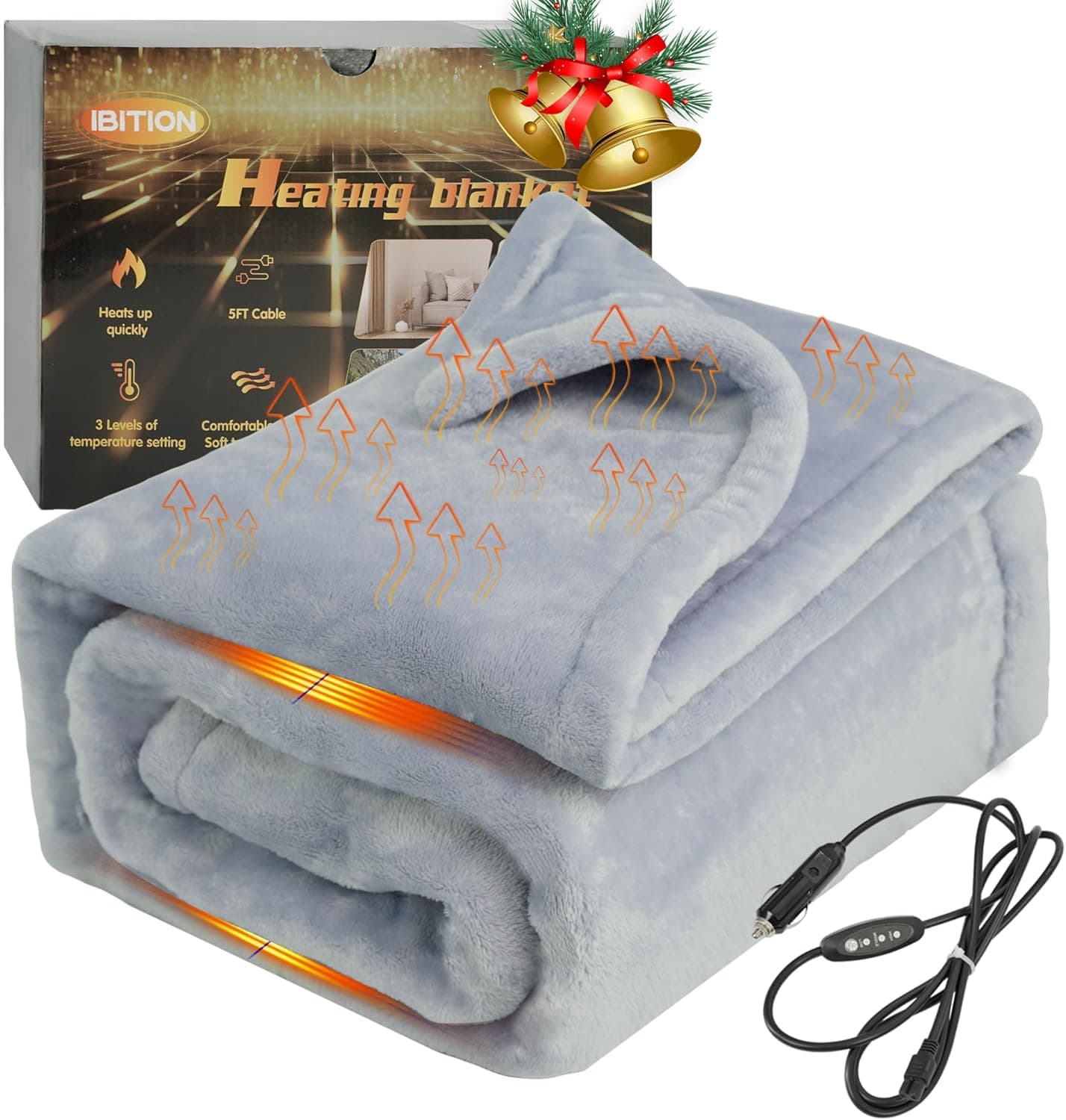
+ Controller offers 3 heating levels to match the night temperature
From our guide: Best 12V Electric Blankets for Car Camping (2026)
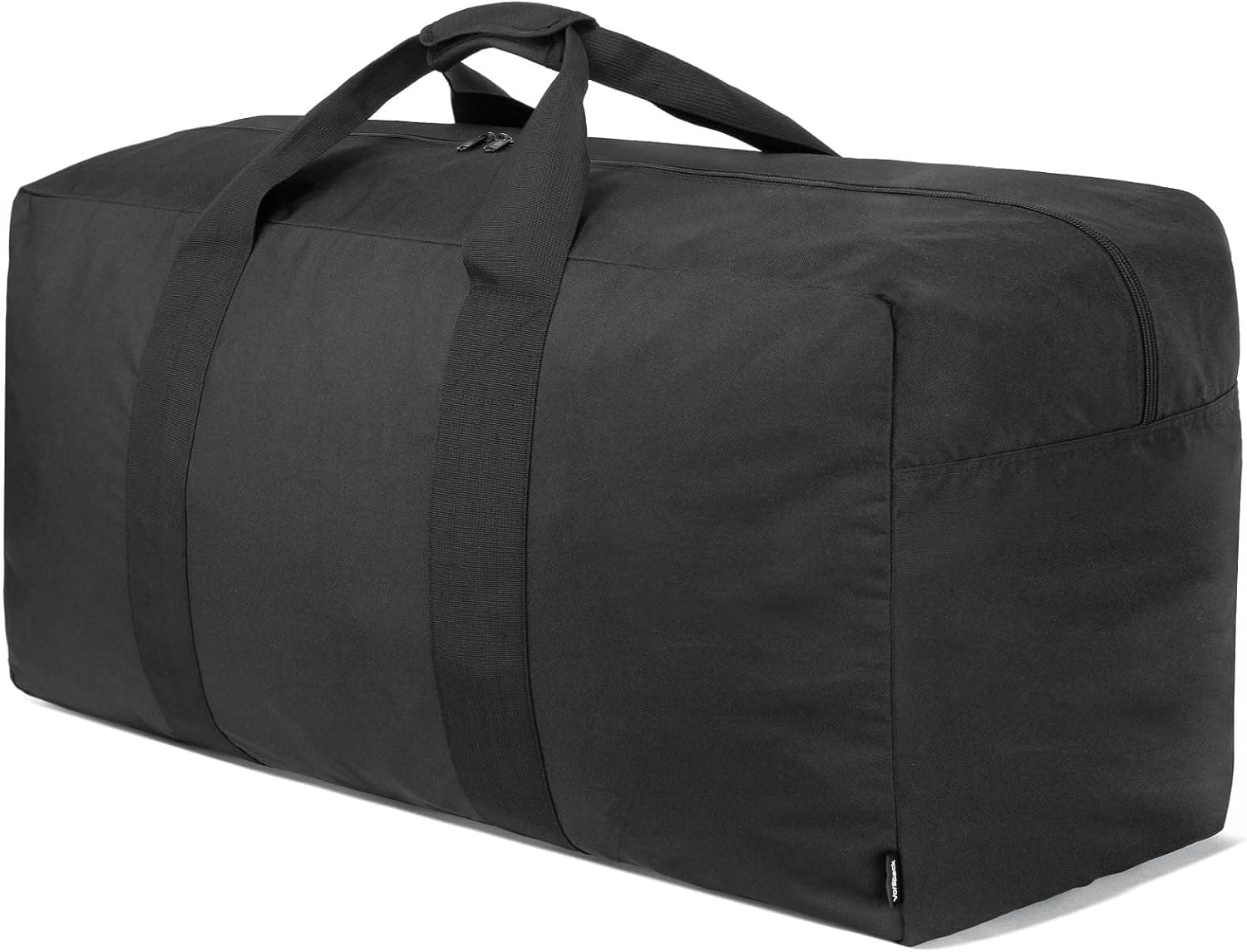
+ 100L capacity swallows sleeping bags, jackets and camp towels
From our guide: Best Gear Storage Duffels for Car Camping (2026)
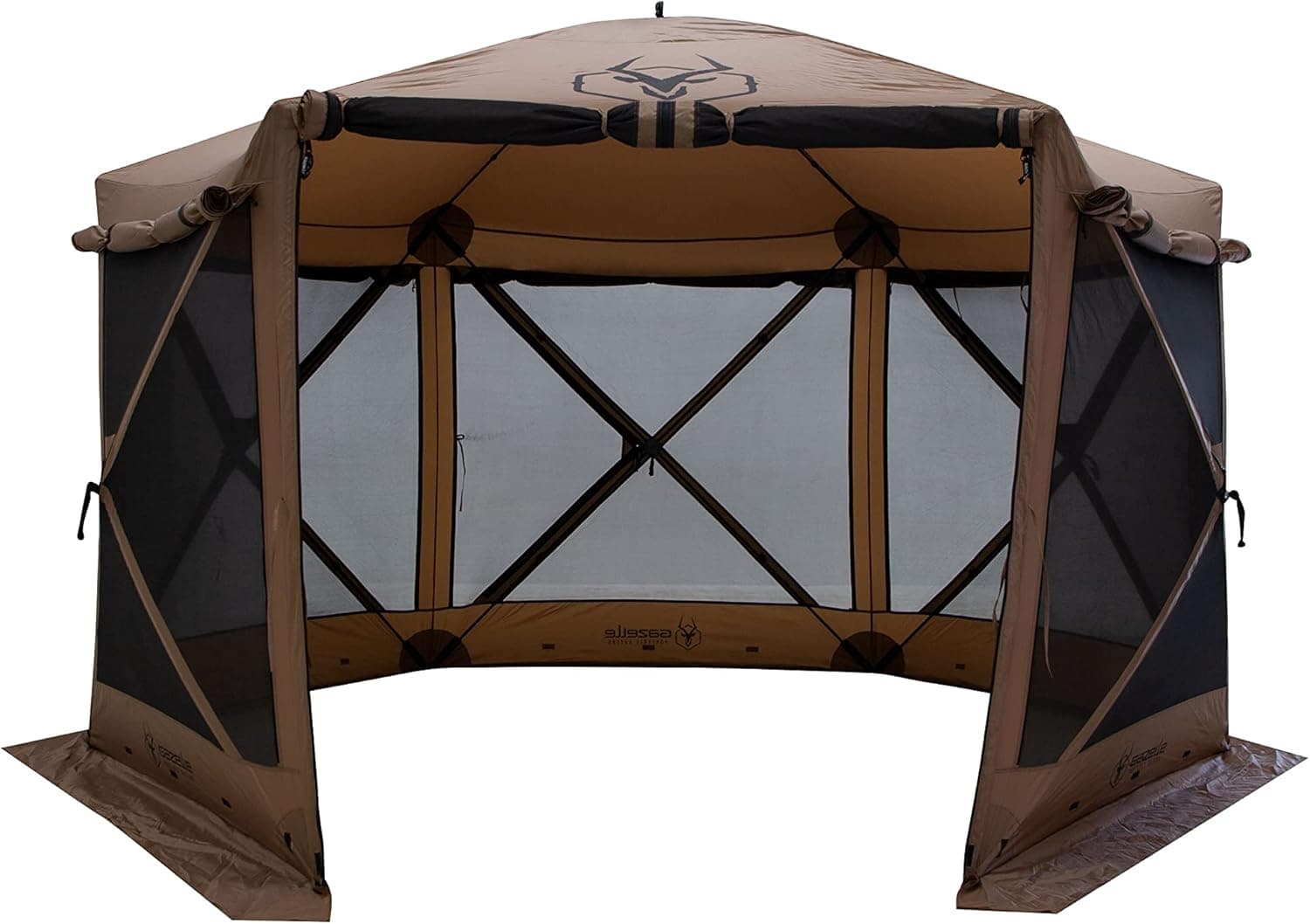
+ Included wind panels block gusts and blowing rain on exposed sites
From our guide: Best Car Awnings for Car Camping
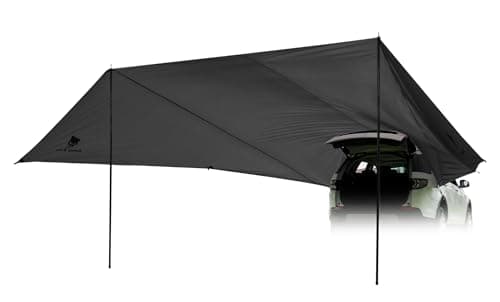
+ About 215 square feet of shade, far more covered area than a compact tailgate canopy
From our guide: Best Car Awnings for Car Camping
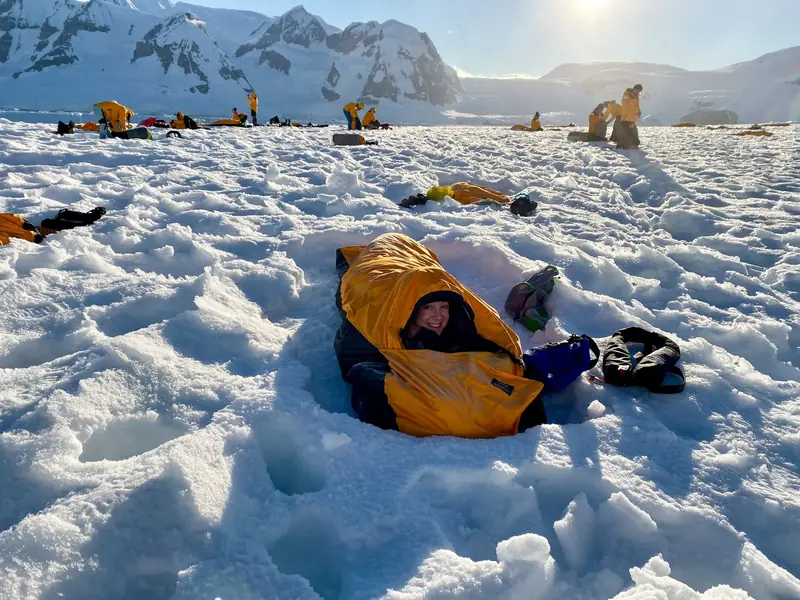
Insulation from below is the first and most important layer, and it is the one beginners most often neglect. Cold radiates up through the floor of the vehicle and pulls heat straight out of your body where you press against the pad. A sleeping pad with a high R-value, which is the measure of insulating power, blocks that loss. In genuinely cold conditions, stack two pads or add a foam layer under your main pad, because doubling up underneath does more for warmth than almost anything you can add on top.
Your sleeping bag or quilt is the next layer, and it pays to overbuy on warmth. Temperature ratings often mark the point of survival rather than comfort, so choose a bag rated a good margin colder than the forecast low. If your bag is marginal, a liner adds several degrees, and layering a blanket over the top adds more. Loft is what traps heat, so fluff your bag before bed and avoid compressing the insulation by wearing too many bulky clothes inside it.
What you wear to bed matters as much as the bag. A dry, warm base layer, clean dry socks, and a hat make an enormous difference, since a lot of heat escapes through your head. The critical rule is to be dry, because damp clothing from the day's sweat will chill you all night. Change into dedicated sleep clothes that never leave the sleeping bag, and never go to bed cold hoping to warm up, because you will not. Do a few jumping jacks or drink something warm first to start the night with heat to spare.
Insulating the vehicle itself amplifies everything else. Window covers made of reflective foam slow the heat loss through glass, which is the single biggest weak point. Reducing the air space you have to keep warm helps too, so if you are alone in a large SUV, a blanket hung behind the front seats shrinks your sleeping area to something your body heat can hold. Every barrier between you and the cold glass and metal buys you warmth.
Small tactics add up on the coldest nights. A hot water bottle filled before bed and tucked into the bottom of your sleeping bag radiates heat for hours and keeps your feet warm, which helps you fall asleep. Eating a solid dinner with some fat gives your body fuel to generate heat overnight. Keep tomorrow's clothes inside your bag so they are warm when you dress, and keep a warm layer within reach in case you wake up cold.
Never use a fuel-burning heater or run the engine in a closed vehicle for warmth, because carbon monoxide is silent and deadly. The whole point of a good insulation system is that you do not need combustion inside your sleeping space. Build the layers from the ground up, stay dry, insulate the windows, and warm the bag before you get in, and cold nights become something you look forward to rather than endure.
Popular right now
- Fall Car Camping: How to Plan and What to PackArticle
- Keeping Cool When Camping in Hot WeatherArticle
- Best Portable Camping Sinks for Car CampingBuying guide
- Tailgate tent explainedGlossary
- Safety Tips for Sleeping in Your CarArticle
- Best Camping Cookware SetsBuying guide
Based on the last 28 days of search and visitor data.