Why Your Air Mattress Goes Flat Overnight
Published How we research
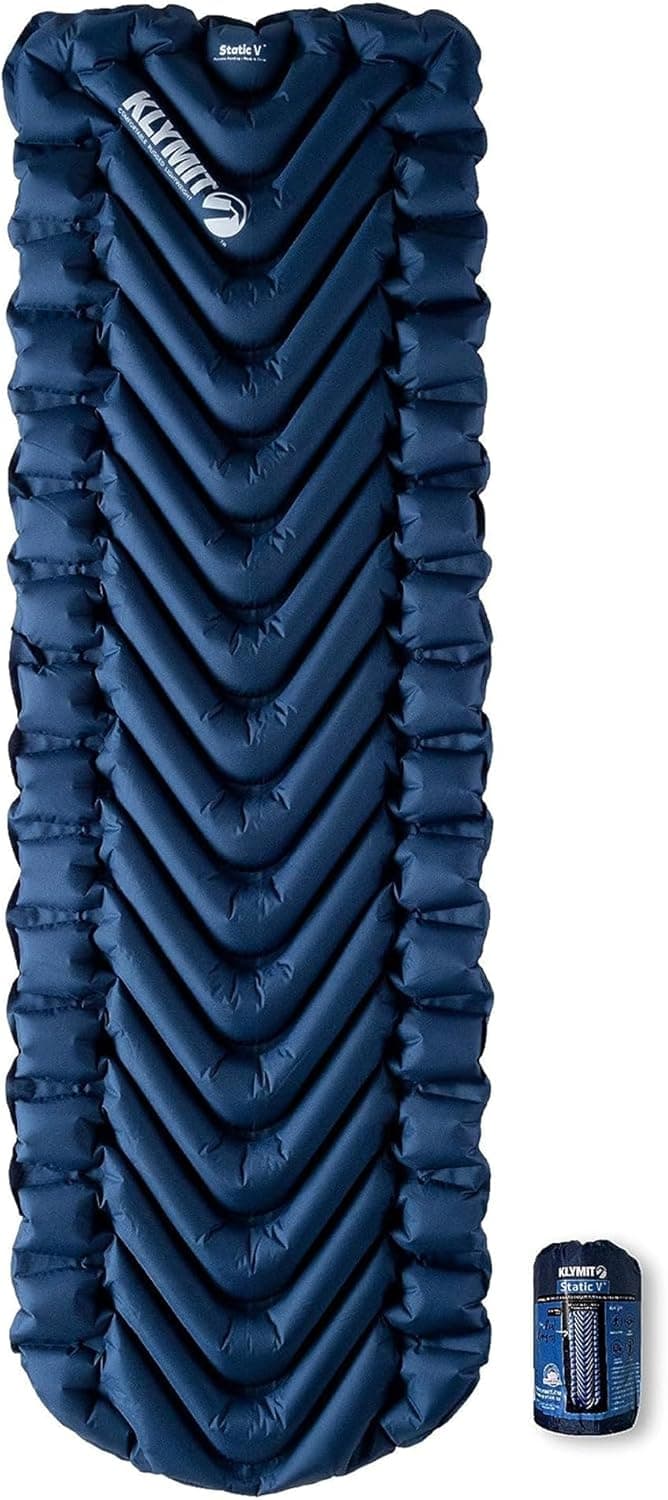
Waking up on the car floor after inflating a mattress the night before is frustrating, but it does not always mean a hole. Air contracts as it cools and new mattresses stretch. Before hunting for a puncture, rule out the causes that make every air mattress feel softer by morning.
Products from this article
The highest-scoring picks from the buying guides this article links to. Scores are our editorial assessment, not customer ratings.
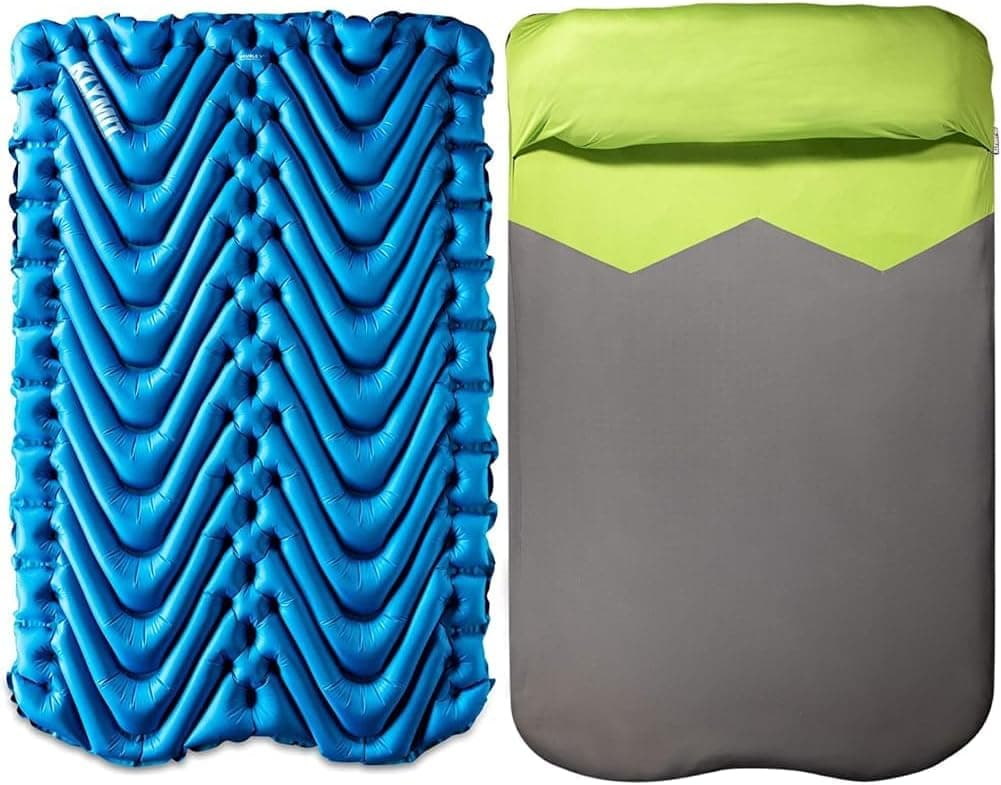
+ Two-person width lets couples share one pad without a gap in the middle
From our guide: Best SUV Air Mattresses for Car Camping
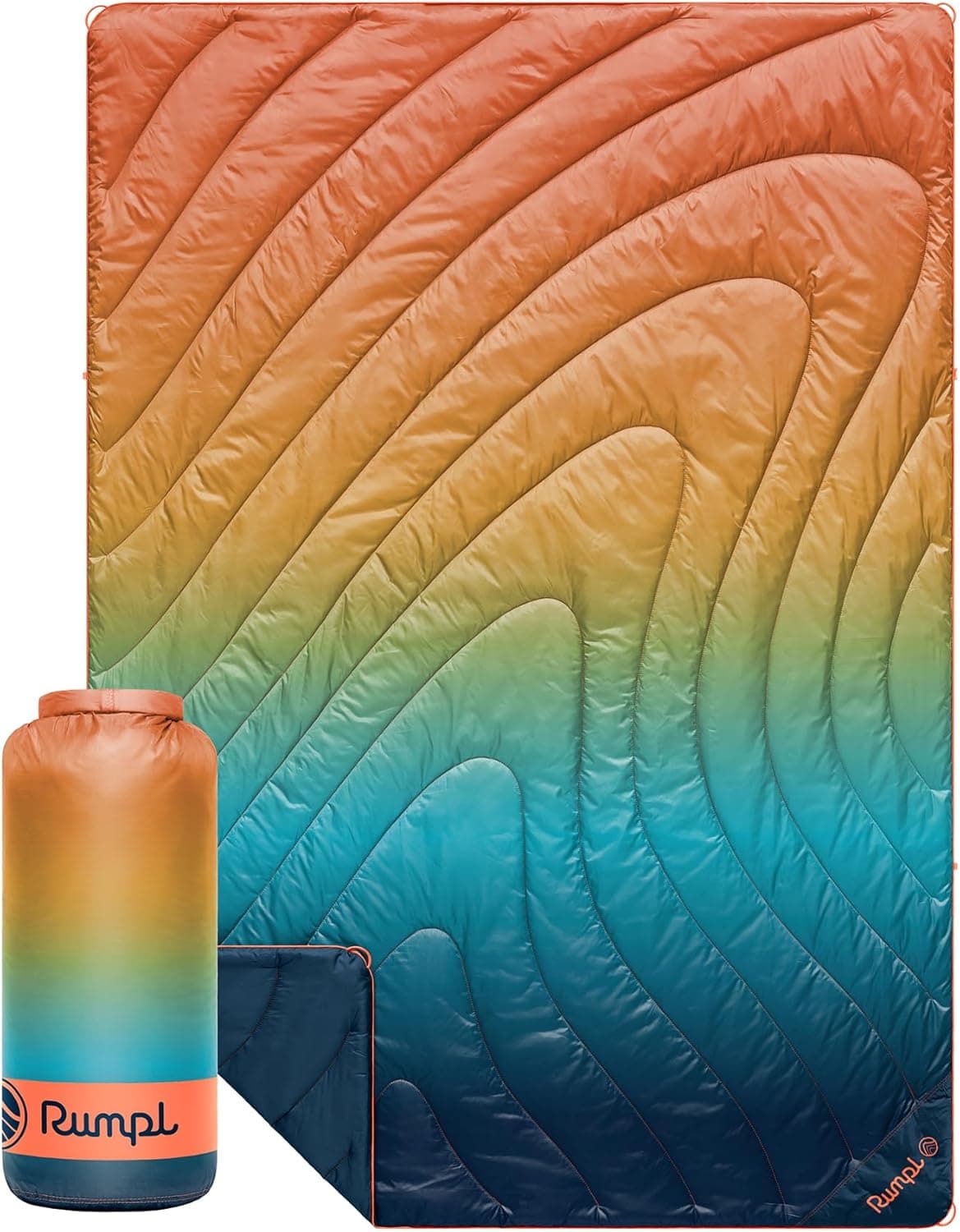
+ Puffy insulation traps warmth like a sleeping bag
From our guide: Best Camping Blankets for Car Camping
+ Comfort Plus adds more cushioning than the Camp and Camp Plus mats
From our guide: Best SUV Air Mattresses for Car Camping
+ 30F rating gives real warmth for cool camping nights
From our guide: Best Camping Blankets for Car Camping



Cold air takes up less space
Air inflated in a warm car or with warm breath shrinks noticeably as the night cools. A mattress pumped firm at 70°F can feel much softer by a 40°F dawn without losing any air at all. The bigger the temperature drop, the flatter it feels.
Inflate the mattress after the car has cooled toward night-time temperature, then top it up just before sleeping. A small rechargeable pump makes a quick top-up easy without getting out of your sleeping bag for long.
New mattresses stretch at first
PVC and vinyl air mattresses stretch during the first few uses, so the same amount of air feels softer each night until the material settles. This is normal and not a leak.
Before a trip, inflate a new mattress fully at home and leave it for a day or two, topping it up as needed. By the time you camp, most of the initial stretch will have happened.
How to find a real leak
If the mattress goes soft even when the temperature stays steady, check the valve first. Make sure the cap is fully seated, the valve is clean and any inner flap is not folded. Many so-called leaks are simply valves not closed properly.
To find a puncture, inflate firmly, then brush soapy water over seams, the valve area and any surfaces that touched the car floor. Watch for bubbles. Circle the spot with a marker, let the mattress dry and deflate it before patching.
Patching and preventing punctures
Use the patch kit supplied or a vinyl repair patch, cleaning and drying the area first and pressing the patch firmly while it cures for the time on the package. Seam leaks are harder to fix and often mean the mattress is near the end of its life.
Prevent new punctures by laying a moving blanket, foam pad or rug in the cargo area to cover seat hinges, latches and gear. Sweep out grit and remove sharp items before inflating.
When a pad is the better choice
On cold trips an uninsulated air mattress also pulls heat from your body, even when fully inflated. An insulated sleeping pad with a suitable R-value, or a foam pad layered on top of the mattress, keeps you warmer.
Self-inflating and foam pads cannot go flat in the night the way a large air chamber can, which makes them a reliable backup for shoulder-season trips.
Popular right now
- Fall Car Camping: How to Plan and What to PackArticle
- Keeping Cool When Camping in Hot WeatherArticle
- Best Portable Camping Sinks for Car CampingBuying guide
- Tailgate tent explainedGlossary
- Safety Tips for Sleeping in Your CarArticle
- Best Camping Cookware SetsBuying guide
Based on the last 28 days of search and visitor data.