Building a Simple Sleeping Platform
Published How we research
A sleeping platform creates a flat, level bed on top while opening organized storage underneath, typically a sheet of plywood at a height that clears your storage bins with margin while leaving headroom to sit up. Measure your specific vehicle carefully, folding seats and noting wheel wells and floor level changes, using a cardboard template to avoid cutting mistakes. A simple slat frame distributes weight, and a modular or two-piece design makes it easier to fit through doors and remove. Sliding bins or drawers underneath let you access gear without climbing over the bed. Sand edges and pad the top surface for comfort, then refine the design over time as you learn what you need. A sleeping platform is the upgrade that most transforms a vehicle from a place you can sleep into a place you sleep well, and it solves two problems at once. On top, it creates a flat, level bed that ignores the lumps and slopes of folded seats. Underneath, it opens up a large, organized storage area that keeps your gear out of your living space. You do not need advanced carpentry skills to build one, and a simple, sturdy platform is a satisfying weekend project that pays off on every trip afterward.
Products from this article
The highest-scoring picks from the buying guides this article links to. Scores are our editorial assessment, not customer ratings.
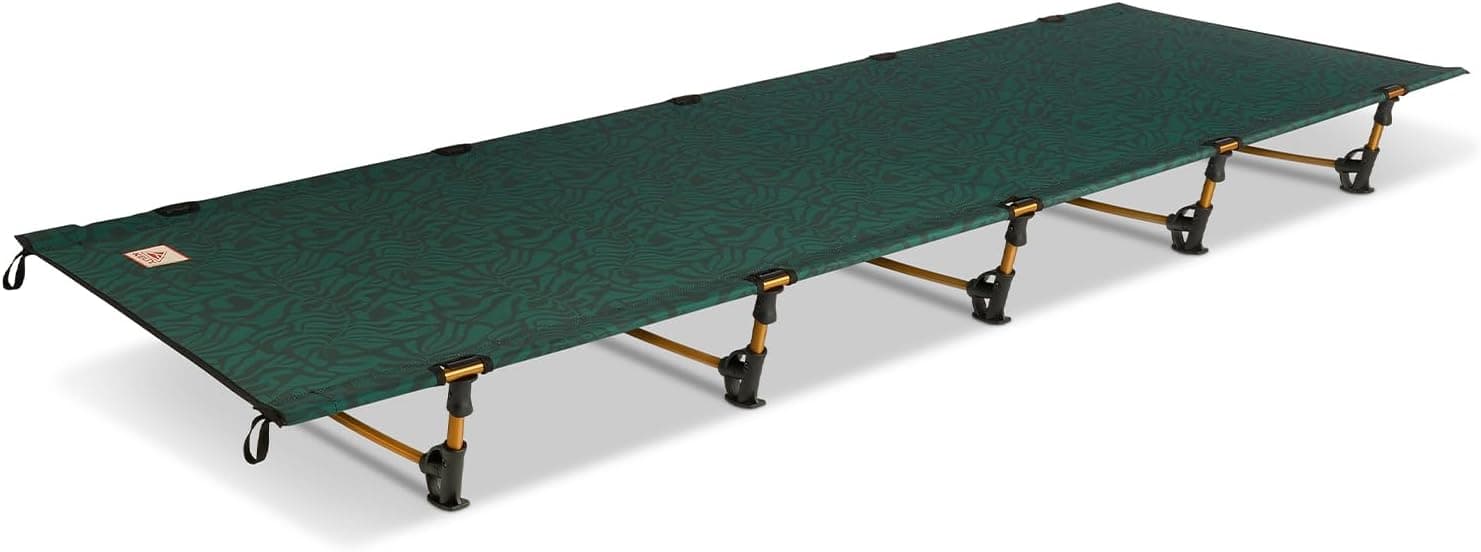
+ Convertible legs let you choose tall or low height
From our guide: Best Camping Cots
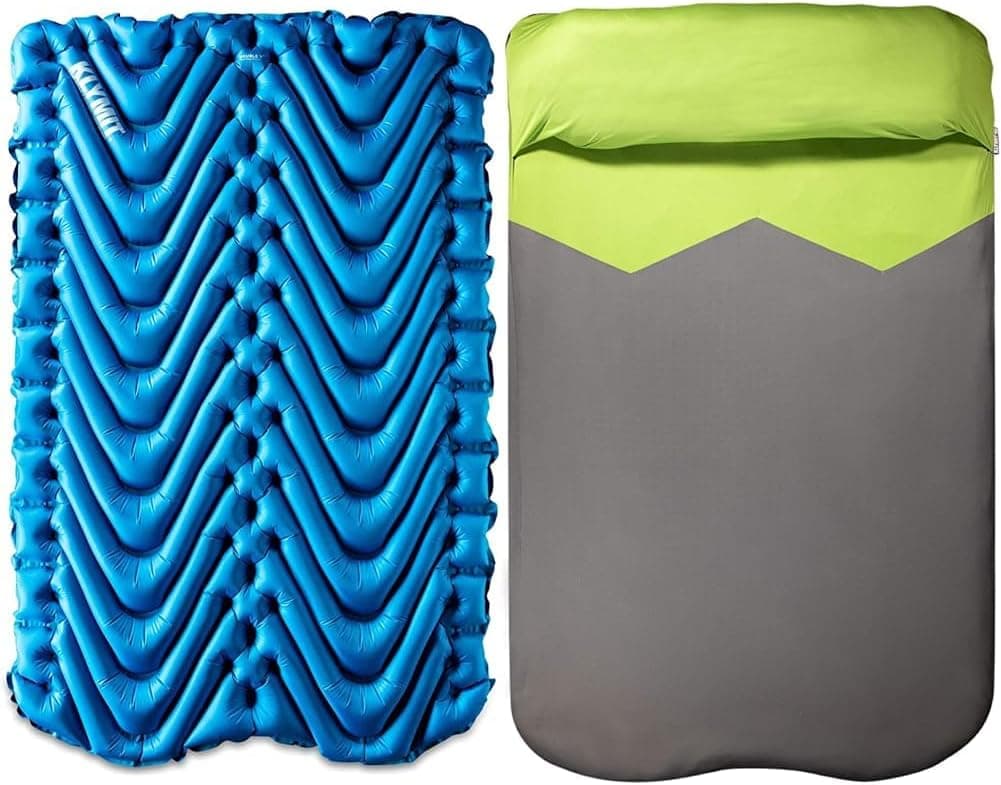
+ Two-person width lets couples share one pad without a gap in the middle
From our guide: Best SUV Air Mattresses for Car Camping
+ 9x18 ft size covers a large camp area in front of an RV or tent
From our guide: Best Camping Outdoor Rugs
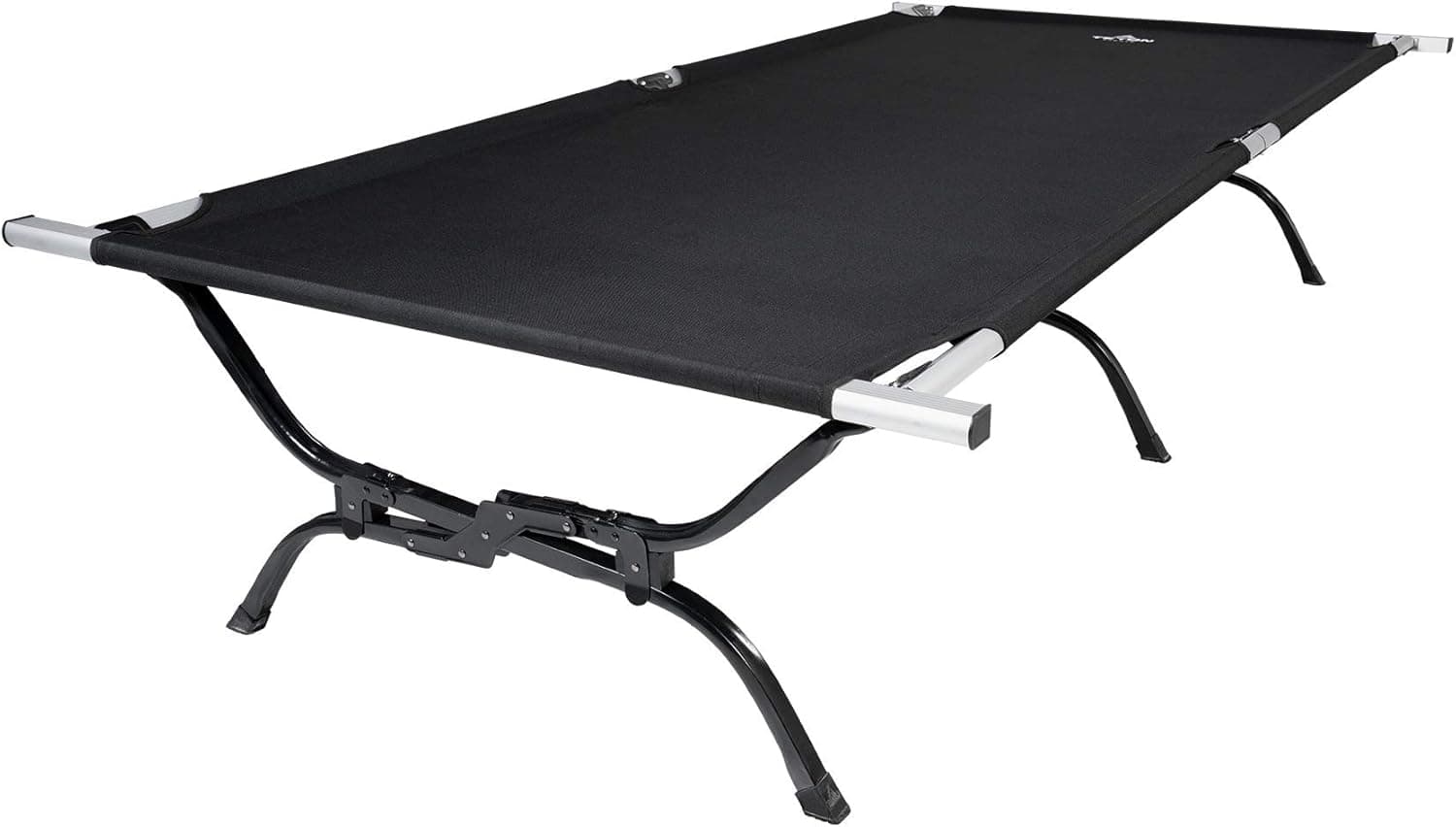
+ XXL size gives big and tall campers plenty of room
From our guide: Best Camping Cots

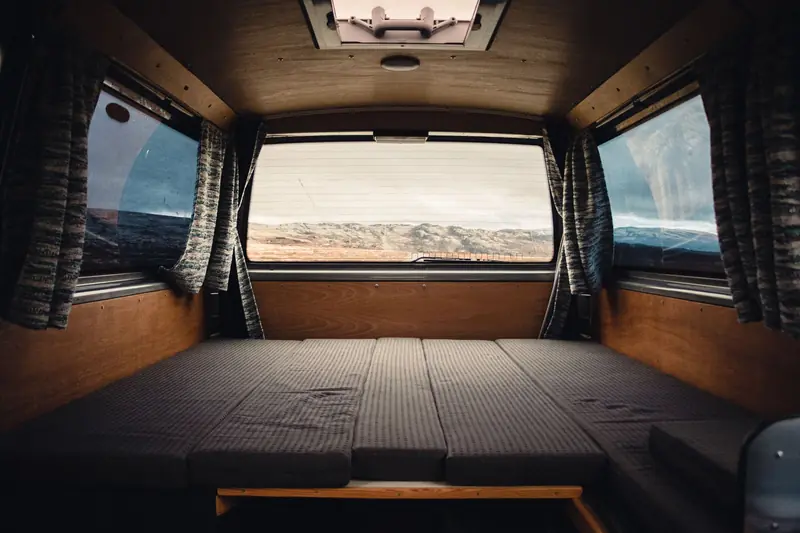
The concept is straightforward: a flat surface at the right height
The concept is straightforward: a flat surface, usually a sheet of plywood, supported at a height that leaves usable storage beneath it while still giving you enough headroom to sit up comfortably. Getting that height right is the key design decision, and it is a balance. Too high and you cannot sit up or the bed feels cramped against the ceiling. Too low and your storage bins will not fit underneath. Measure your bins first, then set the platform height to clear them with a little margin, and check that you still have room to sit up on top.
Measuring your specific vehicle is where the project begins
Measuring your specific vehicle is where the project begins and where care pays off. Fold your seats down and measure the length, width, and the various heights and contours of the cargo area, noting where the wheel wells intrude and where the floor changes level. A platform rarely fits a simple rectangle, so you will often cut notches for the wheel wells and design the supports to sit on the flattest, strongest parts of the floor. A cardboard template of the floor shape, traced and transferred to the plywood, saves you from expensive cutting mistakes.
The structure itself can be simple and still be strong
The structure itself can be simple and still be strong. A frame of wooden slats or a lattice of supports beneath the plywood distributes your weight and keeps the surface from flexing, and legs or crossbars carry the load to the floor. Keep the design modular if space and access matter, since a platform that comes apart or has a removable section is far easier to fit through the doors and to remove when you want your cargo space back. Many builders make the top in two pieces so it is manageable to lift and to store.
Storage underneath is where thoughtful design earns its keep
Storage underneath is where thoughtful design earns its keep. Sliding bins or drawers that pull out from the tailgate let you reach your gear without climbing over the bed, which is the whole point of the raised design. Sizing the space to standard storage bins means you can buy containers that fit exactly and slide smoothly, and dividing the under-platform area into sections keeps categories of gear separated. A drawer system is more work to build but transforms daily access, letting you reach the kitchen or tools without unpacking anything.
Comfort and finish turn a functional platform into a pleasant one
Comfort and finish turn a functional platform into a pleasant one. Sand the edges and corners so you do not catch clothing or skin on them, and consider carpeting or padding the top surface both to protect your sleeping pad and to quiet the hollow sound of bare plywood. A thick foam mattress or a good pad on top provides the actual sleeping comfort, since the platform only supplies a flat, firm base. Rounding the corners and softening the edges makes the whole build feel finished rather than like a raw box.
Start simple on your first build and refine over time
Start simple on your first build and refine it over time. A basic flat platform with a couple of bins underneath already delivers most of the benefit, and you can add drawers, dividers, and finishing touches once you have lived with it and learned what you actually need. Building your own also means you can tailor every dimension to your vehicle and your gear in a way no off-the-shelf product can match. Once you have slept on a level surface with your gear tucked neatly below, the cramped, lumpy nights of a bare cargo area become a thing of the past.
Frequently asked questions
How high should a car camping sleeping platform be? High enough to clear your storage bins underneath with a little margin, but low enough that you can still sit up comfortably on top; measure your bins first, then set the platform height around them.
What material is best for a DIY car sleeping platform? A sheet of plywood supported by a frame of wooden slats or a lattice of supports that distributes weight and keeps the surface from flexing, with legs or crossbars carrying the load to the floor.
How do you fit a sleeping platform around wheel wells? Measure the cargo area's length, width, and contours, noting where wheel wells intrude, then use a cardboard template traced from the floor shape to cut notches accurately before cutting the plywood.
Should a car sleeping platform be built in one piece? A modular or two-piece design is often better, since it's easier to fit through the doors and to remove when you want your cargo space back for other uses.
Popular right now
- Fall Car Camping: How to Plan and What to PackArticle
- Keeping Cool When Camping in Hot WeatherArticle
- Best Portable Camping Sinks for Car CampingBuying guide
- Tailgate tent explainedGlossary
- Safety Tips for Sleeping in Your CarArticle
- Best Camping Cookware SetsBuying guide
Based on the last 28 days of search and visitor data.