Car Camping for Beginners
Published How we research
Car camping is the friendliest way to get into sleeping outdoors because your vehicle carries the weight, shelters you from weather, and gets you home if a night goes sideways. You do not need a roof tent, a custom build, or thousands of dollars of gear to start. A folded-flat back seat, a sleeping pad, a warm bag, and a plan for where to park will get you through your first trip in good shape.
Products from this article
The highest-scoring picks from the buying guides this article links to. Scores are our editorial assessment, not customer ratings.
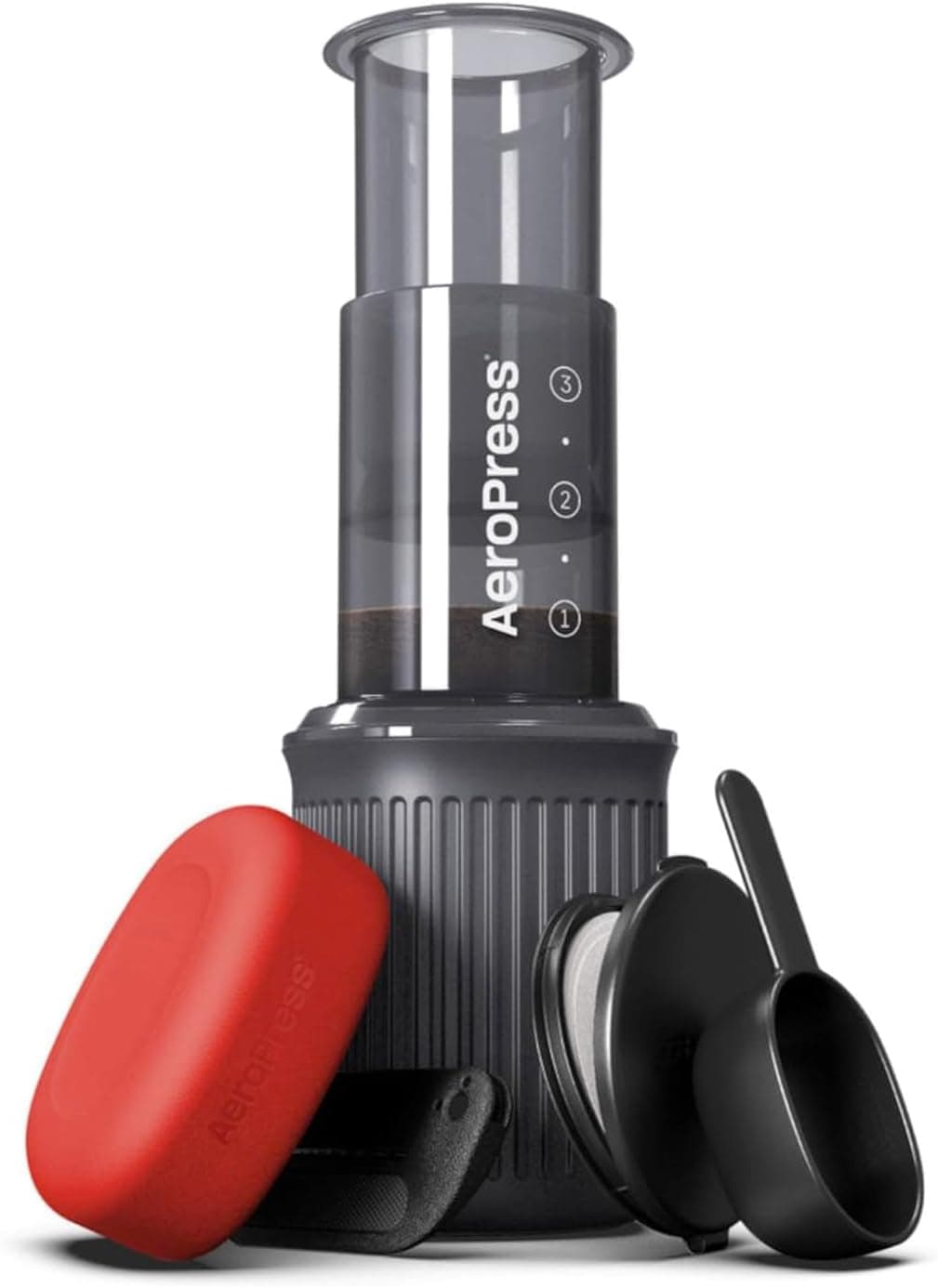
+ Everything packs inside its own mug for travel
From our guide: Best Camping Coffee Gear for Car Camping
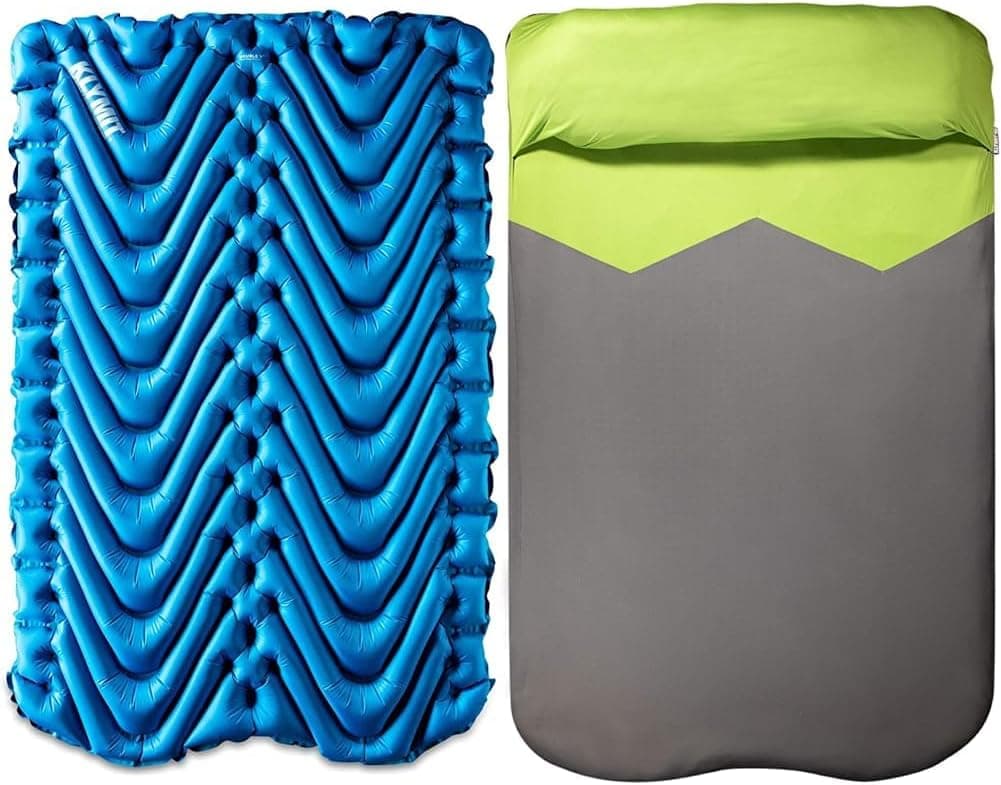
+ Two-person width lets couples share one pad without a gap in the middle
From our guide: Best SUV Air Mattresses for Car Camping
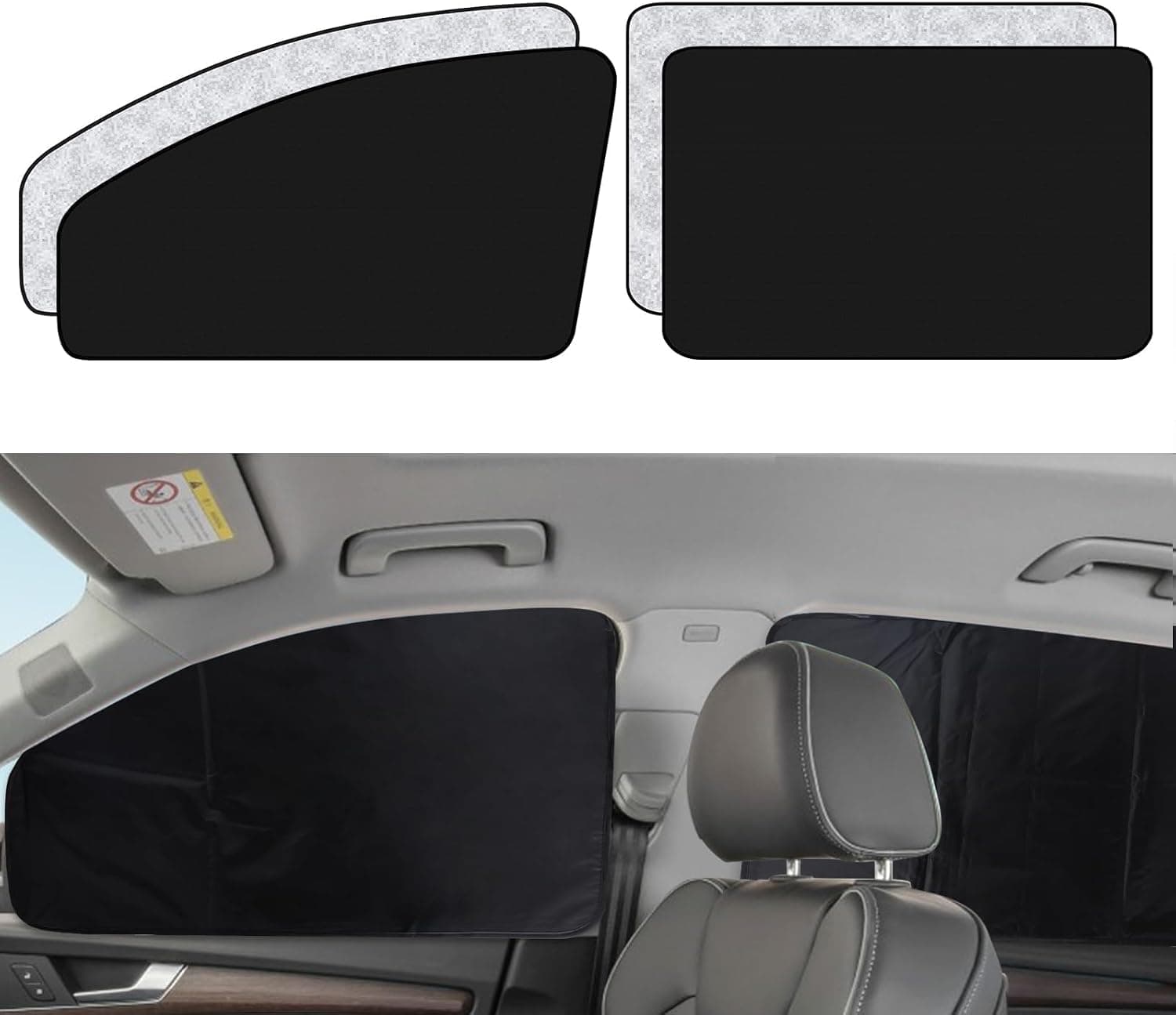
+ Magnetic frames attach and remove in seconds with no suction cups
From our guide: Best Car Window Covers for Camping Privacy
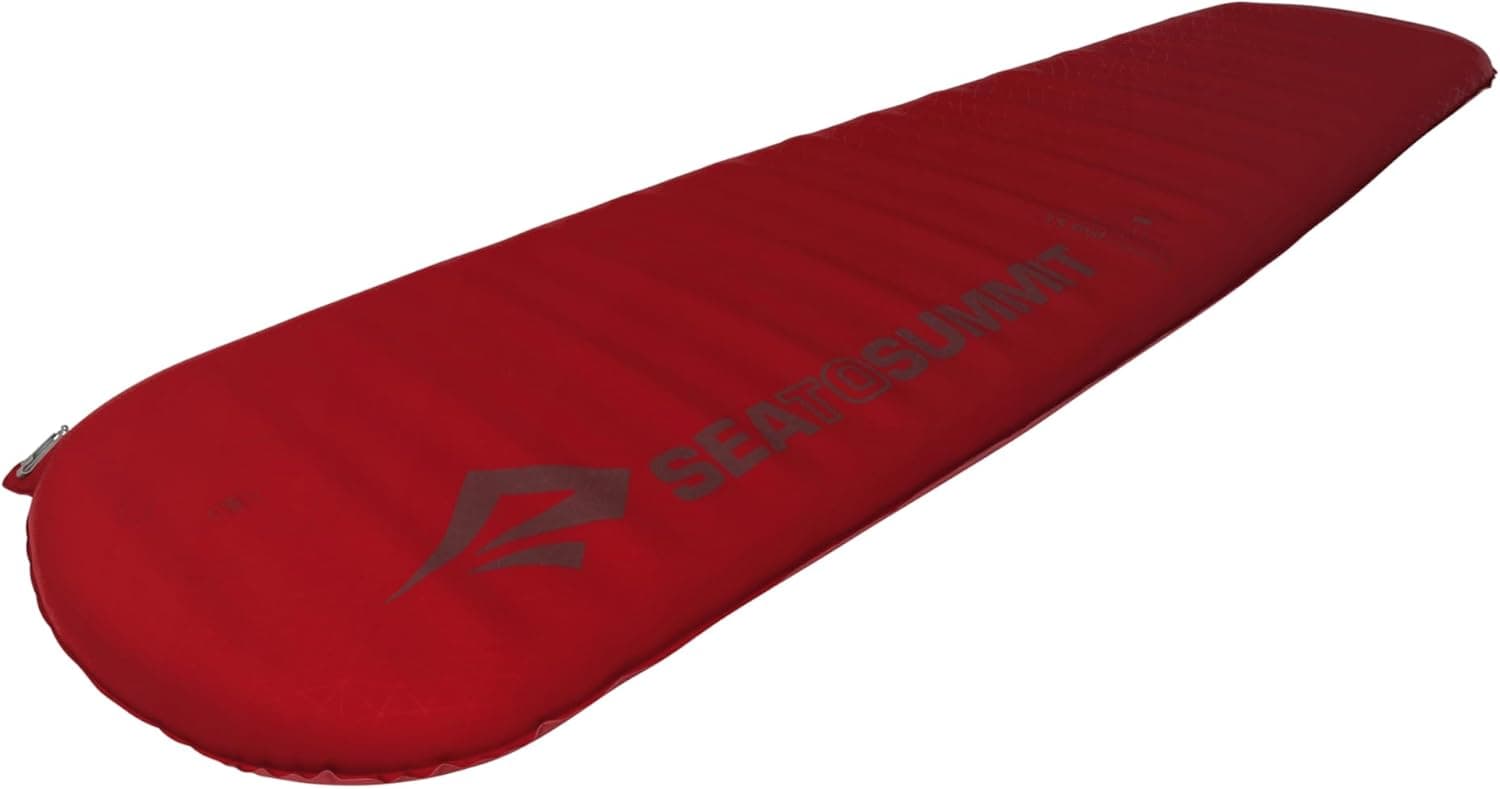
+ Comfort Plus adds more cushioning than the Camp and Camp Plus mats
From our guide: Best SUV Air Mattresses for Car Camping
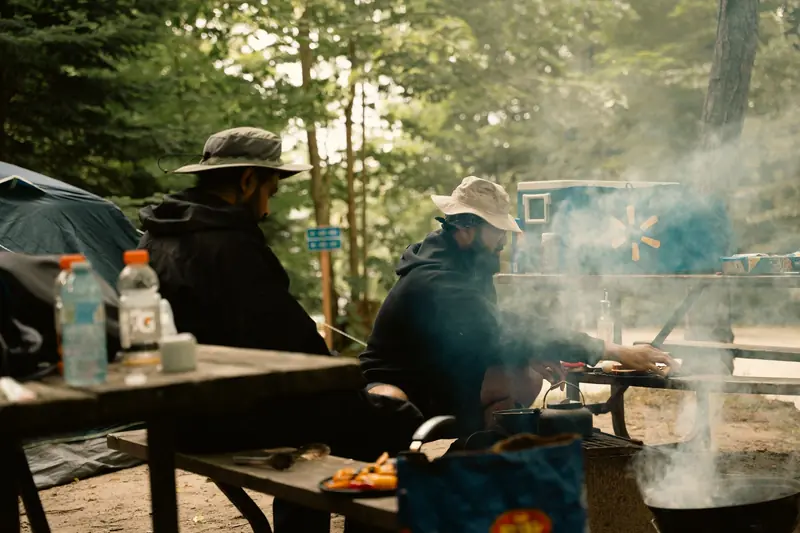
Start close to home. Your first night should be somewhere you can leave easily if you are cold, uncomfortable, or just not sleeping. A nearby campground with a bathroom is ideal because it removes the two things beginners worry about most, which are safety and where to relieve yourself at 2 a.m. Once you have one or two easy nights behind you, you will have a much clearer sense of what to improve.
Packing for a first trip is about covering the basics rather than owning the perfect item for everything. You need a sleeping surface with insulation underneath, a sleeping bag or thick blankets, water, simple food, a headlamp, a phone charger, and layers of clothing. Everything beyond that is comfort, not necessity. Resist the urge to buy a full kit before you know how you actually camp. You will make smarter purchases after your first couple of trips.
The layout inside your vehicle matters more than the gear list. Decide before dark where you will sleep, where your shoes go, where water lives, and where you will keep a light within arm's reach. Cars are small, and a pile of loose gear turns into chaos fast. A couple of soft bags and one small bin keep things findable when you cannot see.
Safety is mostly common sense. Park level so you are not sliding all night, and avoid the very bottom of a valley or a dry creek bed where cold air and water both collect. Crack windows for airflow, keep your keys in a consistent spot, and trust your gut about a location. If a spot feels wrong when you arrive, drive on and find another. There is always another spot.
Expect the first night to be imperfect, and do not let that put you off. You will forget something, discover a ridge under your pad, or wake up colder than planned. That is normal and it is how everyone learns. Keep a short note on your phone of what annoyed you, and fix one or two of those things before the next trip.
The reward comes quickly. After a few nights you stop thinking about the logistics and start noticing the good parts, which are the quiet, the freedom to stop wherever looks good, and waking up somewhere you would never normally see the sunrise. Car camping rewards people who start simple and improve steadily, so get one easy night done and let the habit build from there.
Popular right now
- Fall Car Camping: How to Plan and What to PackArticle
- Keeping Cool When Camping in Hot WeatherArticle
- Best Portable Camping Sinks for Car CampingBuying guide
- Tailgate tent explainedGlossary
- Safety Tips for Sleeping in Your CarArticle
- Best Camping Cookware SetsBuying guide
Based on the last 28 days of search and visitor data.