Choosing the Right Sleeping Pad for Your Car
Published How we research
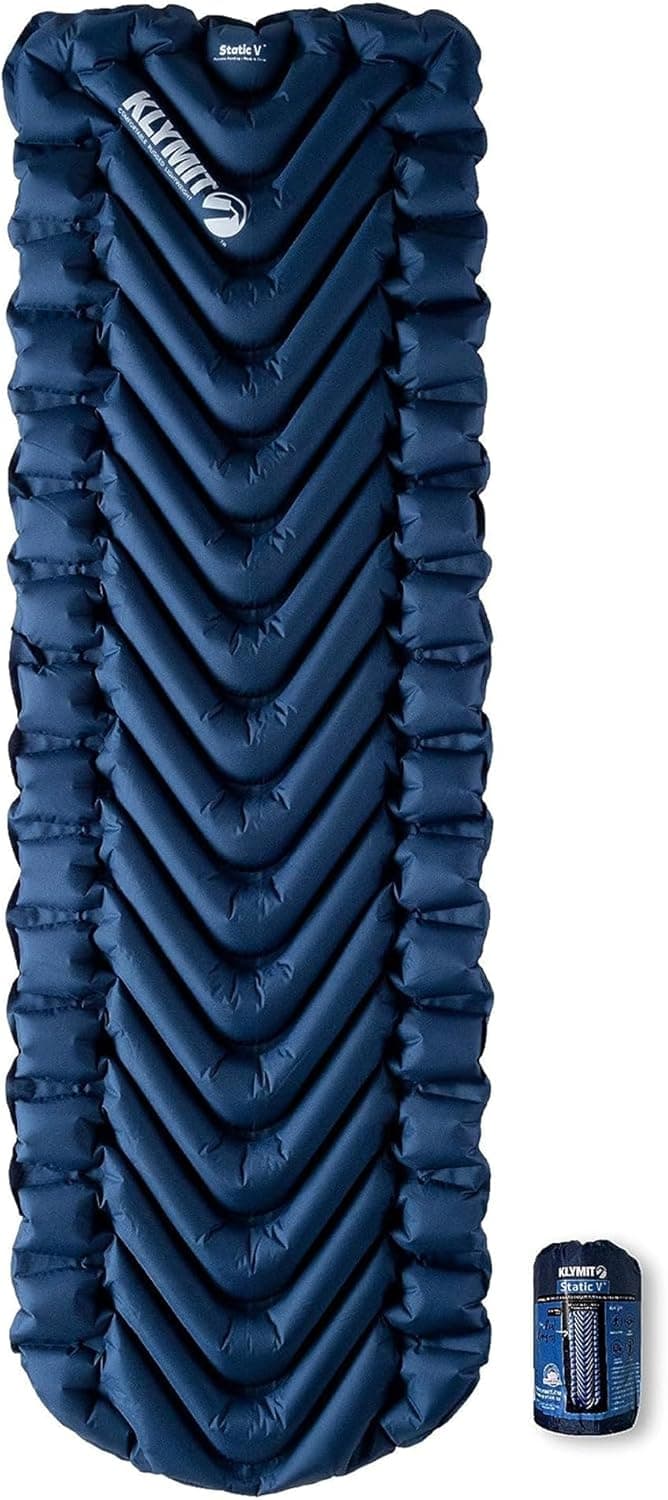
The sleeping pad is the most important piece of comfort gear in a car camping setup, and it does two jobs at once: it cushions you from a hard surface and it insulates you from the cold rising through the floor. Many people focus only on the cushioning and end up cold, or focus only on warmth and end up sore. Choosing well means understanding both roles and matching the pad to how and where you camp.
Products from this article
The highest-scoring picks from the buying guides this article links to. Scores are our editorial assessment, not customer ratings.
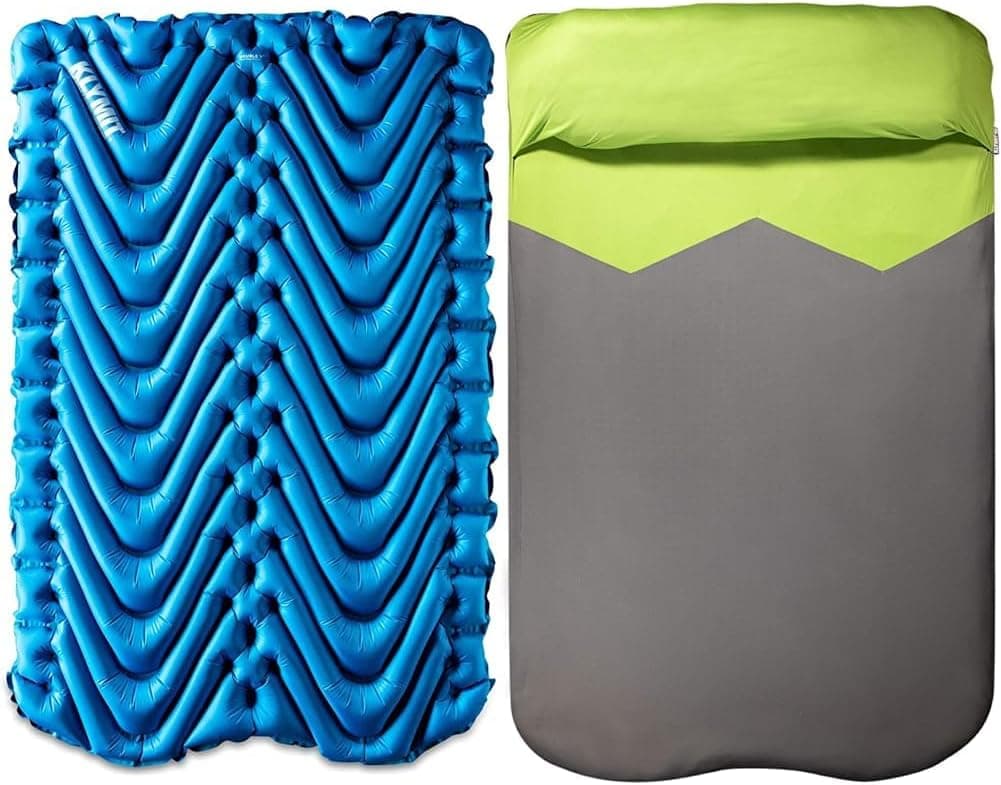
+ Two-person width lets couples share one pad without a gap in the middle
From our guide: Best Sleeping Pads for Car Camping
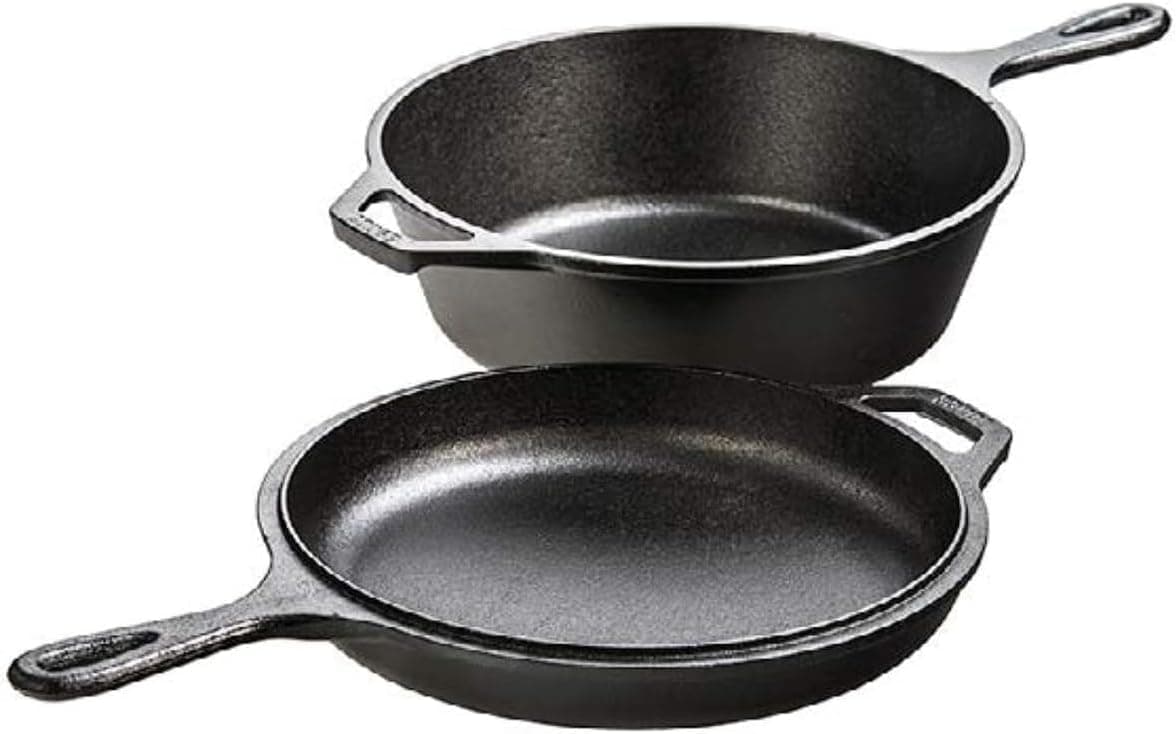
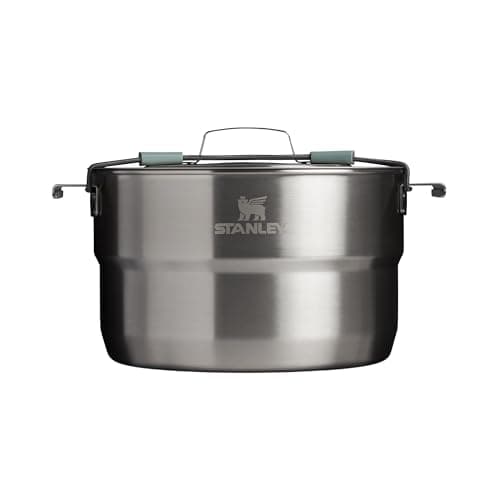
+ Combo design gives a deep pot plus a lid that doubles as a skillet
From our guide: Camp Kitchen Essentials for Car Campers
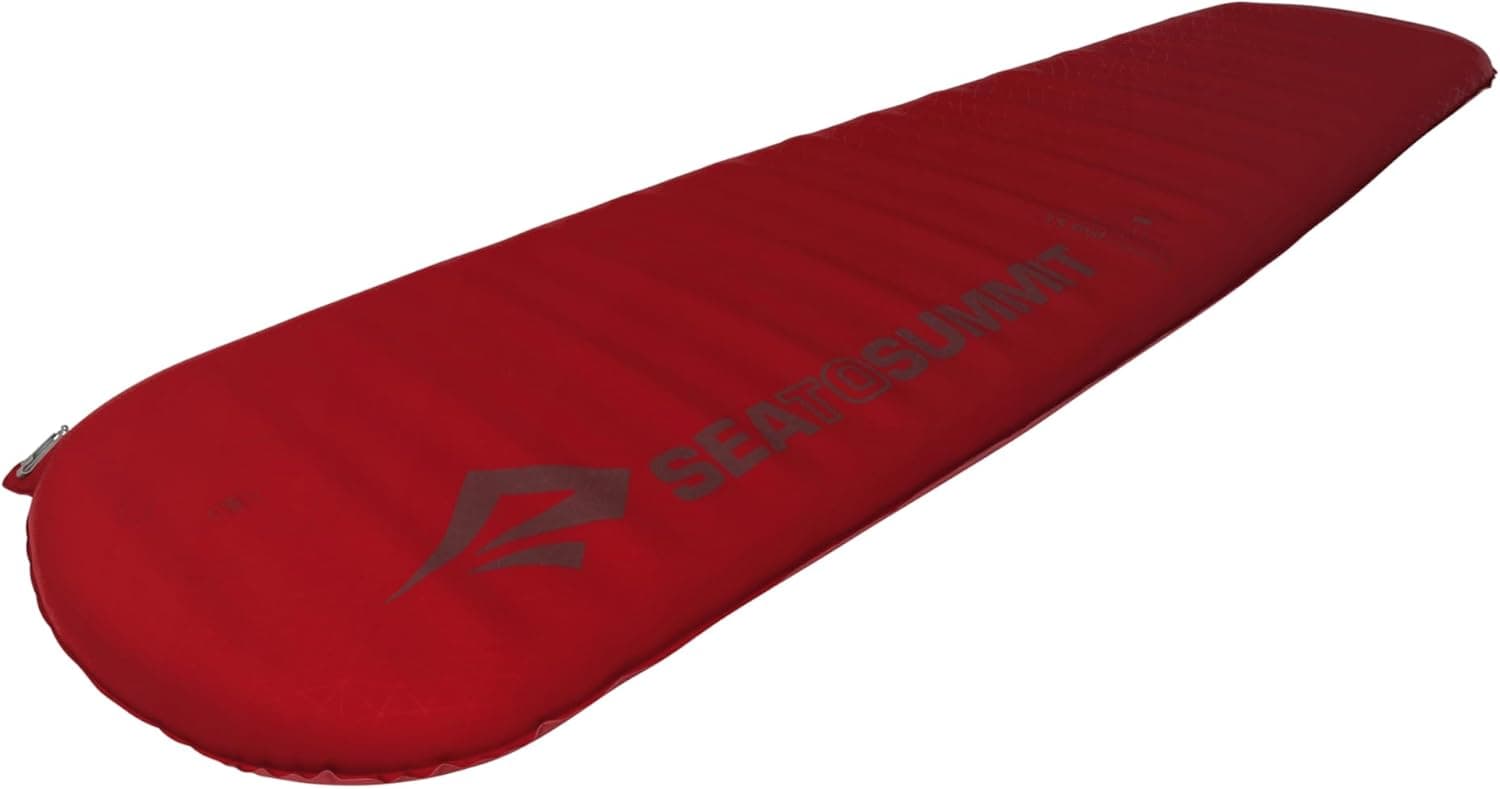
+ Comfort Plus adds more cushioning than the Camp and Camp Plus mats
From our guide: Best Sleeping Pads for Car Camping
+ 18/8 food-grade stainless steel and BPA-free construction, per the listing
From our guide: Camp Kitchen Essentials for Car Campers
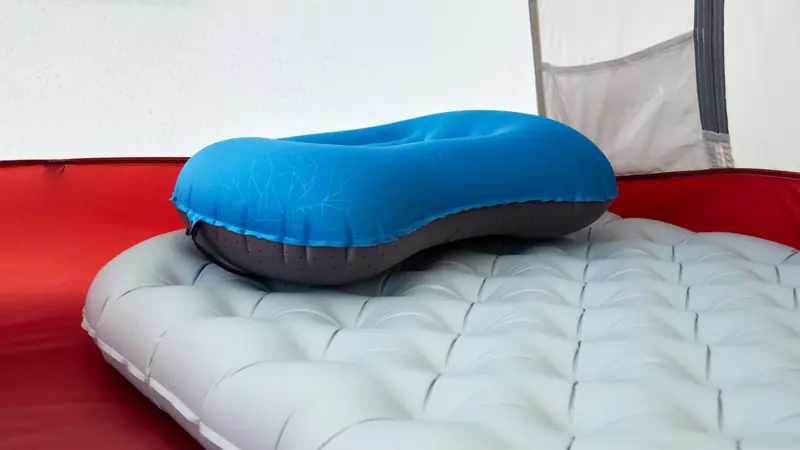
Insulation is measured by R-value, a number that describes how well the pad resists heat loss. Higher is warmer. For summer camping, an R-value around 2 is fine, but for cold or shoulder-season nights you want 4 or higher, and for winter, 5 and above. Because you are sleeping on a metal floor that conducts cold aggressively, car campers often benefit from a higher R-value than tent campers at the same temperature. When in doubt, choose warmer, because you can always vent heat but you cannot add insulation you did not bring.
Thickness and construction determine comfort, especially over the ridges and gaps of a folded seat. A thicker pad smooths out an uneven surface better and keeps you from feeling the floor, which matters more in a vehicle than on flat ground. Self-inflating pads offer a good balance of comfort, insulation, and durability, and they are forgiving of the rough surfaces inside a car. Air pads pack smaller and can be very comfortable but are more prone to punctures and can feel bouncy. Closed-cell foam pads are indestructible and cheap but thin, and they work best as a supplementary layer.
Because space is not at a premium in a vehicle the way it is in a backpack, you can prioritize comfort over packability. This is one of the real luxuries of car camping. A thick, plush pad or even a proper foam mattress that would be absurd to carry on your back is perfectly reasonable in a trunk. Many dedicated car campers use a custom-cut foam mattress topper for a genuinely bed-like surface, accepting the bulk in exchange for excellent sleep.
Fit inside your specific vehicle is easy to overlook and worth measuring for. Fold your seats down and measure the sleeping area before buying, because a pad that is too wide will curl up the sides or a too-long one will bunch at the ends. Some campers prefer two narrower pads over one wide one so each person can adjust independently and so the pads conform around the humps and gaps of the seats. Rectangular pads use the flat cargo space better than tapered mummy-shaped ones.
Durability and maintenance keep a good pad serving you for years. The interior of a vehicle has bolts, seat tracks, and hard edges that can puncture an air pad, so a groundsheet or a layer of foam underneath protects your investment. Learn to patch a pad in the field, since a slow leak on a cold night is deeply unpleasant, and carry a repair kit. Store the pad unrolled and unsealed at home so the foam keeps its loft and the valve stays healthy.
Match the pad to your climate first, your comfort preference second, and your vehicle's dimensions third. Get a high enough R-value for the coldest nights you expect, enough thickness to forgive an uneven surface, and a size that fits your sleeping area well, and you will have solved the foundation of good car camping sleep. Everything else, from the bag to the pillow, works better on top of the right pad.
Popular right now
- Fall Car Camping: How to Plan and What to PackArticle
- Keeping Cool When Camping in Hot WeatherArticle
- Best Portable Camping Sinks for Car CampingBuying guide
- Tailgate tent explainedGlossary
- Safety Tips for Sleeping in Your CarArticle
- Best Camping Cookware SetsBuying guide
Based on the last 28 days of search and visitor data.