Condensation and Ventilation When Car Camping
Published How we research
A sleeping person releases a lot of moisture, and in a sealed vehicle that warm humid air condenses on the cold glass and metal. The fix is cross-flow: crack two windows on opposite sides a centimetre or two, not just one. Use rain guards or mesh vent covers to keep a gap open in rain, keep wet gear sealed away from your sleeping area, never cook in a closed cabin, and insulate the windows so the glass stays warmer. Open the doors each morning to dry the interior. Waking up to water dripping from the ceiling or streaming down the windows is one of the most common surprises for new car campers, and it catches people off guard because the night felt dry. The cause is simple physics. A sleeping person releases a surprising amount of moisture through breathing and sweat over eight hours, and inside a sealed metal box that moisture has nowhere to go. When the warm, humid air meets the cold glass and metal of the vehicle, it condenses into water.
Products from this article
The highest-scoring picks from the buying guides this article links to. Scores are our editorial assessment, not customer ratings.
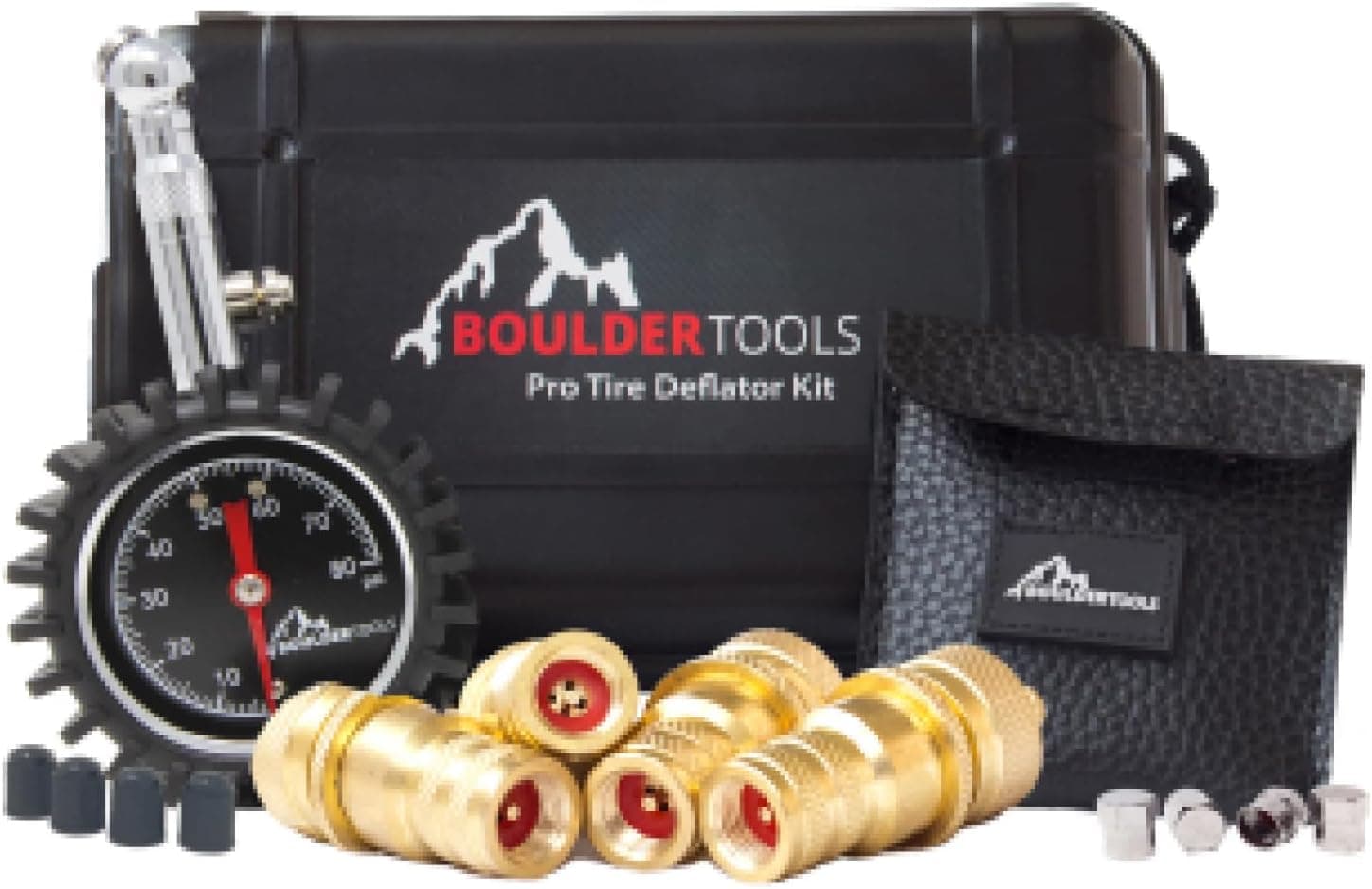
+ Rapid flow design lets air out much faster than a valve tool
From our guide: Best Tire Deflators for Off-Road and Car Camping (2026)
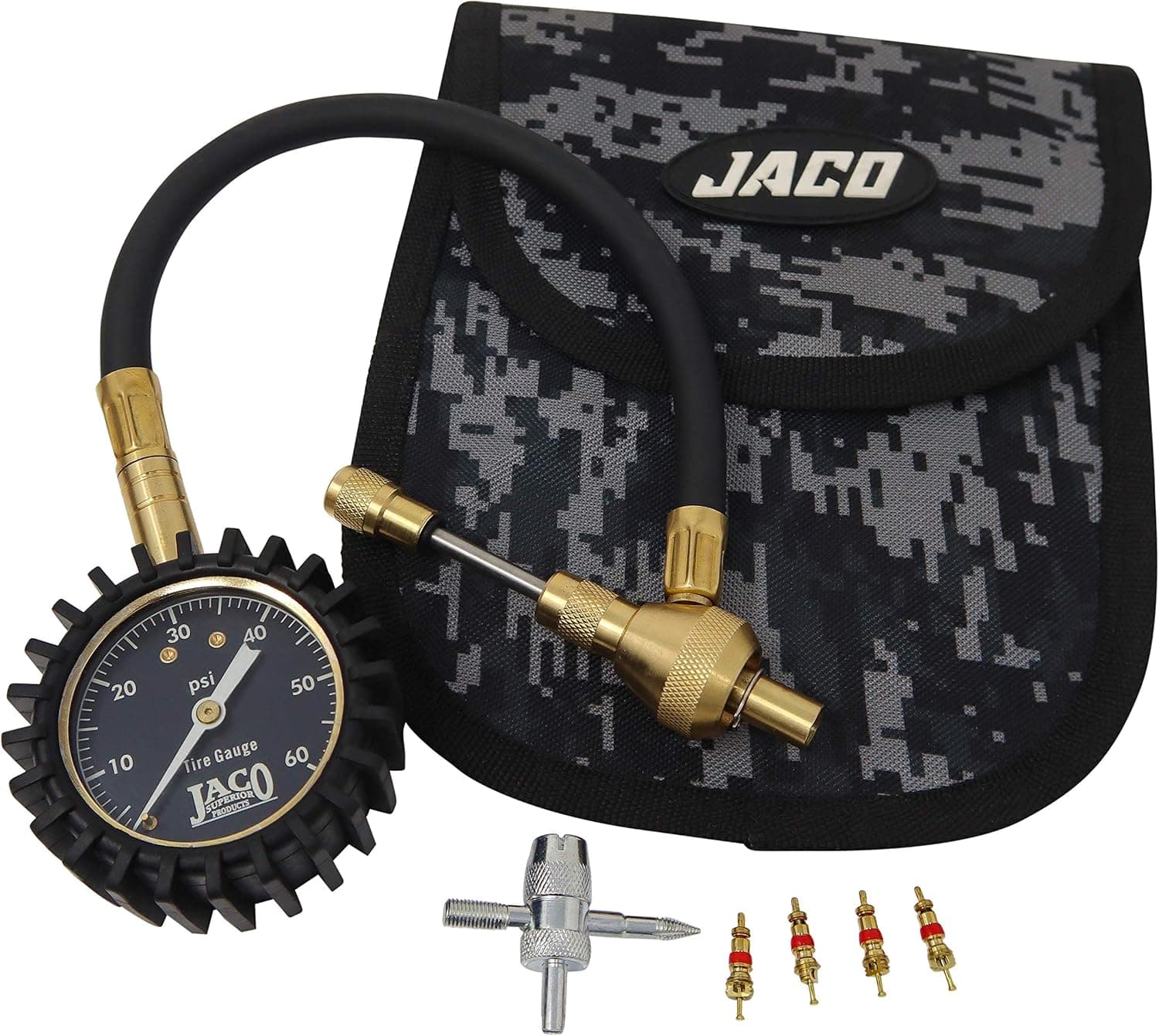
+ 12V pump draws water from a bucket or jug, no tap needed
From our guide: Best Portable Camping Water Heaters for Car Camping (2026)
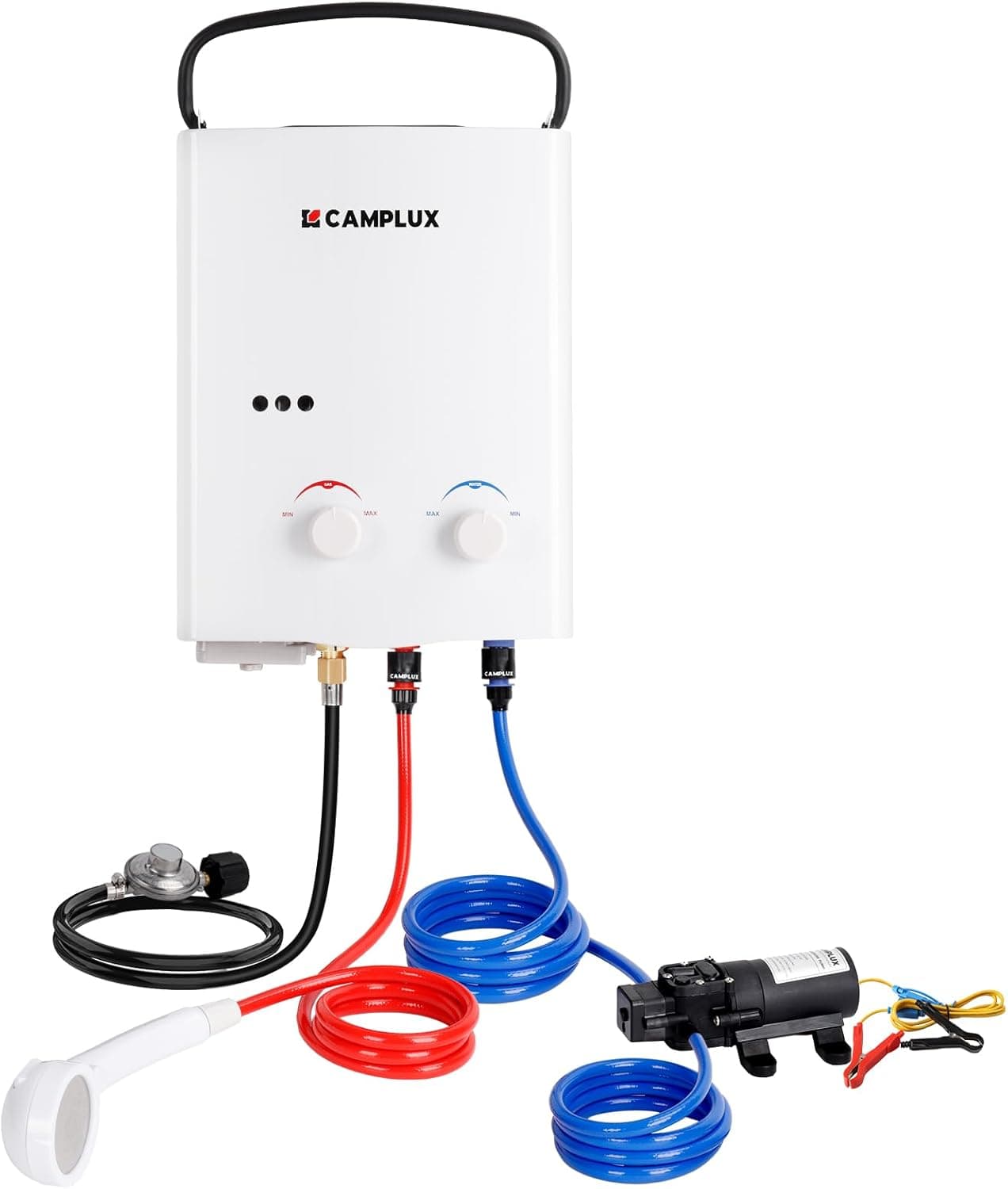
+ Magnetic frames attach and remove in seconds with no suction cups
From our guide: Best Car Window Covers for Camping Privacy
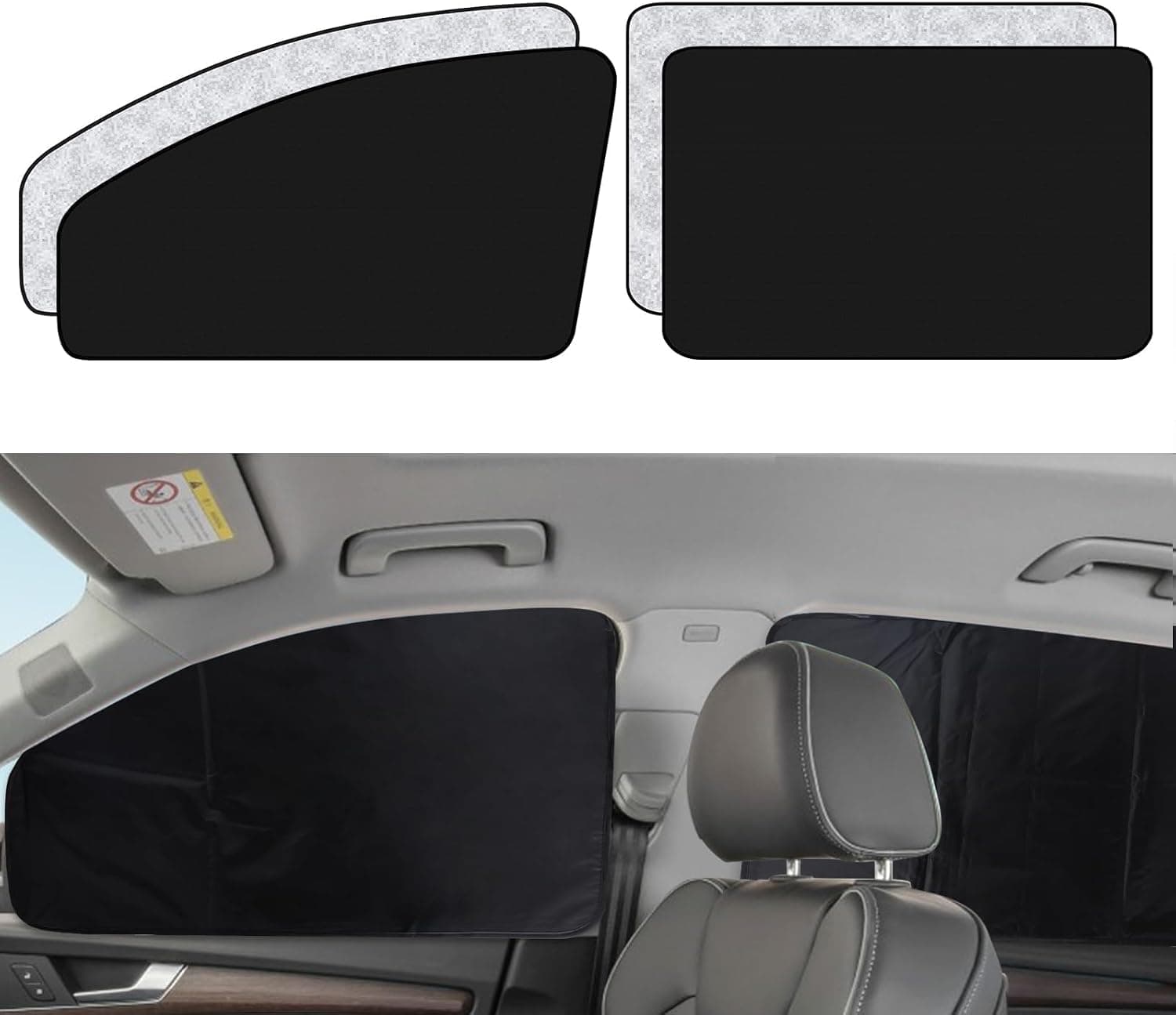
+ Automatic design stops at preset pressure without watching
From our guide: Best Tire Deflators for Off-Road and Car Camping (2026)

Why the windows drip: simple physics
The fix is airflow, and it does not take much. Cracking two windows on opposite sides of the vehicle, even just a centimeter or two, creates a gentle path for humid air to escape and drier air to enter. Cracking a single window helps less because there is no cross-flow. The goal is a slow exchange of air, not a draft, so a small gap is enough to move a lot of moisture over the course of a night.
The fix is cross-flow ventilation
Rain complicates this because you cannot leave windows fully open, but you still need ventilation. This is where a set of window rain guards or simple mesh vent covers earns its place, letting you keep a gap open without water coming in. In a pinch, cracking the windows on the sheltered side of the vehicle away from the wind, or angling the car so rain does not drive into the gap, keeps some airflow going while staying dry.
Ventilating in the rain
What you bring inside affects moisture too. Wet boots, damp jackets, and a soaked dog all add water to the air that has to go somewhere. Keep wet gear in a sealed bag or in the front footwells away from your sleeping area, and shake off or wipe down anything soaked before it comes in. Cooking inside a closed vehicle is a major moisture source as well as a serious carbon monoxide risk, so cook outside or in a well-open space, never in a sealed cabin.
What you bring inside adds moisture
Insulation on the windows reduces condensation by keeping the glass warmer. Reflective window covers or foam panels not only block light but also slow the temperature drop on the glass surface, giving moisture less cold surface to condense on. This is why a well-insulated setup often wakes up drier than a bare one, even at the same humidity.
Window insulation keeps the glass warmer
Managing condensation is partly about comfort and partly about the long-term health of your vehicle and gear. Repeated damp nights lead to that musty smell, encourage mildew in carpets and bedding, and can even promote rust in hidden spots over time. Airing out your bedding and cracking the doors open for a while each morning lets the interior dry before you pack up and move on.
Build the routine so it is automatic
Build ventilation into your routine so it becomes automatic. Crack two windows before you sleep, keep wet gear separate, cook outside, and open things up in the morning to dry. Do those four things and condensation goes from a nightly nuisance to a non-issue, and you wake up in a dry, fresh interior instead of a dripping one.
Frequently asked questions
Why do my car windows drip in the morning when camping? You release a lot of moisture through breathing and sweat over eight hours, and in a sealed vehicle that humid air condenses when it meets the cold glass and metal.
How do I stop condensation when sleeping in my car? Crack two windows on opposite sides a centimetre or two for cross-flow (one window alone helps far less), keep wet gear sealed away, cook outside, and open the doors in the morning to dry out.
How do I ventilate in the rain without getting wet? Window rain guards or mesh vent covers let you keep a gap open, or crack windows on the sheltered side away from the wind and angle the car so rain does not drive into the gap.
Do window covers help with condensation? Yes. Reflective covers or foam panels keep the glass warmer, giving moisture less cold surface to condense on, so an insulated setup often wakes up drier at the same humidity.
Popular right now
- Fall Car Camping: How to Plan and What to PackArticle
- Keeping Cool When Camping in Hot WeatherArticle
- Best Portable Camping Sinks for Car CampingBuying guide
- Tailgate tent explainedGlossary
- Safety Tips for Sleeping in Your CarArticle
- Best Camping Cookware SetsBuying guide
Based on the last 28 days of search and visitor data.