How to Sleep Comfortably in Your SUV
Published How we research
Fold your seats and lie down in daylight first to find dips and bumps, then layer: fill gaps with towels or foam blocks, add foam floor tiles, and top with a self-inflating three-season pad for insulation from cold metal below. Slide seats forward and drop seatbacks to gain length, bridging any remaining gap with a folded blanket. Bring a real pillow from home, and use a sleeping bag rated colder than the forecast with windows cracked to prevent condensation. Block light with window covers and use earplugs for noise. Test the whole setup with a practice night in the driveway before a real trip. The single biggest complaint from new car campers is a rough night of sleep, and almost every part of it comes down to the surface you lie on. Most SUV cargo areas look flat when you fold the seats down, but they rarely are. There is usually a slope toward the tailgate, a gap where the seatbacks meet the cargo floor, and a hard ridge or two hiding under the carpet. Before you buy anything, fold your seats and lie down in the space during daylight so you can see exactly where the dips and bumps fall.
Products from this article
The highest-scoring picks from the buying guides this article links to. Scores are our editorial assessment, not customer ratings.
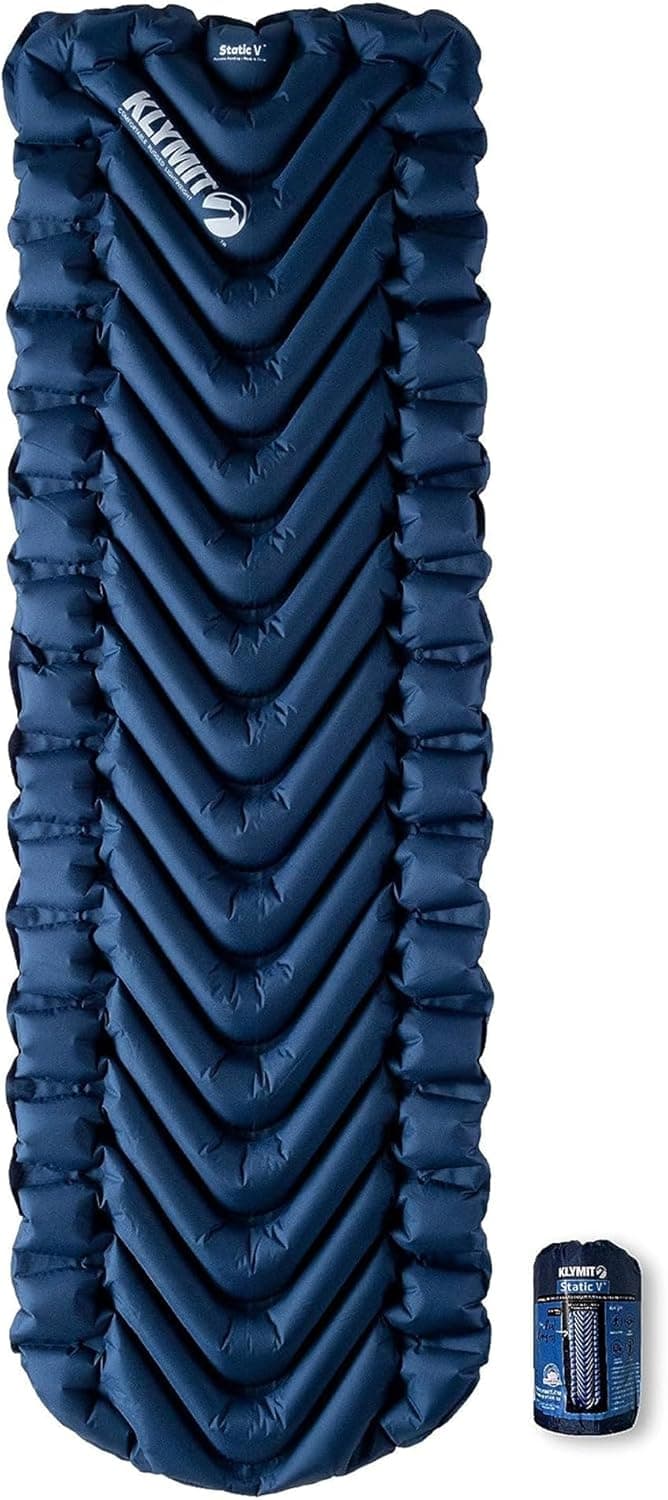
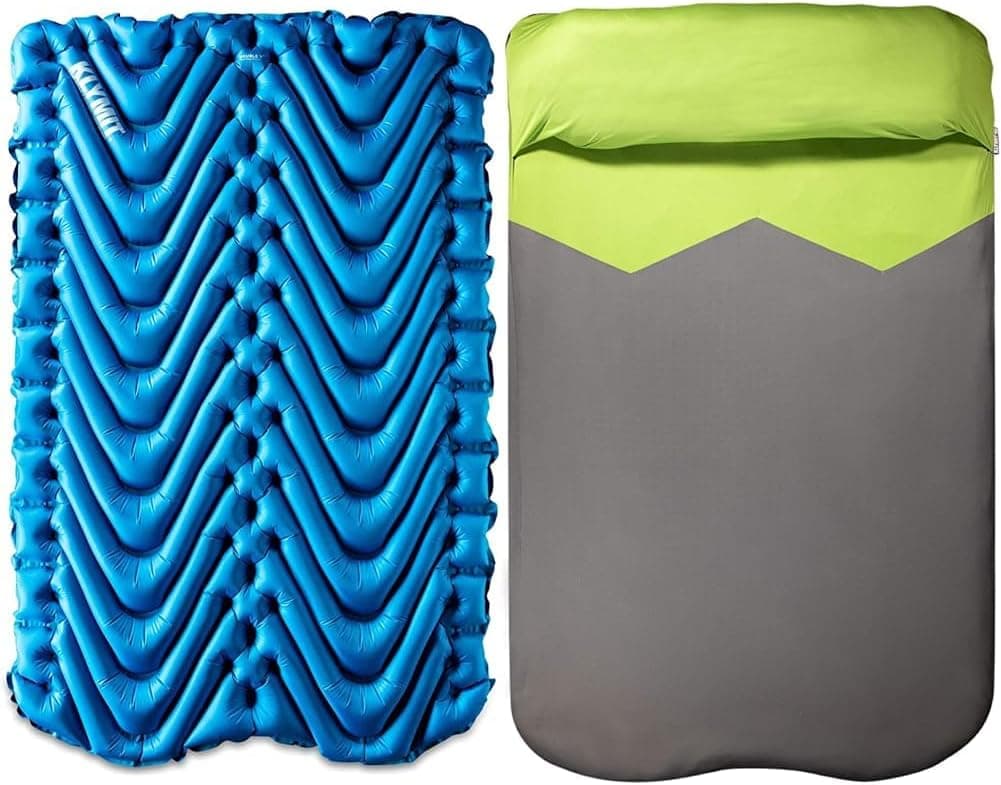
+ Two-person width lets couples share one pad without a gap in the middle
From our guide: Best SUV Air Mattresses for Car Camping
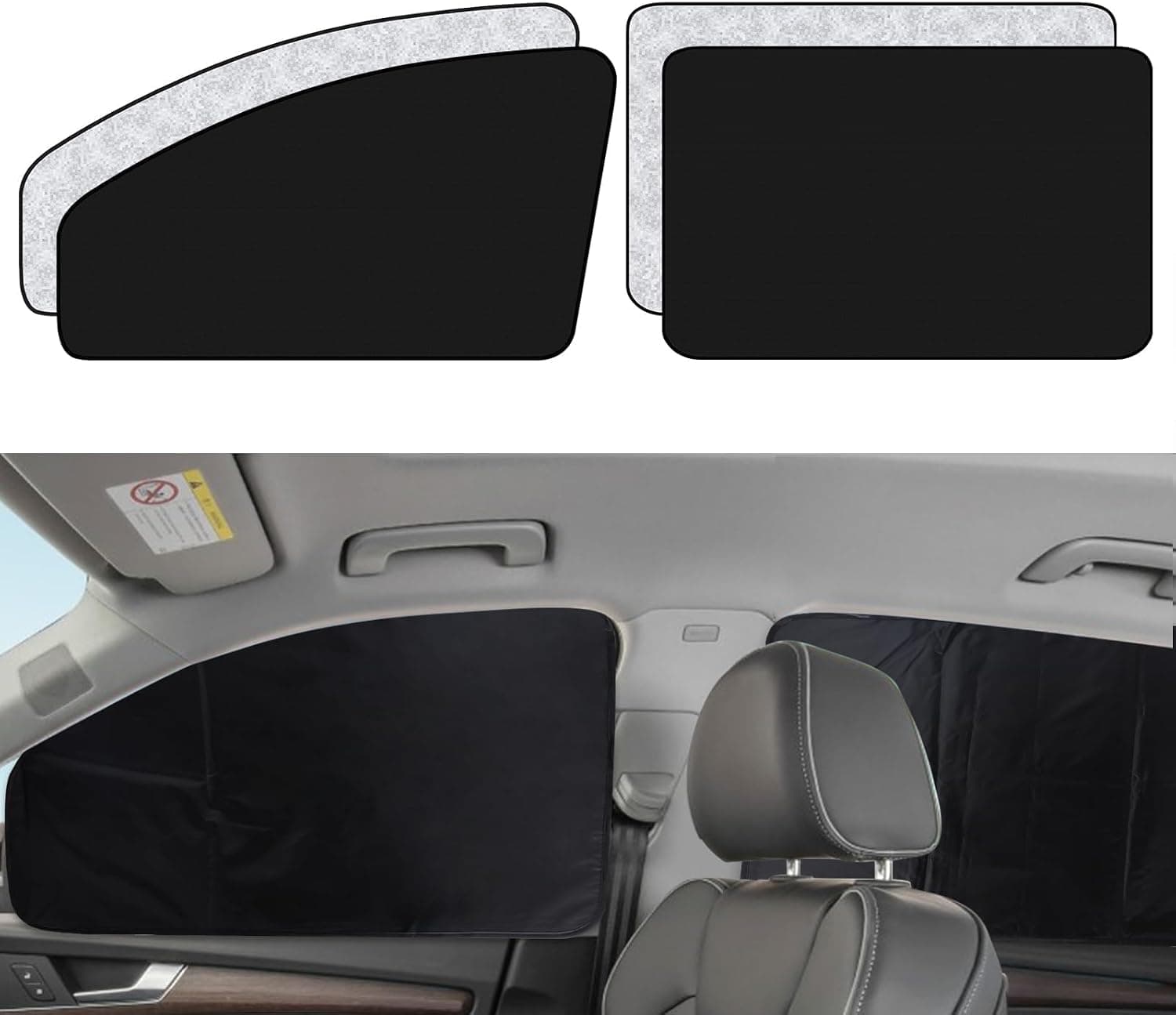
+ Magnetic frames attach and remove in seconds with no suction cups
From our guide: Best Car Window Covers for Camping Privacy
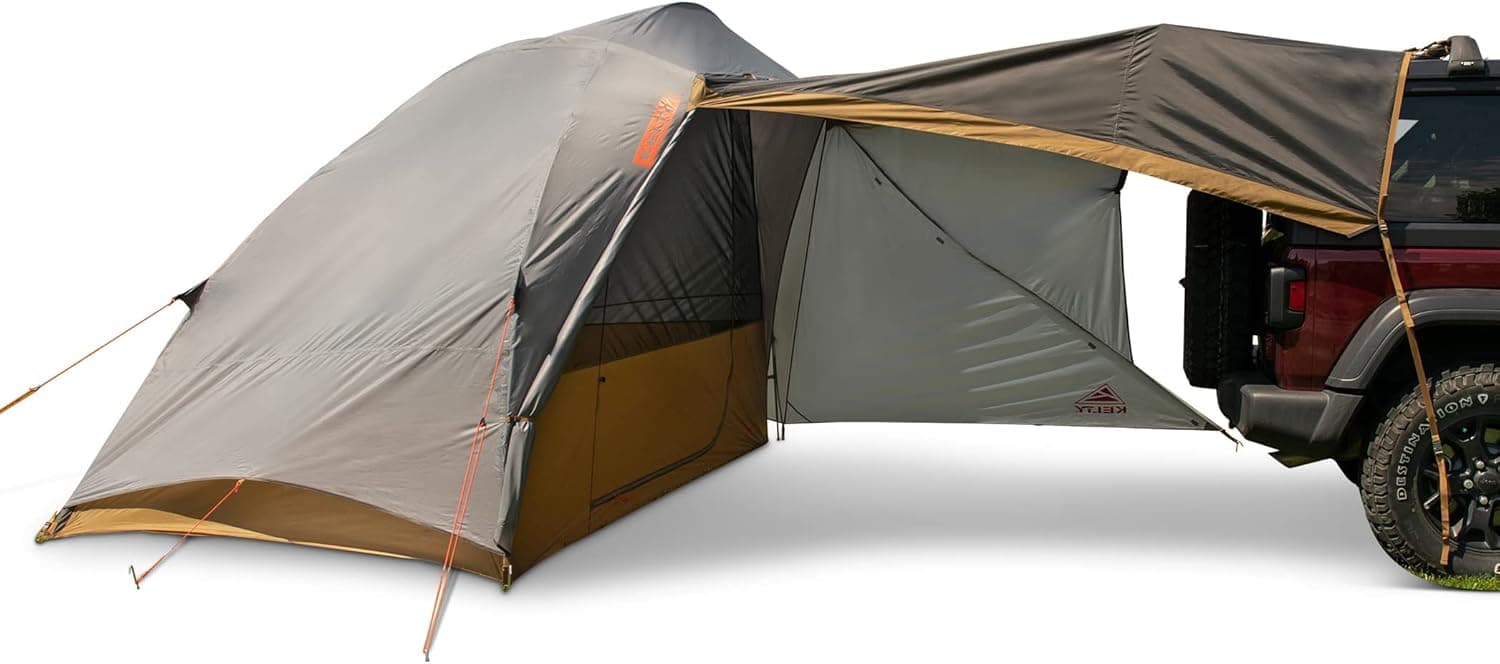
+ Combines a 4P tent with a vehicle awning, covering sleep and hangout space
From our guide: Best SUV Tents and Tailgate Shelters
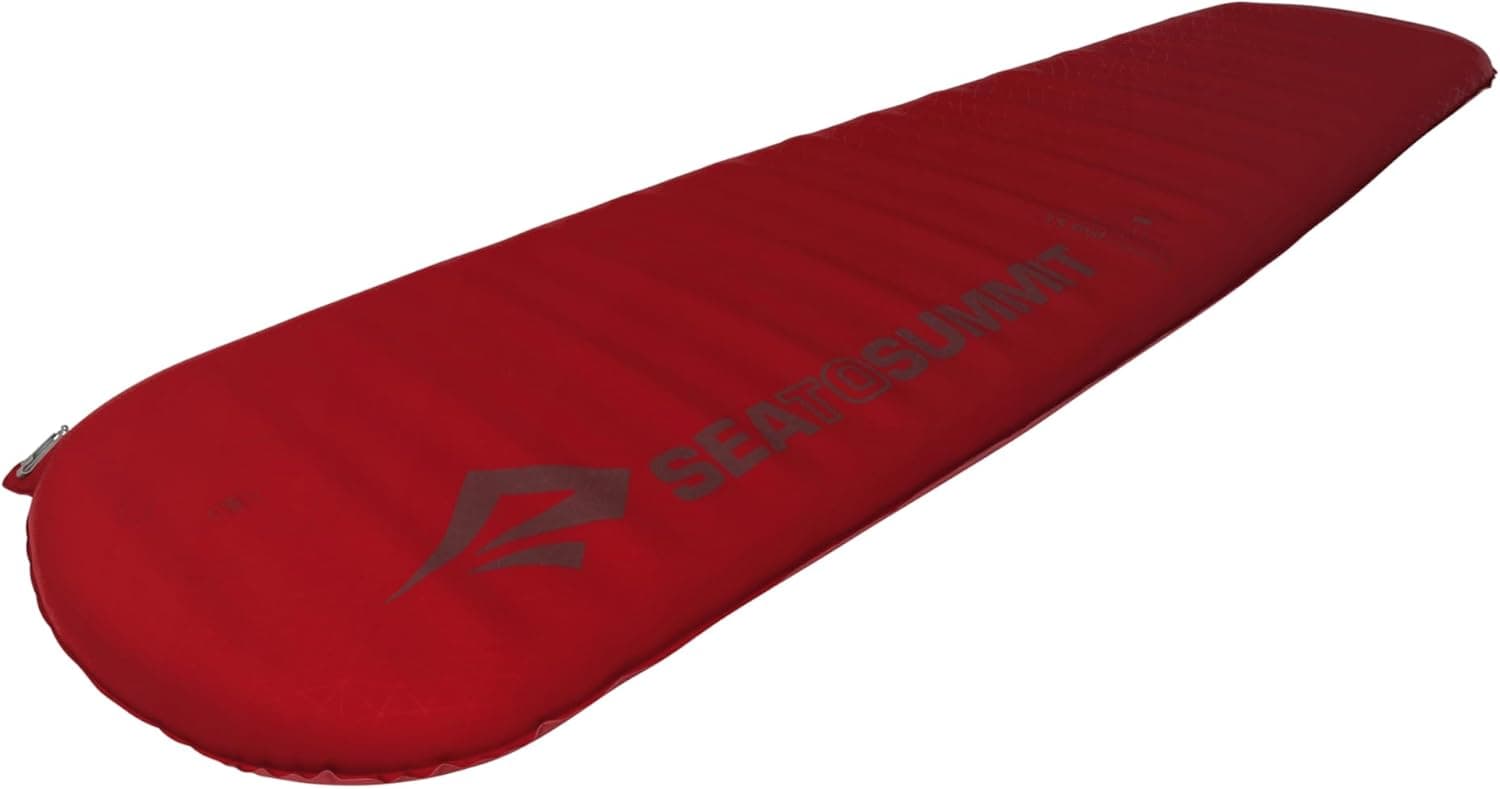
+ Comfort Plus adds more cushioning than the Camp and Camp Plus mats
From our guide: Best SUV Air Mattresses for Car Camping
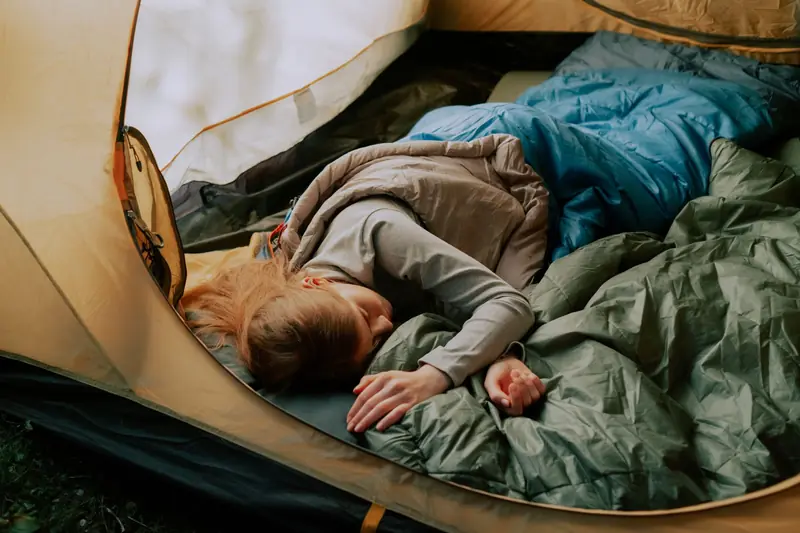
Find the dips and bumps before you buy anything
The fix is layering. Start by filling the largest gaps with something firm, such as rolled towels, foam blocks, or a couple of storage bins pushed tight against the seatbacks. Cheap interlocking foam floor tiles are excellent for this because you can cut them to shape and they add a little cushion of their own. On top of that firm base goes your real mattress. A self-inflating pad rated for three-season use gives you insulation from the cold metal floor as well as padding, which matters more than most people expect. Cold rising up from below will wake you faster than cold air around you.
The fix is layering
Length is the other thing people underestimate. Many SUVs are a few inches short of a full adult sleeping length once the front seats are in position. Slide the front seats forward and drop the seatbacks slightly, then measure again. If you are still short, a folded blanket or a firm cushion bridging the front seat gap can buy you the extra room you need to fully stretch out.
Length is the other thing people underestimate
Pillows do a surprising amount of work. A proper pillow from home beats any camping pillow, and it costs nothing. Bring one. If space is tight, a compressible camp pillow stuffed with a spare fleece is a reasonable compromise. Keep a second small pillow or rolled jacket handy for propping under your knees, which takes pressure off your lower back on a firm surface.
Pillows do a surprising amount of work
Temperature control keeps you asleep once you are down. Use a sleeping bag rated a little colder than the forecast, and add a liner if nights turn sharp. Vent two windows a crack on opposite sides of the vehicle so your breath does not turn into condensation dripping on your face by morning. A thin beanie makes a real difference on cold nights because a lot of heat leaves through your head.
Temperature control keeps you asleep
Light and noise are the last pieces. A set of window covers, even improvised ones cut from reflective sunshade material, block streetlights and early sunrise so you sleep past dawn. A sleep mask is a lightweight backup. For noise, foam earplugs handle everything from highway hum to a noisy campground neighbor, and they weigh nothing.
Practice at home before a real trip
Give yourself one practice night in the driveway before a real trip. You will discover the annoying ridge, the window that will not stay cracked, or the pad that slides around, and you can solve all of it from the comfort of home. By the time you are parked somewhere remote, your setup will feel dialed in and familiar, and a good night of sleep in the back of your SUV will feel completely normal.
Frequently asked questions
How do you make an SUV cargo area flat for sleeping? Fill the largest gaps with rolled towels, foam blocks, or storage bins, then add a firm base like interlocking foam floor tiles topped with a self-inflating three-season sleeping pad.
Why does cold from the floor matter more than cold air? Cold rising up through the metal floor will wake you faster than cold air around you, which is why insulation from below matters more than most people expect.
What can I do if my SUV isn't long enough to sleep in? Slide the front seats forward and drop the seatbacks slightly, then bridge any remaining gap with a folded blanket or firm cushion to get the extra length needed to stretch out fully.
Should I crack windows when sleeping in my car? Yes, vent two windows a crack on opposite sides so your breath doesn't turn into condensation dripping on your face by morning.
Popular right now
- Fall Car Camping: How to Plan and What to PackArticle
- Keeping Cool When Camping in Hot WeatherArticle
- Best Portable Camping Sinks for Car CampingBuying guide
- Tailgate tent explainedGlossary
- Safety Tips for Sleeping in Your CarArticle
- Best Camping Cookware SetsBuying guide
Based on the last 28 days of search and visitor data.