Organizing Gear in a Small Trunk
Published How we research
The hardest part of car camping in a smaller vehicle is not sleeping, it is storage. Everything you own for the trip has to share the same space you sleep in, and without a system it becomes an exhausting daily shuffle of moving bags to find one item. Good organization is what makes a small vehicle feel spacious, and it comes down to grouping gear logically, containing it well, and giving the most-used things the easiest access.
Products from this article
The highest-scoring picks from the buying guides this article links to. Scores are our editorial assessment, not customer ratings.
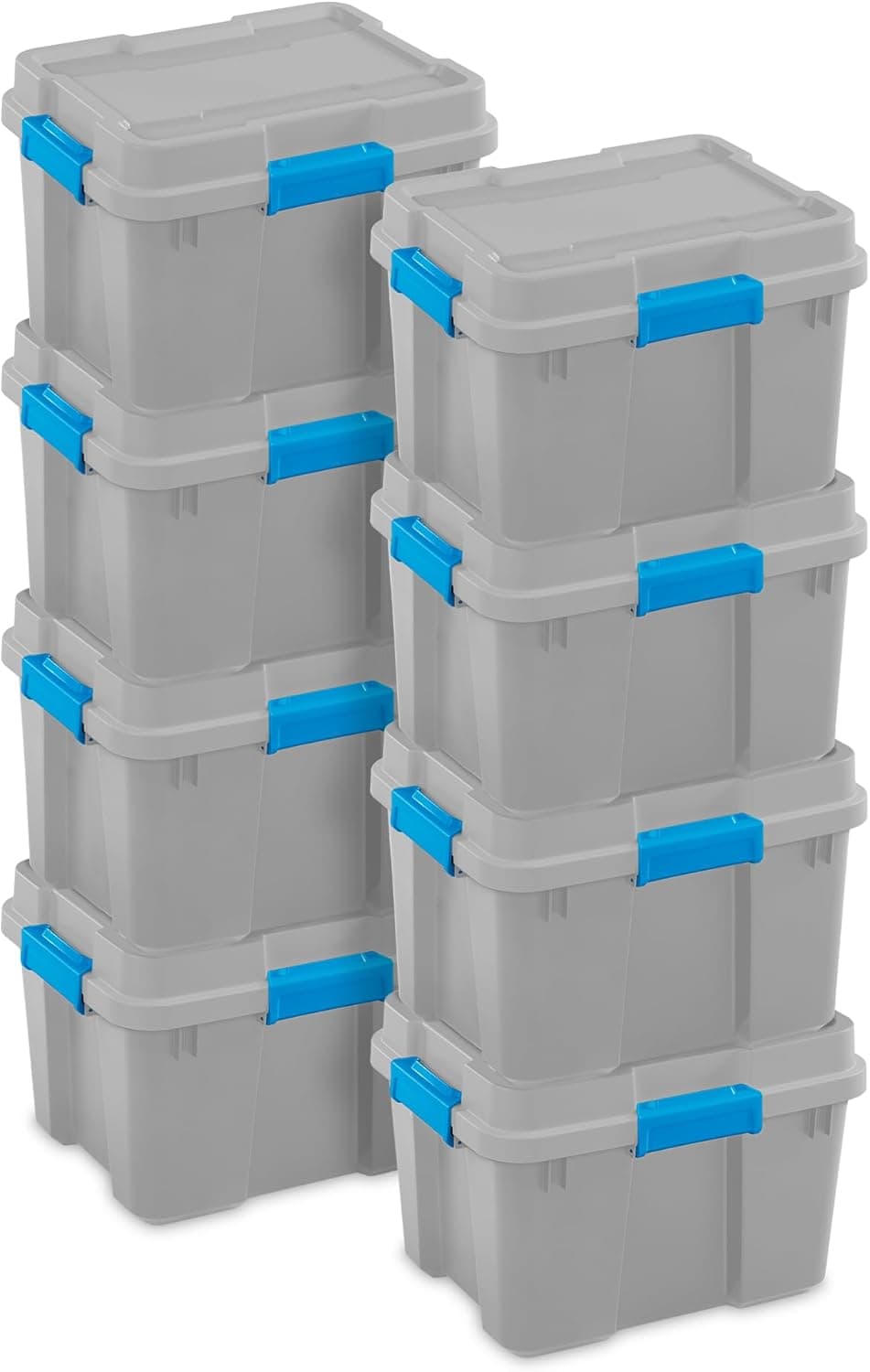
+ Gasket lid seal helps keep dust and moisture out of gear
From our guide: Best Trunk Organizers for Camp Storage
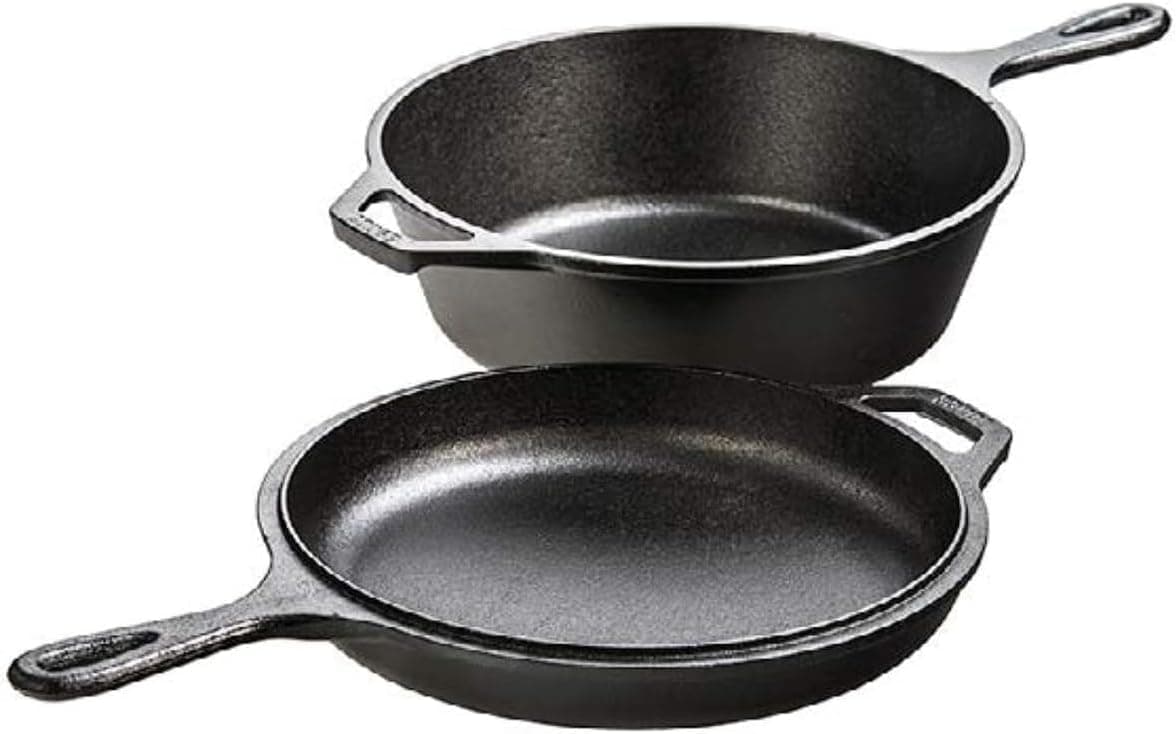
+ Combo design gives a deep pot plus a lid that doubles as a skillet
From our guide: Camp Kitchen Essentials for Car Campers
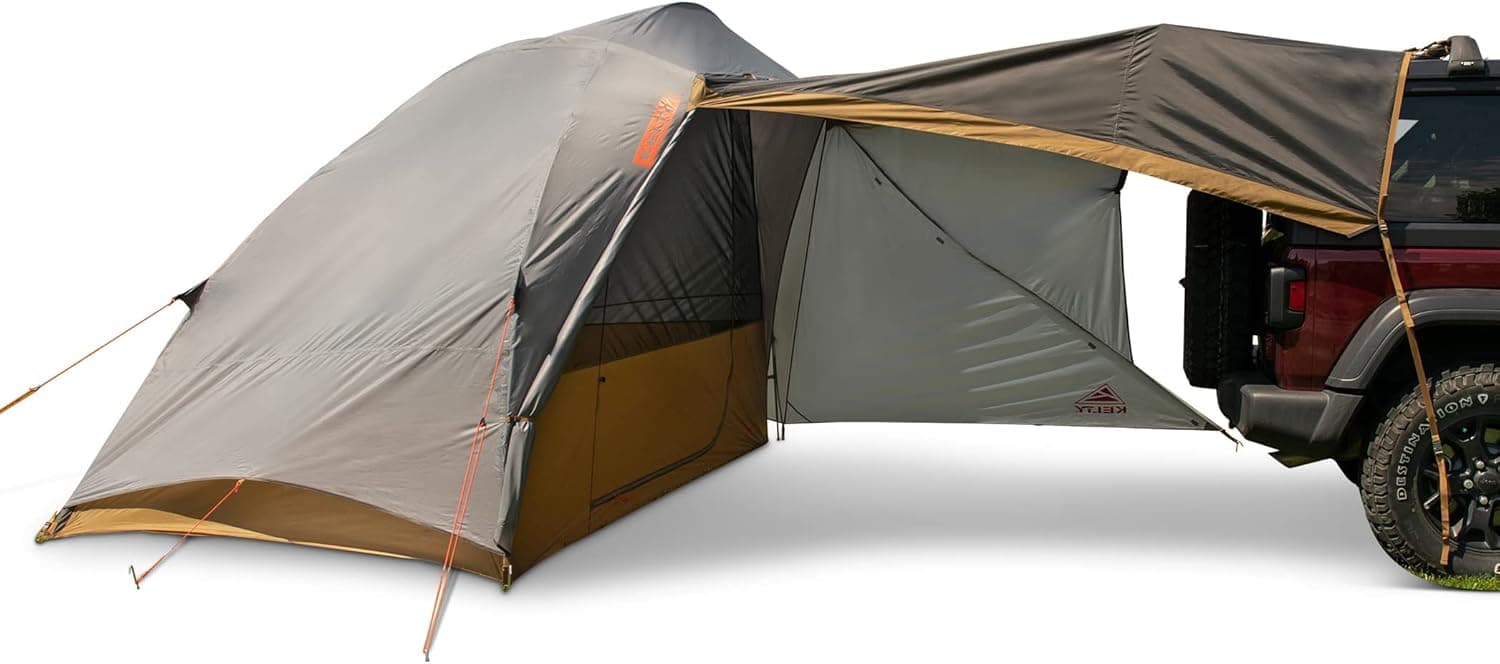
+ Combines a 4P tent with a vehicle awning, covering sleep and hangout space
From our guide: Best SUV Tents and Tailgate Shelters
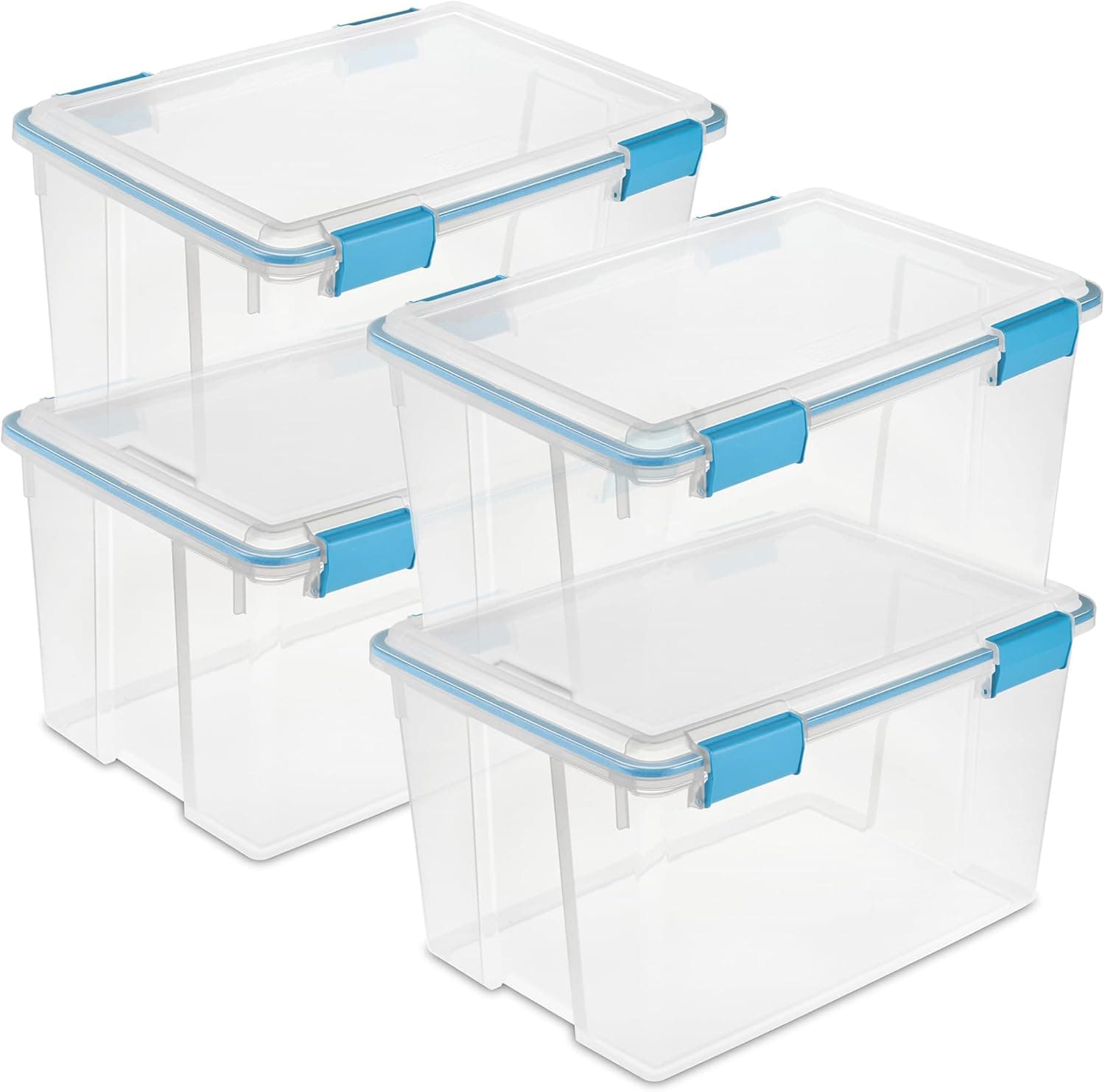
+ 54 Quart capacity fits a full camp kitchen setup in one bin
From our guide: Best Trunk Organizers for Camp Storage

Start by dividing your gear into categories and packing each into its own container. A kitchen bin holds the stove, pot, utensils, and non-perishable food. A clothing bag holds clothes. A sleep bag holds bedding. A small bin holds tools, first aid, and repair items. The principle is that you should be able to grab one container to solve one need, rather than digging through a single mixed pile. Clear bins let you see contents, while soft bags flex to fill odd spaces, and most people end up using a mix of both.
Think vertically and use every hidden space. The footwells, seat-back pockets, and door pockets are prime storage that people forget. Hanging organizers on the back of the front seats hold small items like snacks, headlamps, and chargers where you can reach them from the sleeping area. Rooftop boxes or a hitch cargo carrier move bulky, rarely-needed items like chairs and tables out of the cabin entirely, freeing the interior for living.
Access frequency should drive placement. The things you need constantly, such as a headlamp, water, a warm layer, and your phone, belong within arm's reach of where you sleep, ideally in a seat-back pocket or a small caddy. Things you need daily but not urgently, like the kitchen and food, go where you can reach them from outside the vehicle without unpacking. Things you rarely touch, like the tool kit or spare gear, go at the very bottom or in external storage.
A sleeping platform is the upgrade that solves small-vehicle storage most elegantly. A raised platform, even a simple one built from plywood and supports, creates a flat sleeping surface on top and a large drawer or bin space underneath. You slide bins in and out from the tailgate, sleep on the level surface above, and suddenly your gear is out of sight and your bed is always ready. For frequent campers in small vehicles, this single change is transformative.
Discipline keeps a system working once it exists. Return each item to its container after use, repack in the same order each morning, and resist the temptation to let things migrate into loose piles. A five-minute reset each morning, putting the sleep gear away and the day gear within reach, keeps the vehicle functional and prevents the slow slide into chaos that ruins small-space camping.
Finally, be honest about what you actually use and cut the rest. Small vehicles punish overpacking harder than large ones, so after each trip, note what you never touched and leave it home next time. A lean, well-organized kit in a small trunk beats an overstuffed one every time, and the space you save is space you get to live in.
Popular right now
- Fall Car Camping: How to Plan and What to PackArticle
- Keeping Cool When Camping in Hot WeatherArticle
- Best Portable Camping Sinks for Car CampingBuying guide
- Tailgate tent explainedGlossary
- Safety Tips for Sleeping in Your CarArticle
- Best Camping Cookware SetsBuying guide
Based on the last 28 days of search and visitor data.