Planning Your First Multi-Day Car Camping Route
Published How we research
Stringing together several nights of car camping into a multi-day route is where the real adventure of this hobby opens up, letting you cover ground, chase good weather, and see a whole region rather than a single spot. But a multi-day trip has moving parts that a single overnight does not, and a little planning prevents the small logistical failures, a missed fuel stop, a dry water source, a spot that turns out to be full, that can sour an otherwise great trip. The goal is a route that flows, with the essentials covered and enough flexibility to enjoy the journey.
Start by defining the shape and pace of the trip before you fill in details. Decide roughly how many nights you have, whether you want a loop that returns you home or a one-way route, and how much of each day you want to spend driving versus exploring. A common mistake is planning too much driving and too little time actually being somewhere, which turns a camping trip into a road slog. As a rule, plan for less driving than you think you want, since the best moments usually come from lingering somewhere rather than rushing to the next place.
Mapping your overnight spots is the backbone of the plan, and it pays to identify more options than you need. For each night, find a primary spot and a backup or two, since your first choice may be full, closed, or simply feel wrong when you arrive. Space your stops so the daily drive between them is comfortable, and try to arrive before dark so you can assess and set up in daylight. Researching whether each spot is a reservable campground, first-come public land, or somewhere requiring a permit tells you how much certainty you have and where you need to book ahead.
Fuel, water, and supply stops need to be woven into the route deliberately, because in remote country the gaps between them can be large. Note where you can reliably refuel, and top up well before you are low rather than gambling on the next station being open. Do the same with water, mapping where you can refill your containers and filling up whenever you pass a source. Identify where you can resupply food, since a multi-day trip often outlasts the fresh food you can carry, and plan a grocery stop into a travel day rather than running out in the backcountry.
Building in flexibility is what separates a plan that survives contact with reality from one that falls apart. Weather changes, roads close, spots fill up, and sometimes a place is so good you want an extra day. Leave slack in the schedule rather than packing every day tight, and treat your plan as a framework rather than a fixed itinerary. Having backup spots, a rough sense of alternative routes, and an extra day of food and water gives you room to adapt when the trip does not go exactly as drawn on the map, which it rarely does.
Preparing your vehicle and your information closes the gaps that catch people out. Before a multi-day trip, check your tires, fluids, and spare, since a breakdown far from help is far more serious than one near town. Download offline maps for the whole route, since much of it may lack signal, and carry a paper map as backup. Note the locations of the nearest towns, fuel, and medical help along the way, so that if something goes wrong you already know where to turn.
Finally, share your plan and stay adaptable in the field. Tell someone your intended route and expected return so a missed check-in raises an alarm, especially if you are heading into remote areas. Once you are out, check the weather when you have signal, adjust your pace to how you actually feel, and give yourself permission to change the plan when a better opportunity appears. A well-researched route with fuel, water, and sleep covered, plus the flexibility to follow the trip where it leads, is what makes a multi-day journey the highlight of a car camping year rather than a series of logistical scrambles.
Products from this article
The highest-scoring picks from the buying guides mentioned above. Scores are our editorial assessment, not customer ratings.
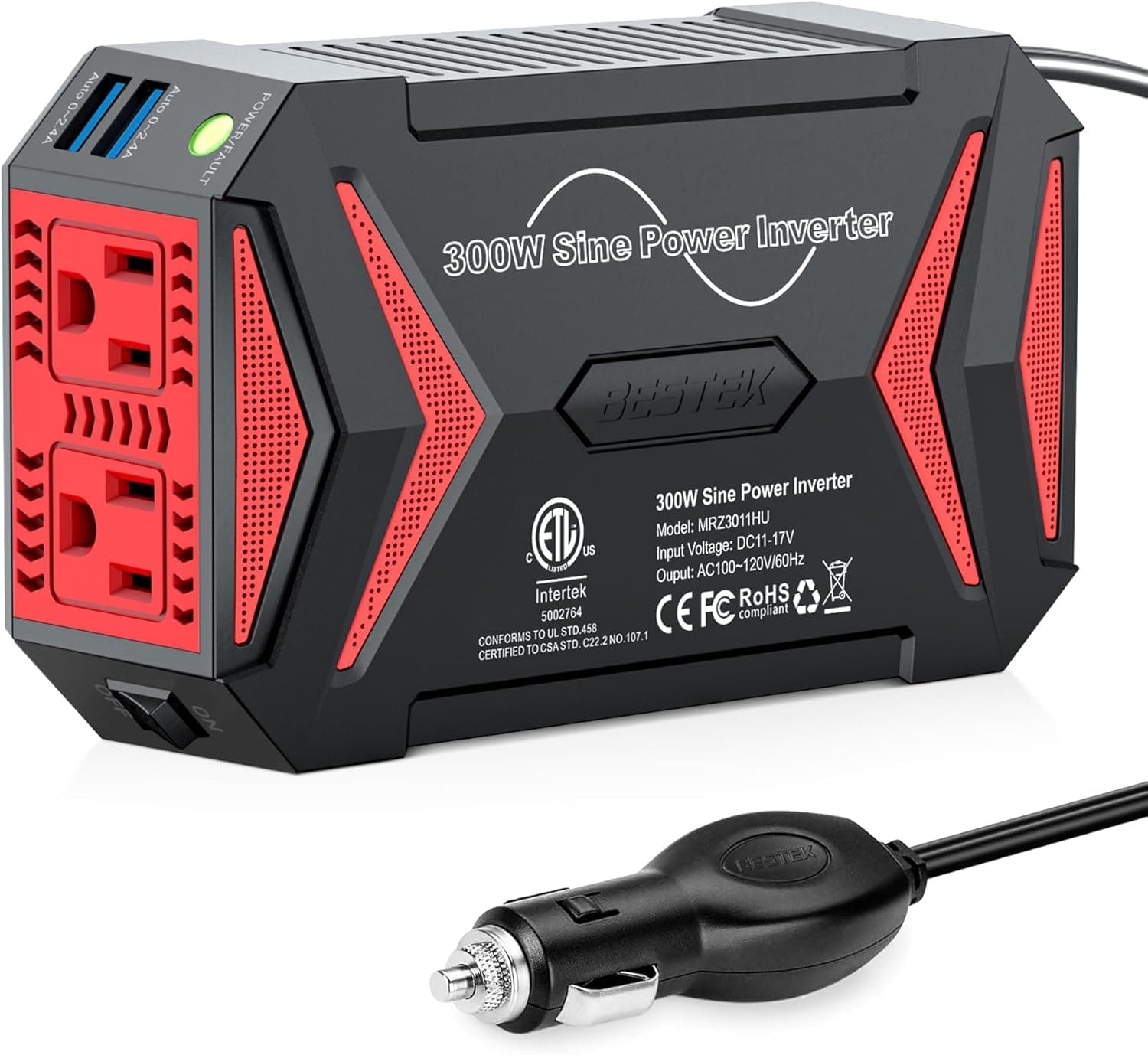
+ Pure sine wave output is safe for sensitive electronics and chargers
From our guide: Best Portable Power Banks for Camping
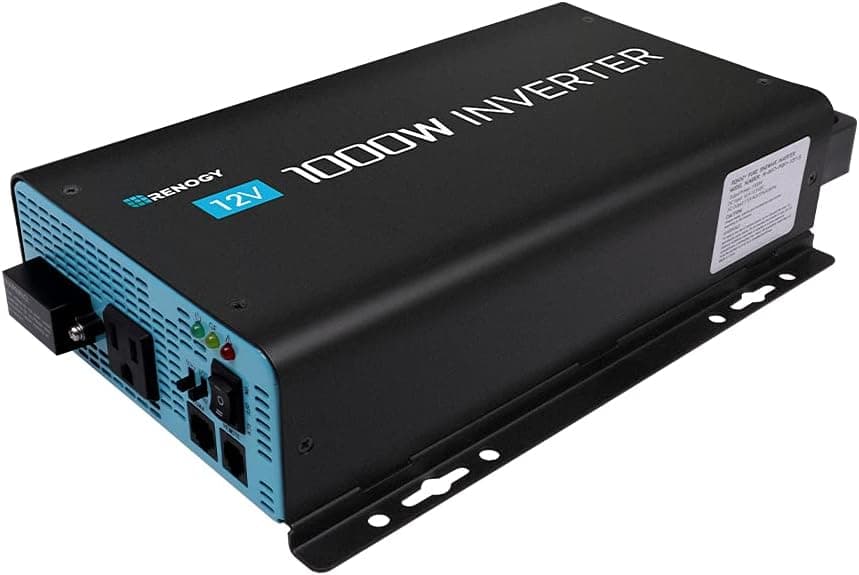
+ 3-burner layout cooks eggs, bacon and coffee at the same time
From our guide: Best Camping Stoves for Car Camping
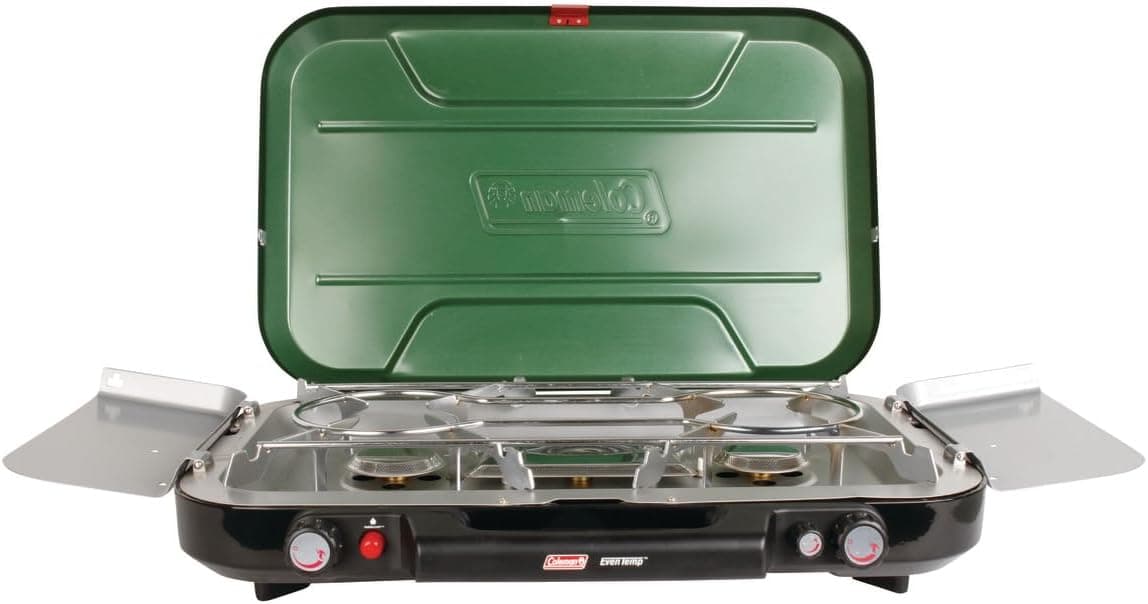
+ 12-Inch blades move more air than small clip fans
From our guide: Best Camping Fans
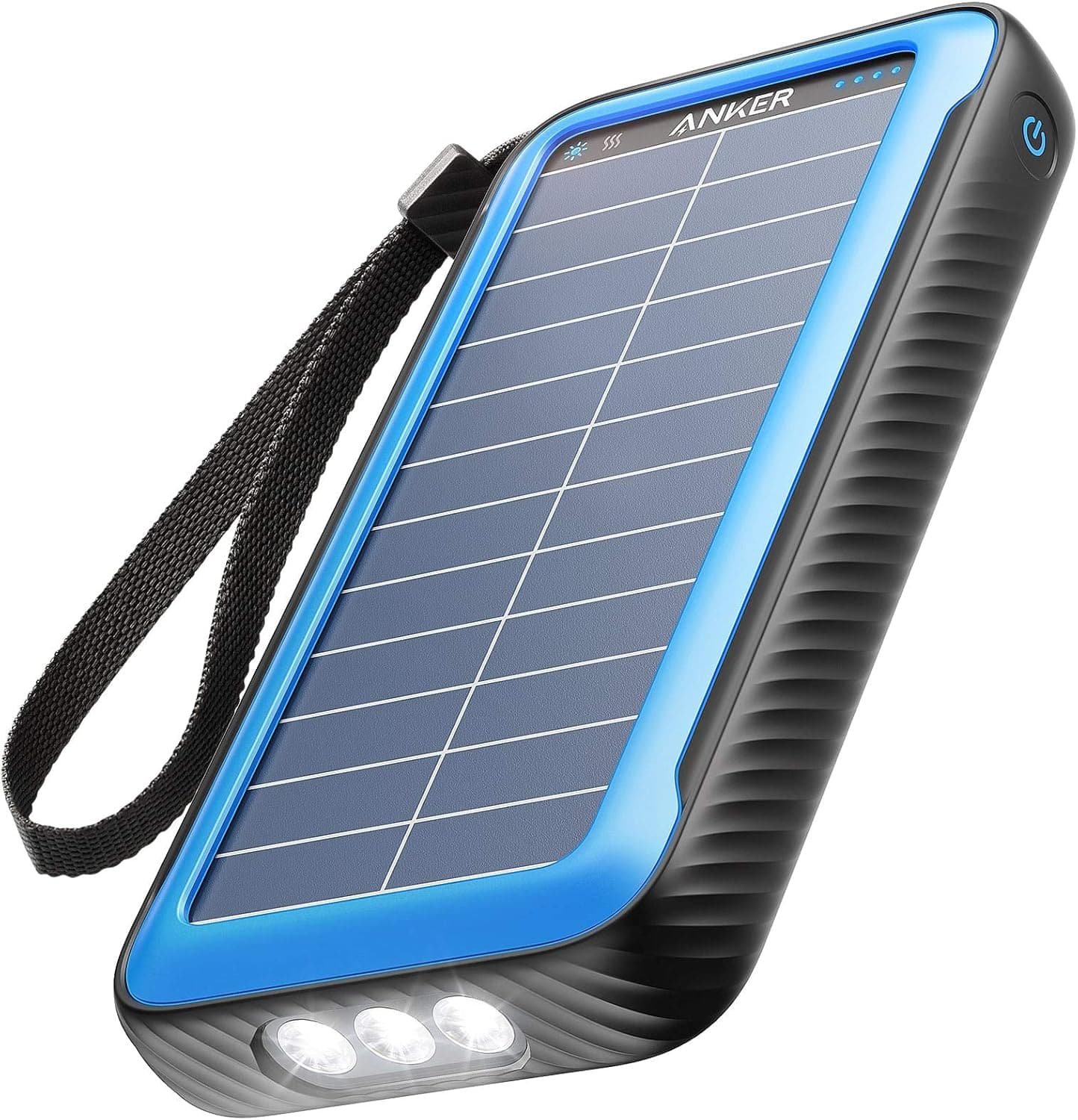
+ 20000 capacity covers multiple phone charges for a couple or group
From our guide: Best Portable Power Banks for Camping
Popular right now
- Keeping Cool When Camping in Hot WeatherArticle
- Safety Tips for Sleeping in Your CarArticle
- Window Covers for Privacy and WarmthArticle
- Fall Car Camping: How to Plan and What to PackArticle
- Best Car Window Covers for Camping PrivacyBuying guide
- Keeping Food Cold Without a FridgeArticle
Based on the last 28 days of search and visitor data.