Why Your Power Station Will Not Charge From the Car
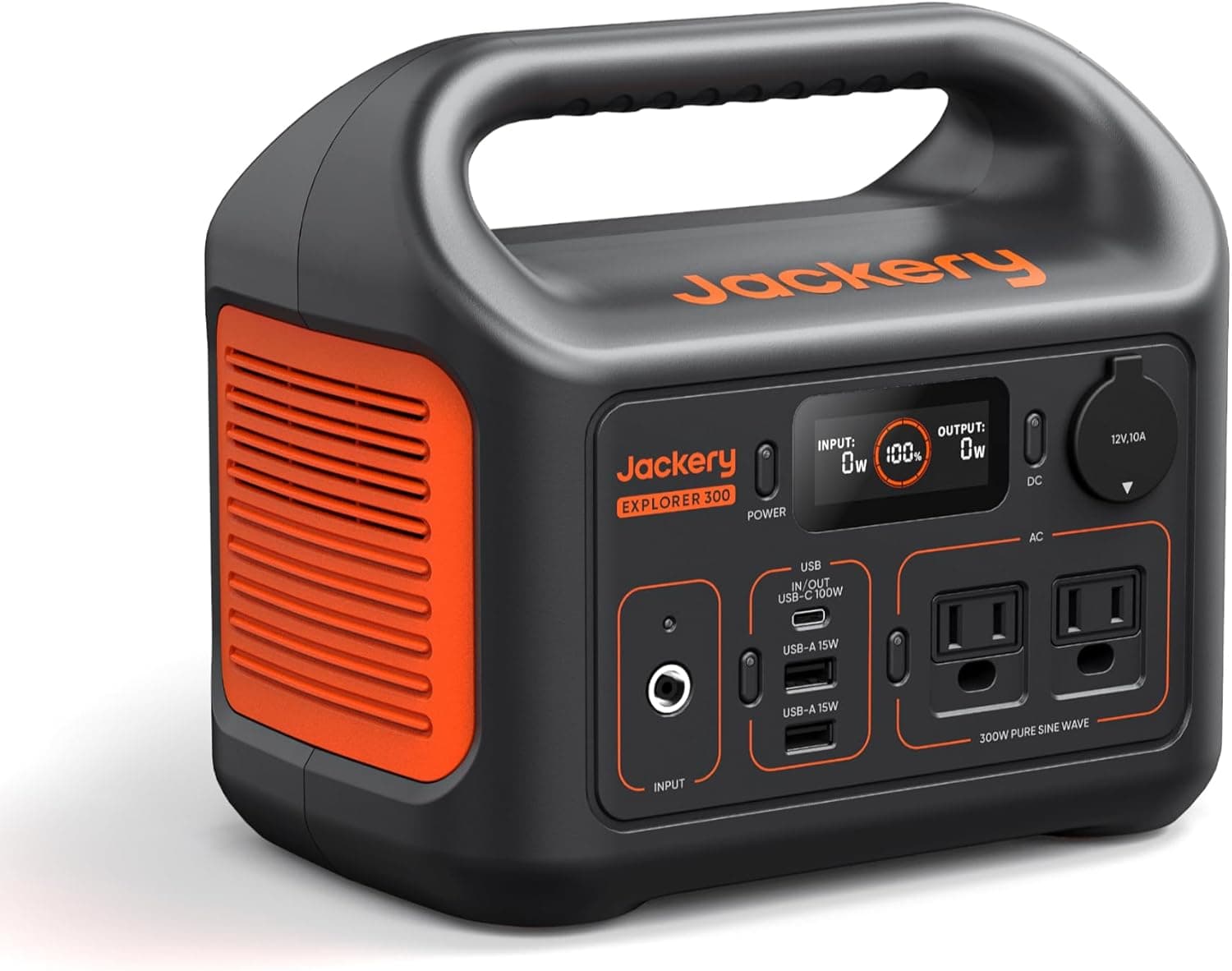
Charging a portable power station while you drive seems simple, but many people find it charges painfully slowly or stops entirely. The car's 12V socket has real limits, and a few settings and wiring details decide whether it works at all.
The socket turns off with the ignition
Many vehicles cut power to 12V sockets when the ignition is off, and some cut it after a delay. If your power station shows charging while driving but stops at camp, the socket is simply switched off.
Check your vehicle manual to see which sockets stay live. Avoid charging from the car battery with the engine off for long periods, since draining the starter battery can leave you unable to start the car.
12V sockets are slow by design
A standard 12V socket is usually fused around 10-15 amps, which limits charging to roughly 100-150 watts, and many power stations cap car charging at even less. A 500 Wh power station can take five hours or more of driving to refill.
Plan car charging as a top-up rather than a full recharge. Combine it with solar panels at camp or shore power when available, and set expectations using the power station's rated car charging input.
Fuses, loose plugs and cables
If nothing charges at all, check the socket with another device. A blown fuse is common, especially if another high-draw accessory was plugged in. The fuse box location and rating are listed in the vehicle manual.
Loose 12V plugs lose connection on bumpy roads, interrupting charging. Make sure the plug is seated firmly, the cable is not damaged and you are using the car charging cable supplied with the power station.
Settings on the power station
Some power stations have charging modes or input limits in their apps or menus. A low charge limit, a quiet mode or a battery care setting can slow charging. Check the display for input watts to see what is actually arriving.
Heat and cold matter too. Batteries often reduce charging speed when very hot or below freezing to protect the cells. Keep the unit ventilated and out of direct sun while charging.
Faster options for long trips
For frequent road trips, a DC-to-DC charger or alternator charger connected to the vehicle's electrical system charges much faster and protects the starter battery, but it should be installed correctly, ideally by a professional.
Portable solar panels matched to your power station's solar input are the easiest upgrade, and they charge while you are parked. Many campers use car charging while driving and solar at camp together.