Powering Your Campsite With a Portable Power Station
Published How we research
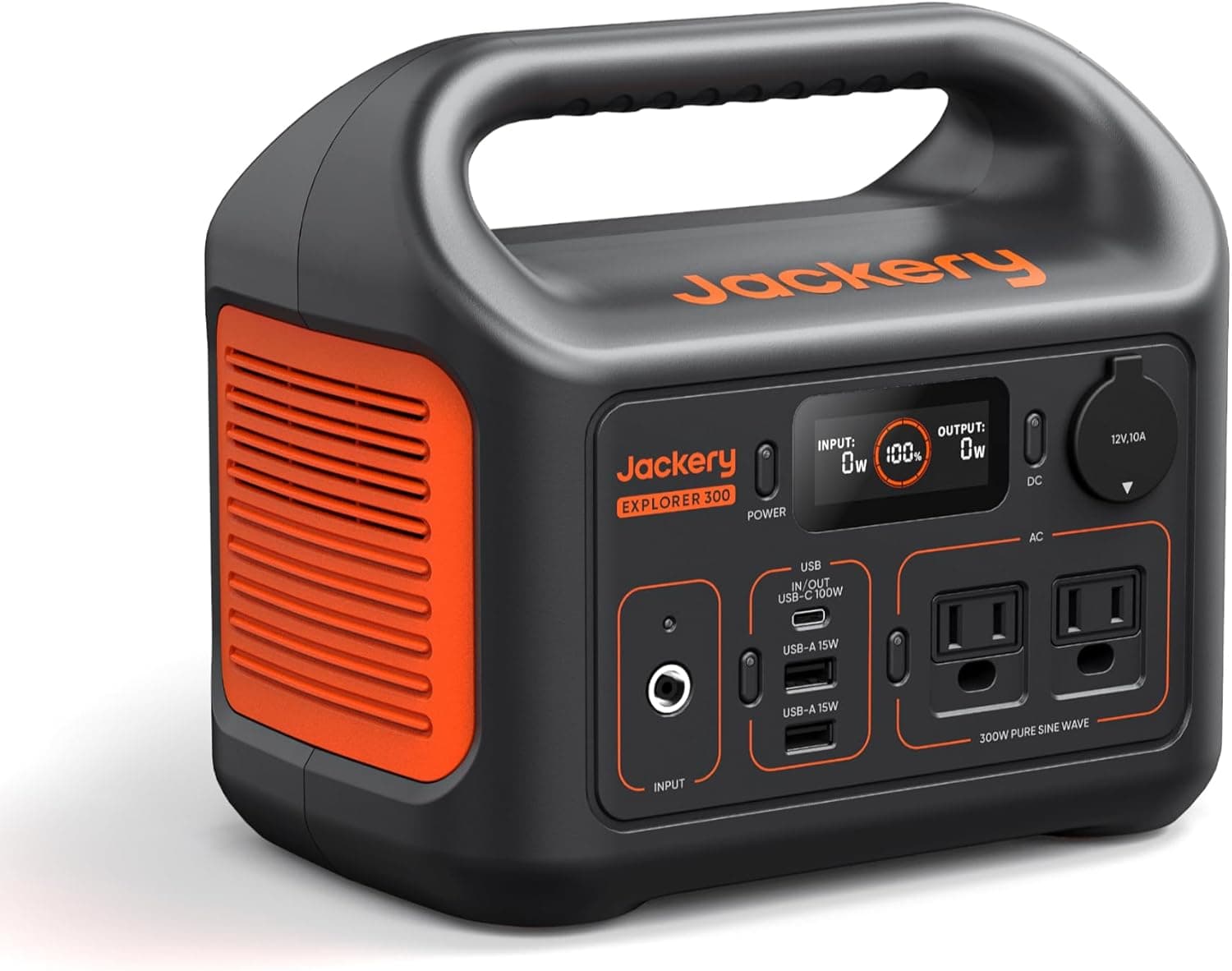
A portable power station is the single upgrade that changes car camping from roughing it to living comfortably. It is essentially a large battery with normal household and USB outlets built in, and it lets you run lights, charge phones and laptops, and even power a small fridge without touching your vehicle's starter battery. Understanding how to size and manage one keeps you from either overspending or running out of power at the worst moment.
Products from this article
The highest-scoring picks from the buying guides this article links to. Scores are our editorial assessment, not customer ratings.
+ 1800W output handles coffee makers, kettles and hair dryers
From our guide: Best Portable Power Stations for Car Camping
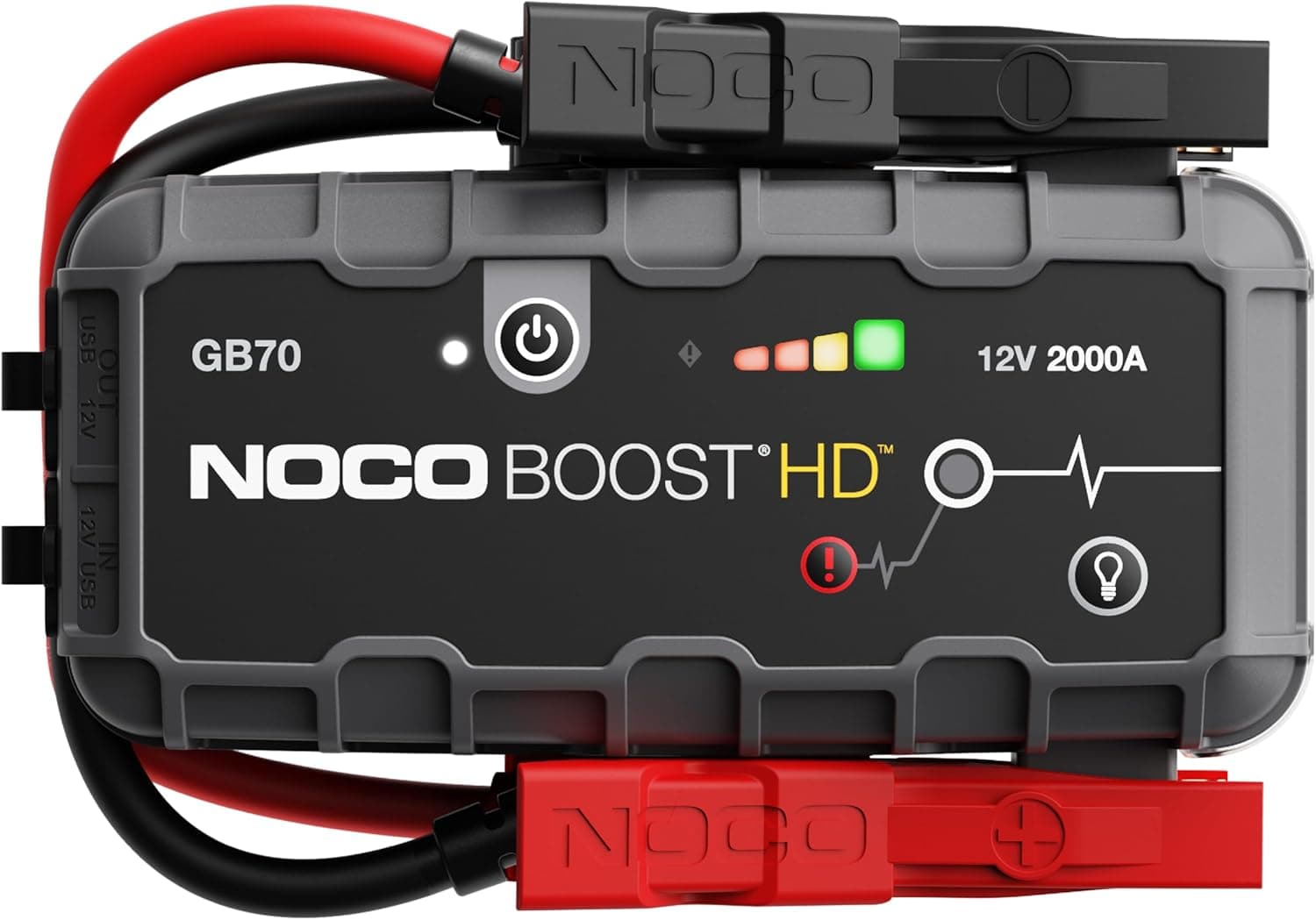
+ 2000A output handles bigger engines than NOCO's smaller compact packs
From our guide: Best Portable Jump Starters
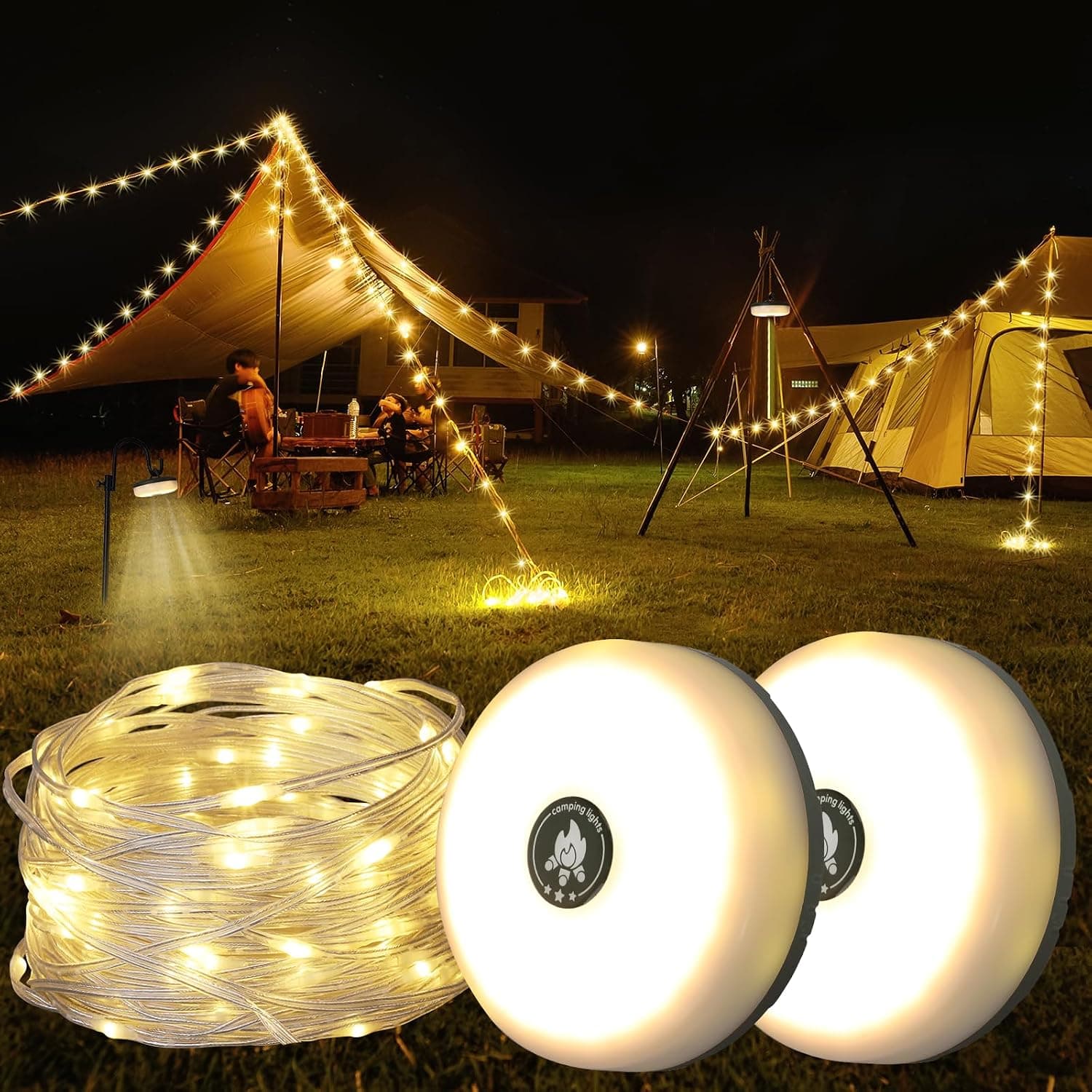
+ 2 Pack gives enough length to wrap a canopy and a tent
From our guide: Best Camping String Lights for Car Camping
+ 2042Wh capacity can run a camp fridge for days between charges
From our guide: Best Portable Power Stations for Car Camping
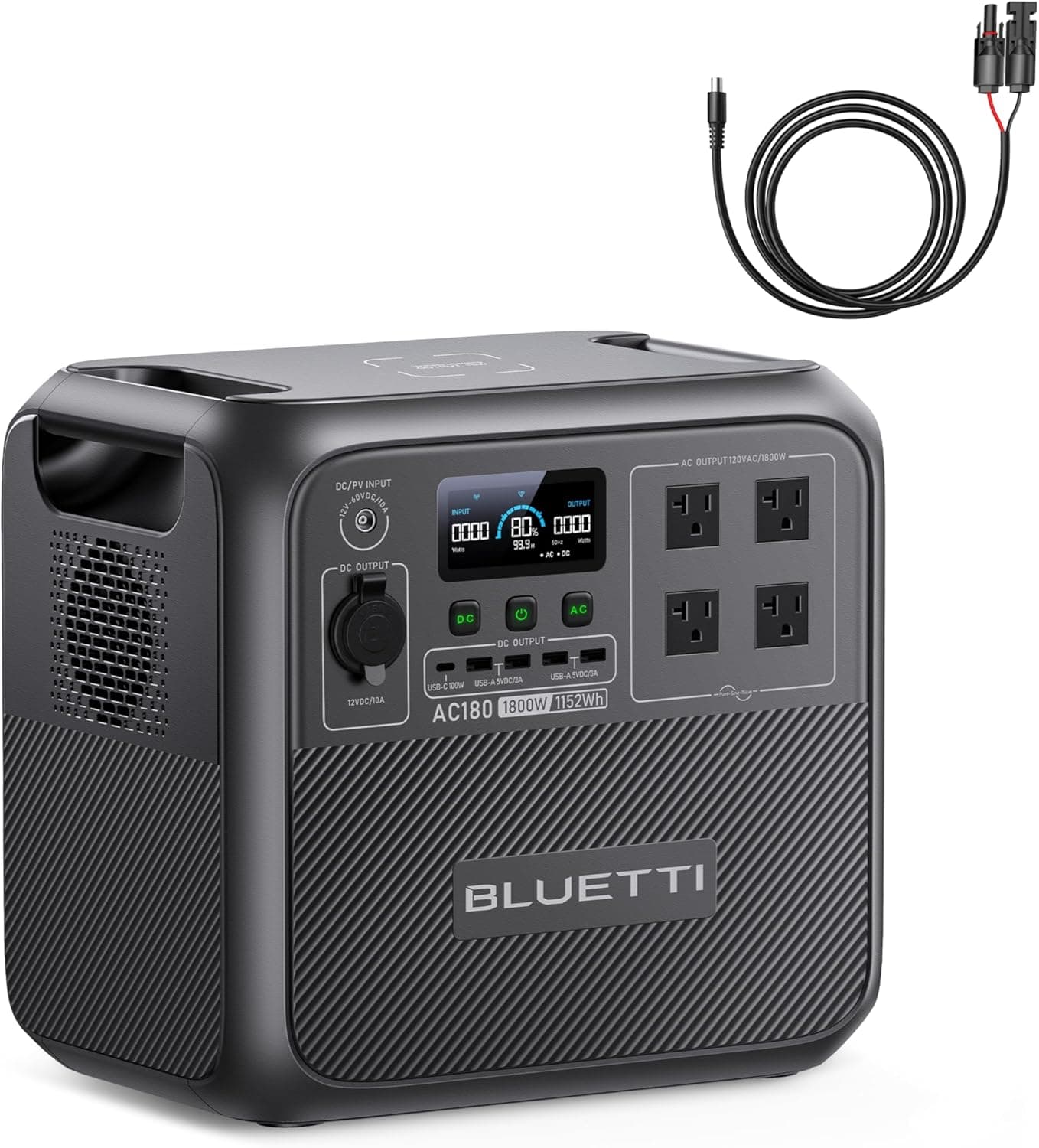
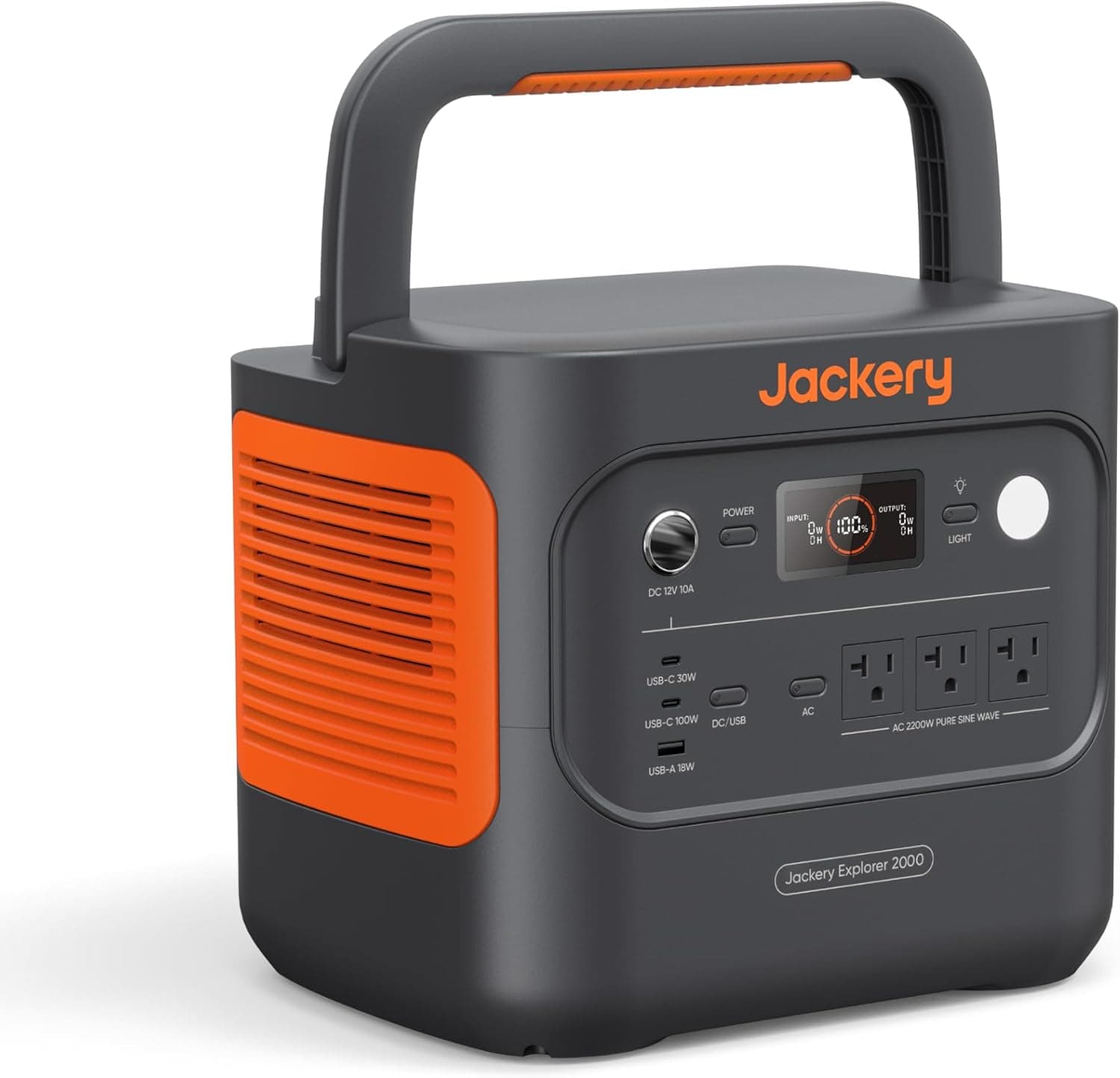
Capacity is measured in watt-hours, and that number tells you how much energy the unit holds. To estimate what you need, add up what you want to run and for how long. A string of LED lights might draw 5 watts, a phone charge uses roughly 15 watt-hours, and a 12-volt fridge averages somewhere between 30 and 50 watts while running, though it cycles on and off. A weekend of lights and device charging fits comfortably in a small 300 to 500 watt-hour unit, while running a fridge for several days pushes you toward 1000 watt-hours or more.
Just as important as capacity is the output rating, measured in watts, which limits what you can plug in at once. Small stations top out around 300 watts of output, which is plenty for lights, laptops, and charging, but not enough for a kettle or induction cooktop. If you want to run high-draw appliances, you need a unit rated well above their peak wattage, and you should check the appliance label rather than guessing.
Charging strategy is what keeps the battery useful over a multi-day trip. Most stations charge three ways: from a wall outlet before you leave, from your vehicle's 12-volt socket while driving, and from a folding solar panel. Charging from the car as you drive between spots is the most reliable field method, so top up on every drive rather than waiting until the battery is low. Solar is excellent in open, sunny country but slow and unpredictable under trees or clouds, so treat it as a supplement rather than your only plan.
Manage your load to stretch what you have. Lithium iron phosphate batteries, often labeled LiFePO4, last far more charge cycles and tolerate heat better than older chemistries, which matters if you camp often. Turn off the inverter when you are not using AC outlets, because the inverter itself draws power just being on. Charge devices during the day when solar is working and save the battery for lights and the fridge overnight.
Keep the station out of direct sun and extreme heat, ideally in the footwell or a shaded part of the vehicle. Batteries lose capacity and stress faster when hot, and a cooler unit both performs better and lasts longer. In winter, keep it from freezing solid, and never charge a lithium battery that is below freezing.
Start with a mid-sized unit if you are unsure, because it covers lights and devices easily and gives you room to add a fridge later. A power station is one of those purchases that quietly removes a whole category of camping stress, letting you focus on where you are rather than whether your phone will survive the night.
Popular right now
- Fall Car Camping: How to Plan and What to PackArticle
- Keeping Cool When Camping in Hot WeatherArticle
- Best Portable Camping Sinks for Car CampingBuying guide
- Tailgate tent explainedGlossary
- Safety Tips for Sleeping in Your CarArticle
- Best Camping Cookware SetsBuying guide
Based on the last 28 days of search and visitor data.