Car Camping in the Rain
Published How we research
Rain is where car camping shows its greatest advantage over a tent, because you already have a waterproof, wind-proof shelter with a roof that will not sag or leak. A rainy night that would be miserable in a tent can be cozy in a vehicle, provided you manage the two real challenges, which are keeping water out of your living space and dealing with the humidity that builds up when everything is wet.
Products from this article
The highest-scoring picks from the buying guides this article links to. Scores are our editorial assessment, not customer ratings.
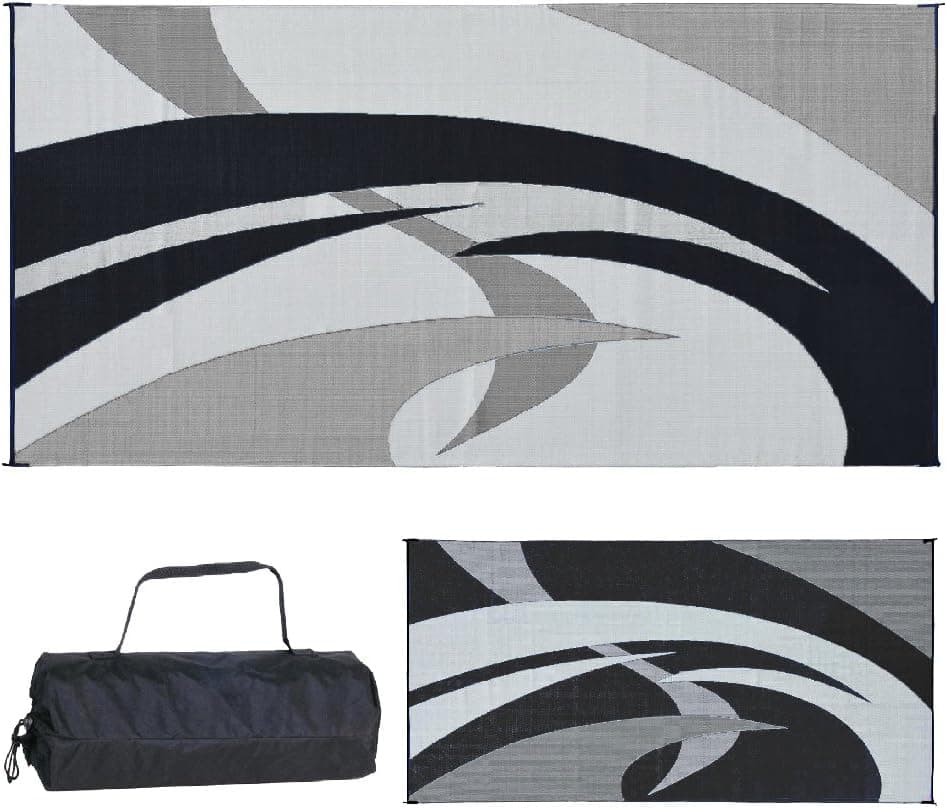
+ 9x18 ft size covers a large camp area in front of an RV or tent
From our guide: Best Camping Outdoor Rugs
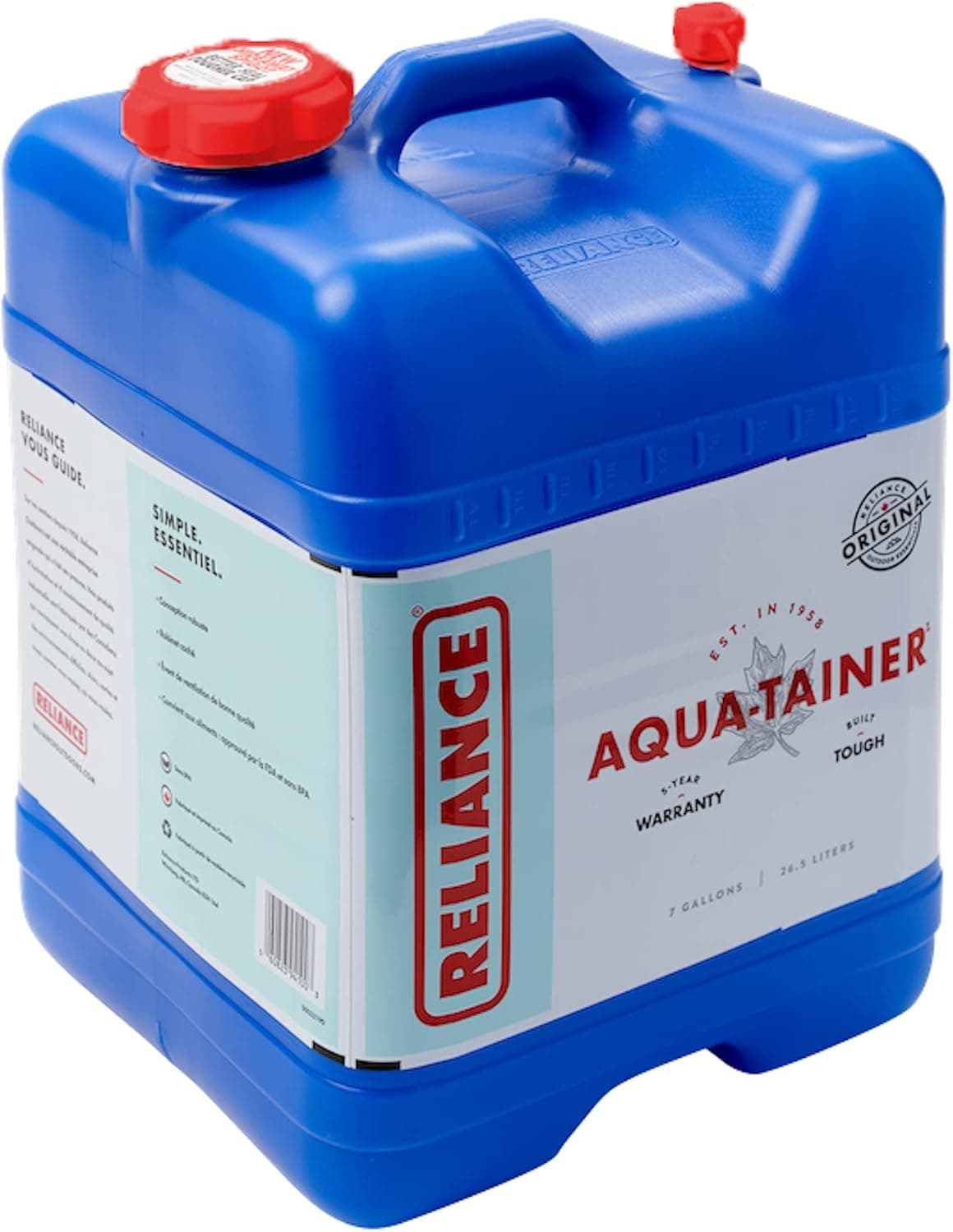
+ 7 gallon capacity supplies a family camp for a weekend
From our guide: Best Camping Water Containers and Jugs
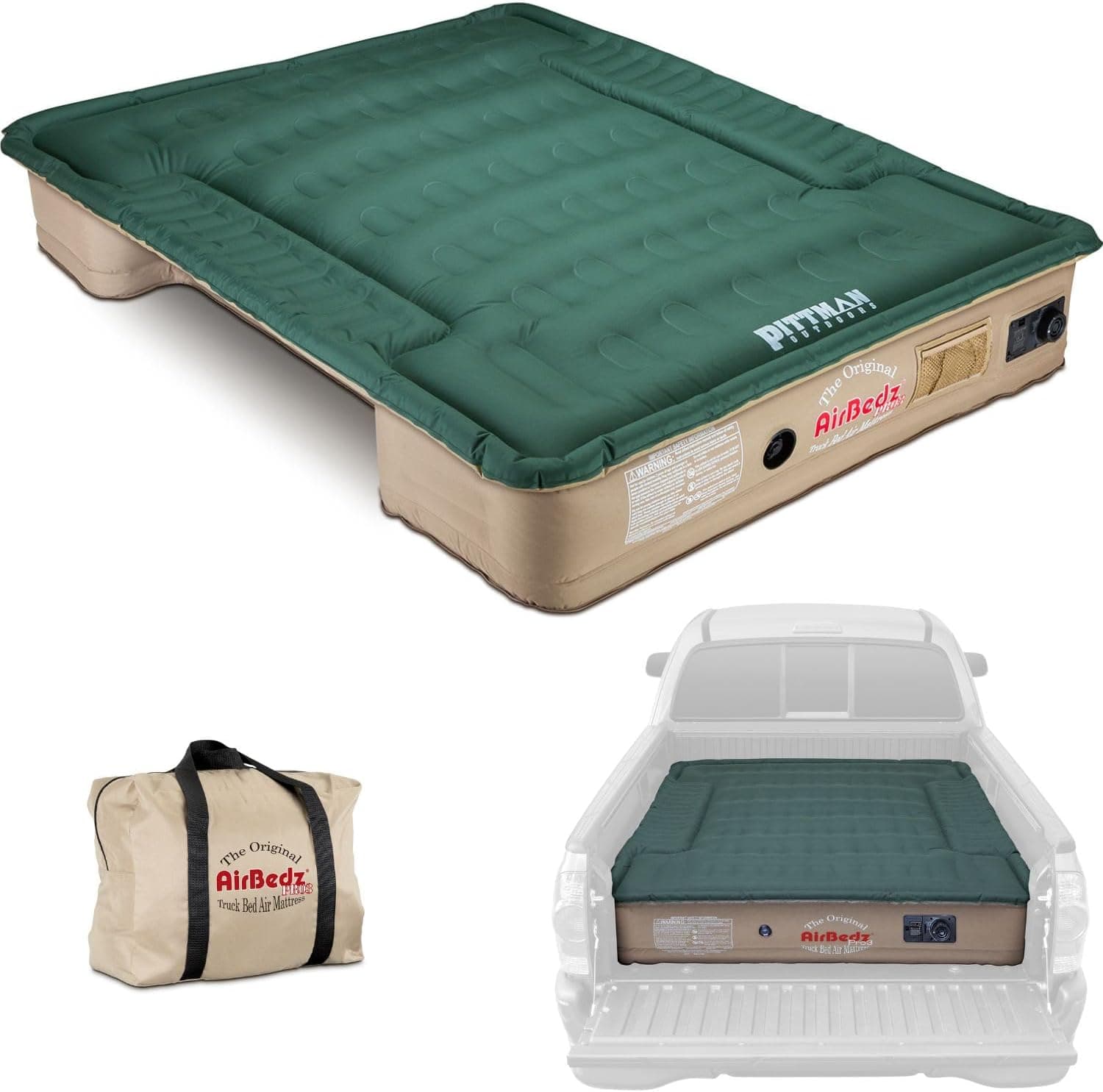
+ Long-bed sizing uses the full length of a full-size pickup for taller sleepers
From our guide: Best Car Camping Mattresses
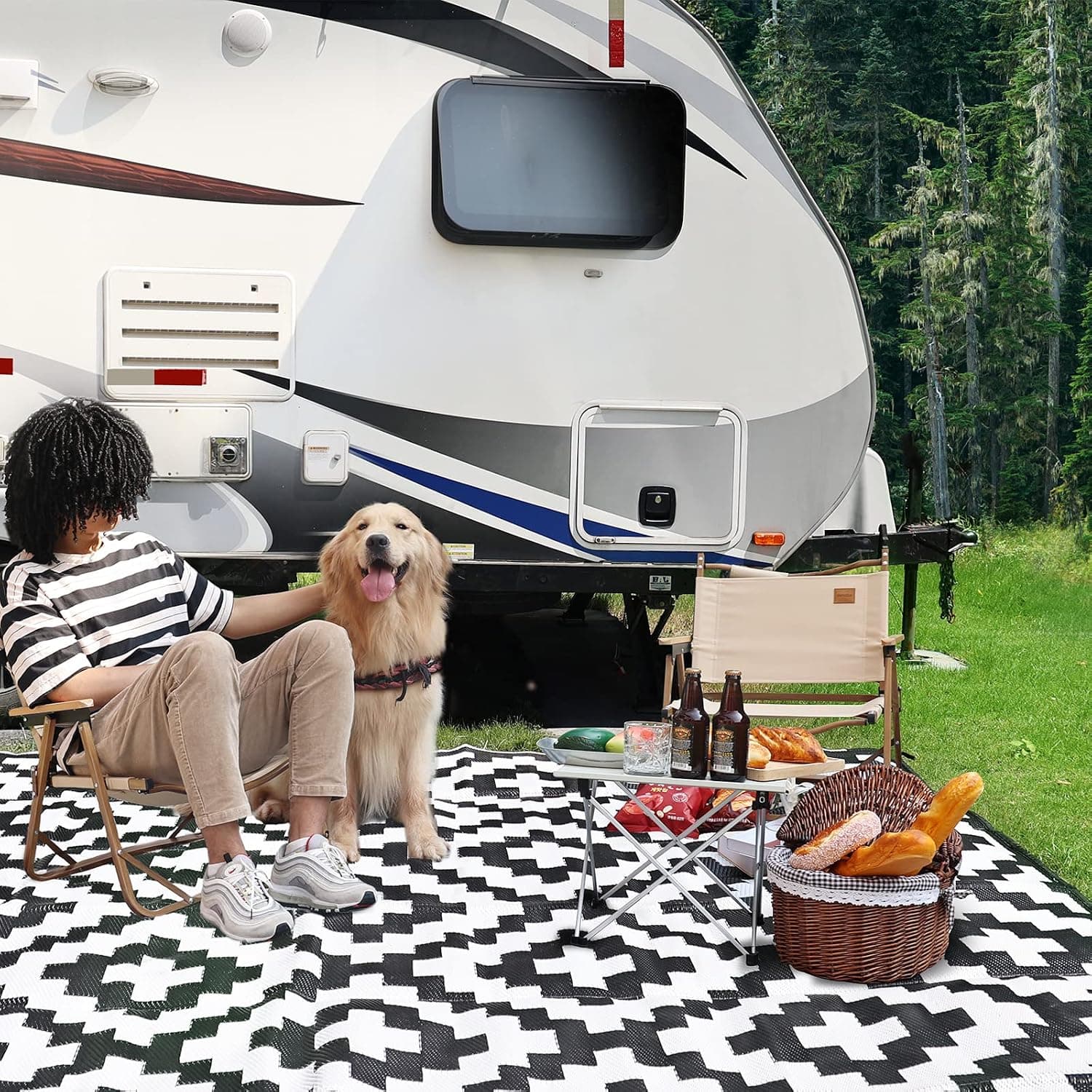
+ Waterproof material dries quickly after rain
From our guide: Best Camping Outdoor Rugs
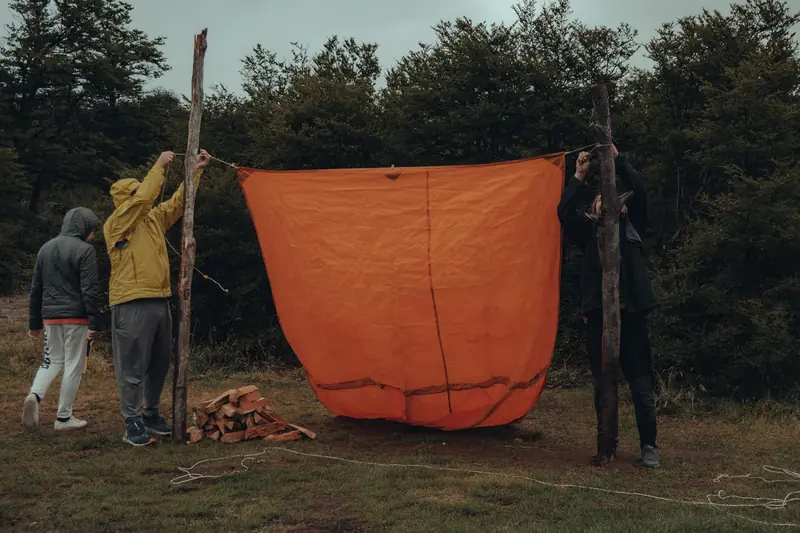
The first task is a dry entry and exit plan. Every time you open a door in the rain, water comes in with you, so think about where you get in and out. Parking with the sleeping-area doors facing away from the wind keeps rain from driving in, and a small tarp or awning off the side of the vehicle gives you a dry patch to stand, take off boots, and organize before climbing inside. Keeping a towel by the door to wipe down as you enter stops water from pooling on the floor and soaking your bedding.
Wet gear management keeps your sleeping space livable. Designate a wet zone, usually the front footwells or a plastic bin, where soaked jackets, boots, and umbrellas go, and keep it strictly separate from your dry sleeping area. Wet items left near your bag will chill you and add moisture to the air all night. A few dry bags or garbage bags let you seal away anything that got soaked so it does not spread dampness through the whole interior.
Condensation becomes a bigger issue in the rain because you cannot open the windows as wide, yet ventilation is exactly what stops your breath from dripping back on you. The solution is a small gap on the sheltered side of the vehicle, or rain-guard vent covers that let you keep a window cracked without letting water in. Even a centimeter of airflow makes a large difference, so resist the urge to seal yourself in completely, however tempting it feels.
Setting up a dry outdoor space transforms a rainy trip from confinement to comfort. A tarp strung between the vehicle and a couple of trees or poles creates a sheltered area to cook, sit, and cook a meal without crowding into the cabin. Cooking outside under a tarp is far safer than cooking inside a closed vehicle, which risks both carbon monoxide and a soaked interior. Angle the tarp so water runs off to one side and away from your dry zone.
Comfort inside comes down to staying dry and warding off the damp chill. Keep your sleep clothes and bag sealed away until you are dry and inside, change out of anything wet immediately, and use the same warmth tactics you would on a cold night, since rain usually brings a drop in temperature. A warm drink and a dry pair of socks do a lot to reset your mood when the weather is relentless.
Mind where you park, because rain changes the ground. Avoid low spots, dry washes, and soft dirt that can turn to mud and trap your vehicle or flood in a downpour. Choose firm, slightly elevated ground with good drainage, and check the forecast for any flash-flood risk if you are near a canyon or riverbed. With a dry entry, separated wet gear, a cracked window, and an outdoor tarp, a rainy night in your vehicle becomes one of the most peaceful sounds you can fall asleep to.
Popular right now
- Fall Car Camping: How to Plan and What to PackArticle
- Keeping Cool When Camping in Hot WeatherArticle
- Best Portable Camping Sinks for Car CampingBuying guide
- Tailgate tent explainedGlossary
- Safety Tips for Sleeping in Your CarArticle
- Best Camping Cookware SetsBuying guide
Based on the last 28 days of search and visitor data.