Planning Road-Trip Listening and Your In-Car Audio Setup
Published How we research
The drive to the campsite is part of the trip, not just the part you get through. A little planning around what you listen to, and how it actually reaches your speakers, turns hours of highway into something you look forward to instead of something you endure. None of this requires new gear beyond what most people already carry. It is mostly about downloading the right things before you leave cell service and setting up a simple system for getting sound from your phone to your ears, whether you are still driving or already parked for the night.
Download before you lose signal
Cell coverage thins out fast once you leave the interstate, and it can disappear completely on forest roads or near the coast. Streaming an audiobook or podcast over a weak connection is how you end up staring at a spinning wheel instead of listening to anything.
The fix is simple: download everything the night before you leave, while you still have a strong home or hotel connection. Most audiobook and podcast apps let you save episodes or chapters for offline playback, so build your queue the evening before departure rather than trying to do it from the driveway.
If you are heading somewhere remote for a multi-day trip, downloading offline maps at the same time is worth doing too, since navigation and entertainment both depend on a connection you may not have for long stretches of the drive.
Get sound out of your phone and into the car
Most cars built in the last decade have Bluetooth or a USB port that handles audio without any extra gear, and pairing a phone takes a minute the first time and reconnects automatically after that. Bluetooth is the easiest option for most people and works fine for spoken-word audio, which does not need much bandwidth.
Older cars sometimes need a workaround. An aux cable is the simplest and most reliable if your car has a jack, since it never drops out the way a wireless connection occasionally can. A small FM transmitter is the fallback if there is no aux input and no Bluetooth, though sound quality and reception vary by unit and by how crowded the local FM dial is.
Keep everything charged for the whole drive
Audio playback, especially with a navigation app running at the same time, is one of the faster ways to drain a phone battery. A car charger plugged into a 12V socket or USB port covers most trips, but on longer drives with multiple devices going at once, it helps to have a backup.
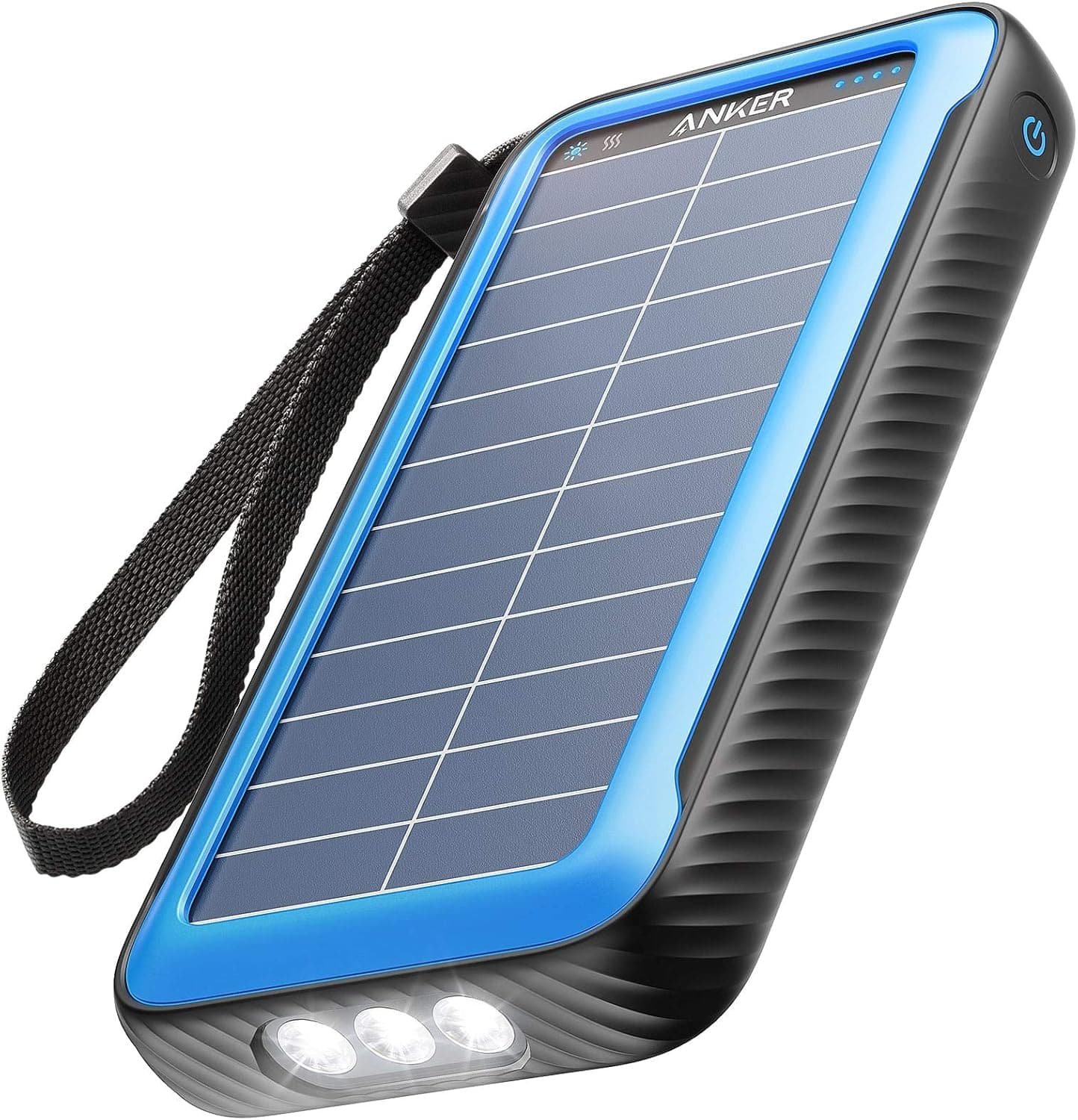
A portable power bank in the glovebox means nobody has to choose between navigation and listening to something on a long stretch. The same battery that tops off a phone on the drive can keep a speaker or headphones going once you are parked and want to keep listening at camp.
Build a queue that works for the whole car
A single long audiobook is great for a solo drive, but with a full car it helps to mix things up. Shorter podcast episodes give natural stopping points for rest stops or conversation, while a longer audiobook works well for the final uninterrupted stretch when everyone has settled in.
If kids are riding along, it is worth queuing up something aimed at them for part of the drive rather than assuming they will sit through whatever the adults picked. Trading off who chooses the next episode keeps the drive from feeling like it is only catering to one person's taste.
Bring the setup from the car to the campsite
The listening does not have to stop once the engine turns off. A small Bluetooth speaker paired the same way as in the car lets you keep a podcast going while you set up camp, cook, or relax in a chair once the tent is pitched.
A hammock strung between two trees or a comfortable camp chair by the fire are both natural spots to keep listening once the day's driving is done, especially during the slow hour after dinner when there is not much else to do.
Switch to headphones for shared or quiet sites
Not every campsite is private enough for a speaker, and not every hour is the right one for playing audio out loud. A pair of headphones, wired or wireless, lets you keep listening without carrying the sound across a shared campground or into a neighboring site.
Headphones are also the better choice once you are lying in the tent for the night. A calm audiobook or a familiar podcast can help you settle in and drift off, without the light of a phone screen keeping you awake the way scrolling does.
Plan listening around the whole trip, not just one drive
On a multi-day route with several legs of driving, it helps to think about your audio queue the same way you think about your route: plan roughly how many hours you will spend behind the wheel each day and download enough content to cover it, with some extra in case a detour runs long.
Spreading a longer audiobook across several driving days, rather than trying to finish it in one sitting, also gives you something to look forward to picking back up each time you get back in the car.
Products from this article
The highest-scoring picks from the buying guides mentioned above. Scores are our editorial assessment, not customer ratings.
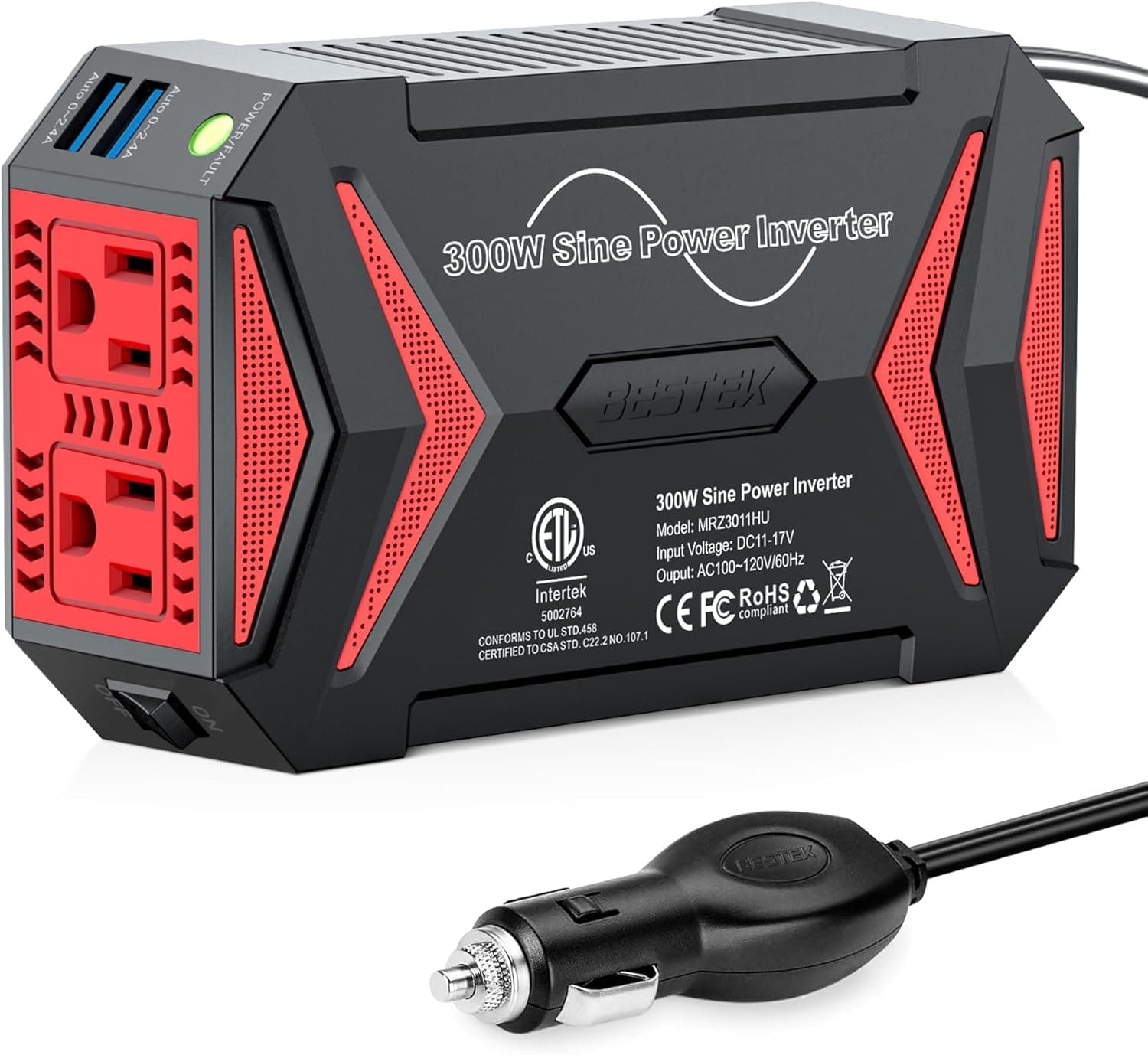
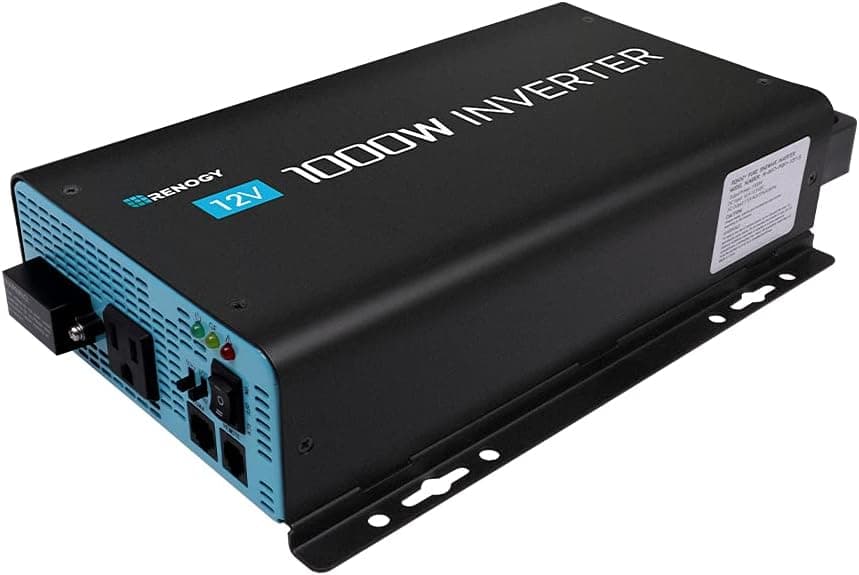
+ Pure sine wave output is safe for sensitive electronics and chargers
From our guide: Best Portable Power Banks for Camping
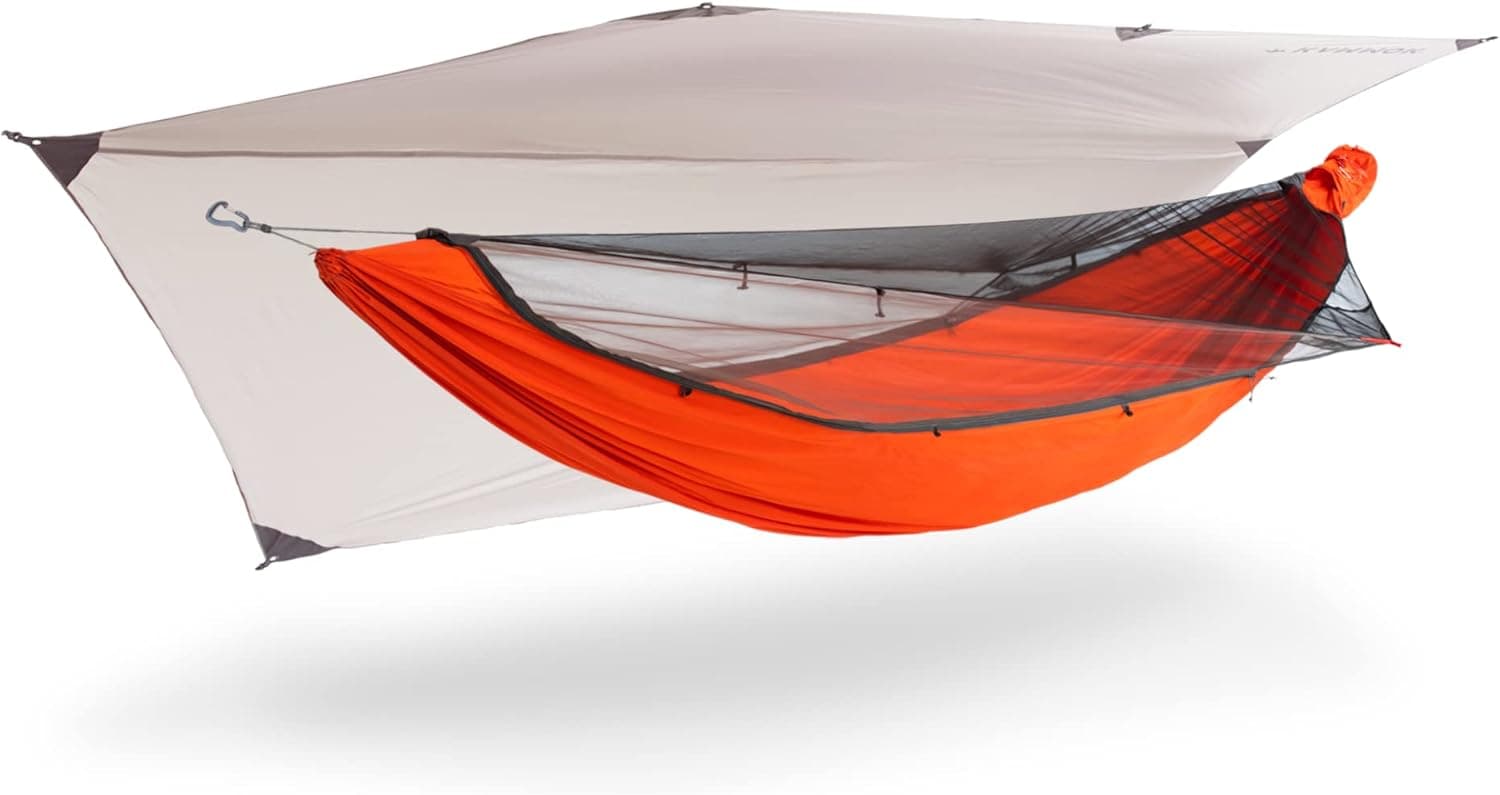
+ All-in-One setup includes rainfly, bug net and straps
From our guide: Best Camping Hammocks
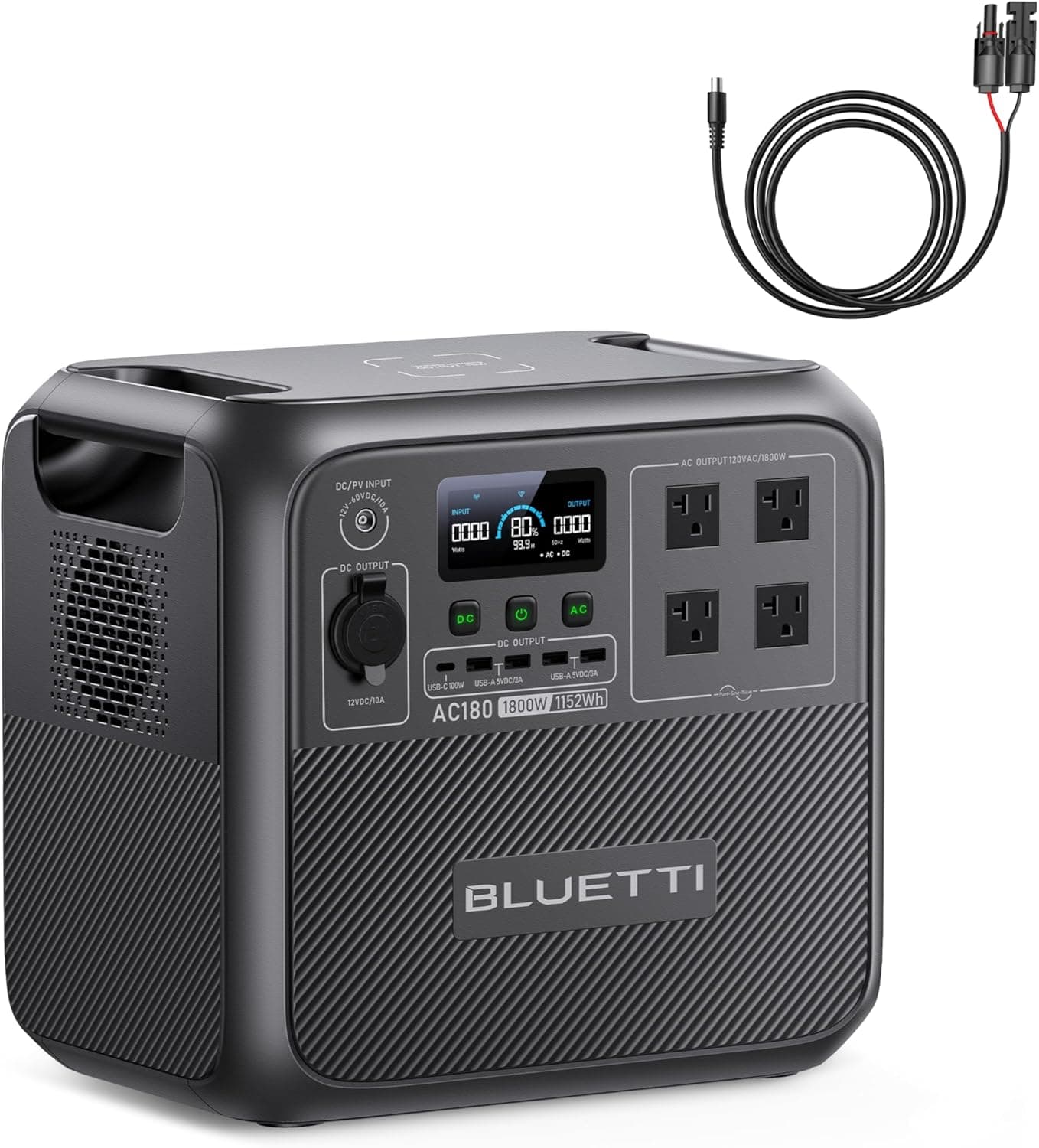
+ 1800W output handles coffee makers, kettles and hair dryers
From our guide: Best Portable Power Stations for Car Camping
+ 20000 capacity covers multiple phone charges for a couple or group
From our guide: Best Portable Power Banks for Camping
Popular right now
- Keeping Cool When Camping in Hot WeatherArticle
- Window Covers for Privacy and WarmthArticle
- Safety Tips for Sleeping in Your CarArticle
- Best Car Window Covers for Camping PrivacyBuying guide
- Keeping Food Cold Without a FridgeArticle
- Best 12V Electric Blankets for Car Camping (2026)Buying guide
Based on the last 28 days of search and visitor data.