Sleeping Pad R-Value Chart: What R-Value You Need by Temperature
Published How we research
For car camping, a sleeping pad with an R-value of 2 to 3 covers warm summer nights, 4 to 5 suits cool shoulder-season nights near freezing, and 5 to 7 or more is what you want for hard-freeze winter trips. The chart below matches R-value to the overnight low, then explains the adjustments that matter inside a vehicle, where cold comes up through the floor and a pad that is a little warm enough is better than one that is a little too thin.
Products from this article
The highest-scoring picks from the buying guides this article links to. Scores are our editorial assessment, not customer ratings.
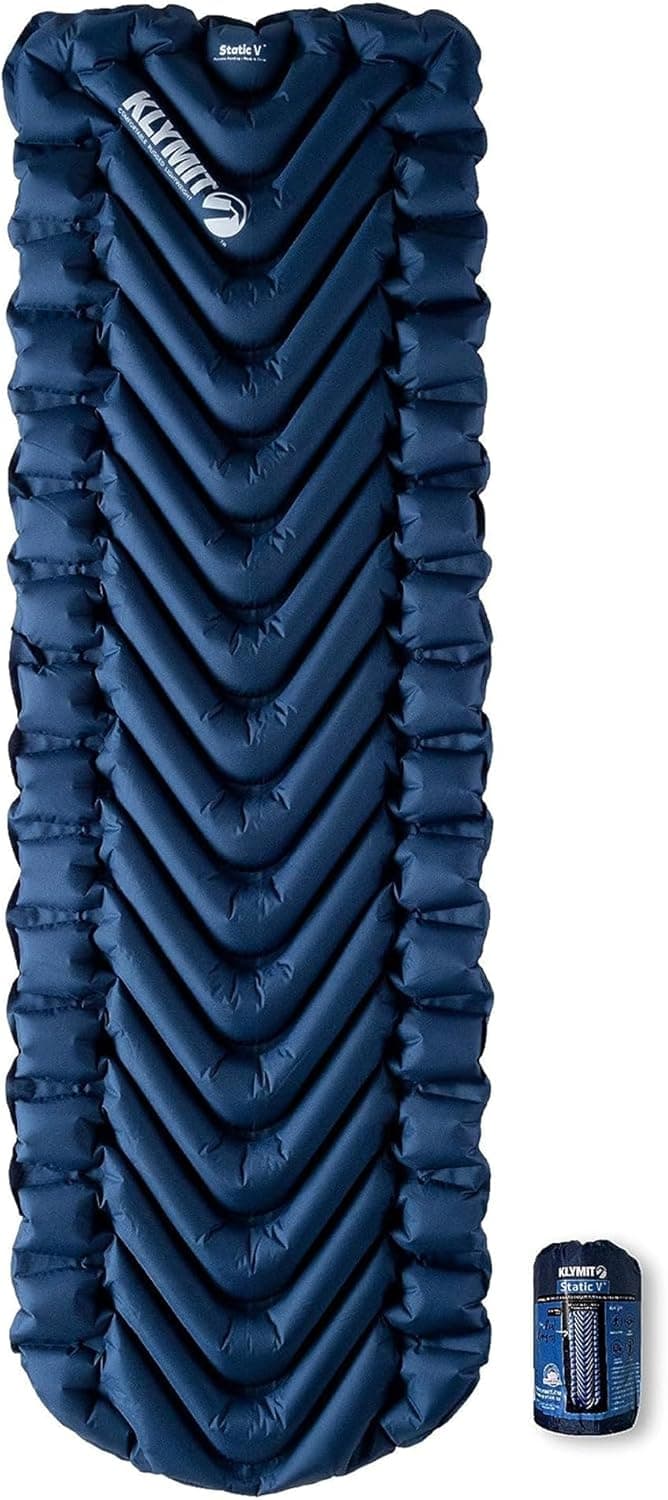
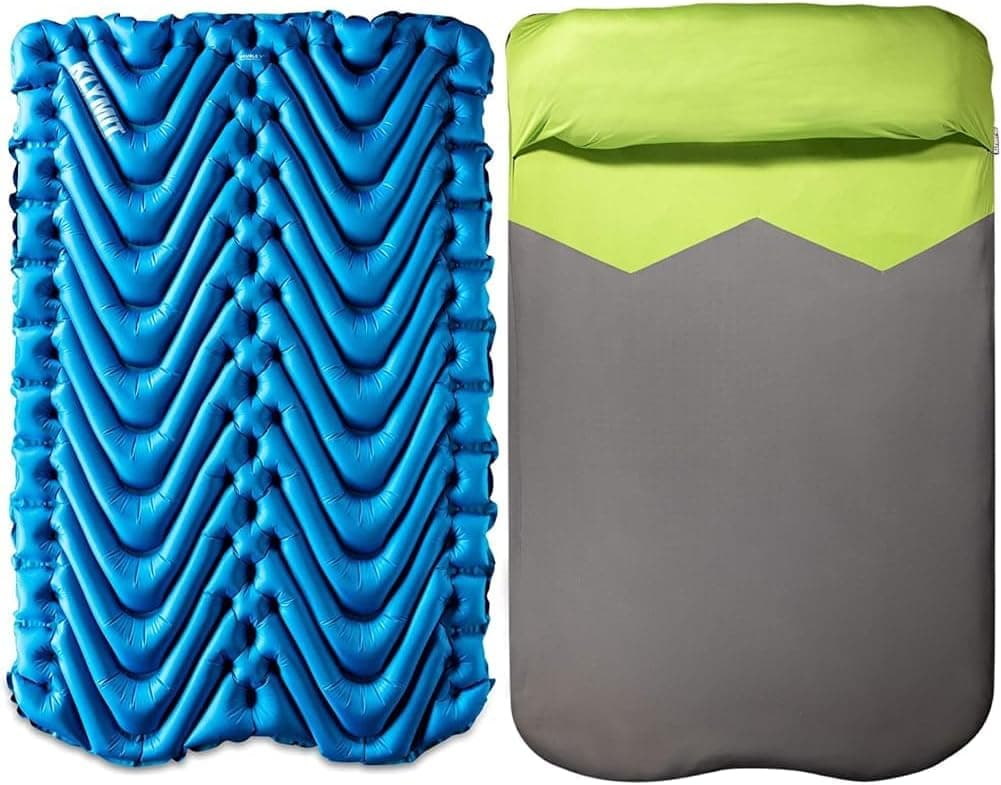
+ Two-person width lets couples share one pad without a gap in the middle
From our guide: Best Sleeping Pads for Car Camping
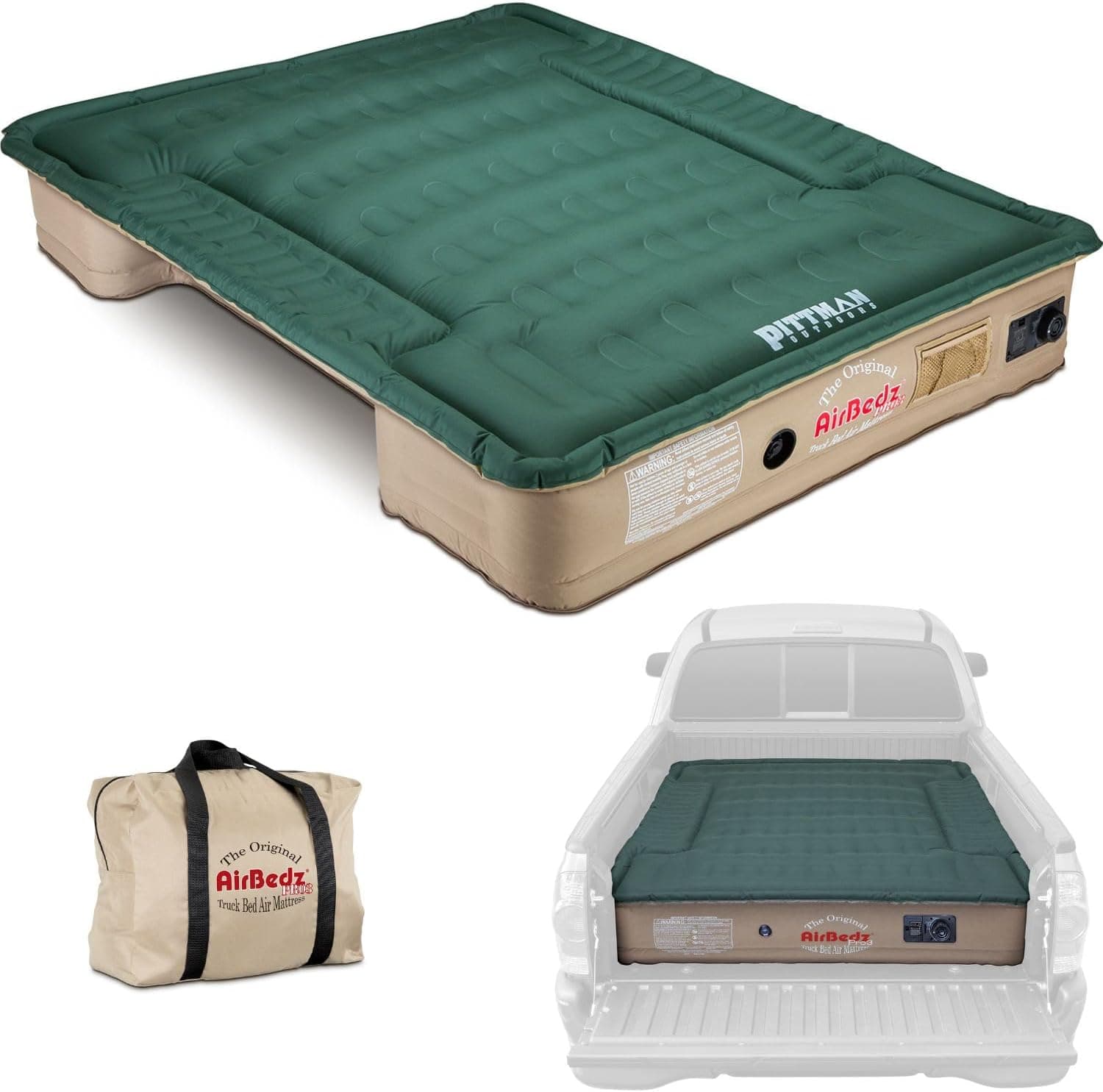
+ Long-bed sizing uses the full length of a full-size pickup for taller sleepers
From our guide: Best Car Camping Mattresses
+ 3-in-1 design works as two separate bags or one warm combo
From our guide: Best Camping Sleeping Bags
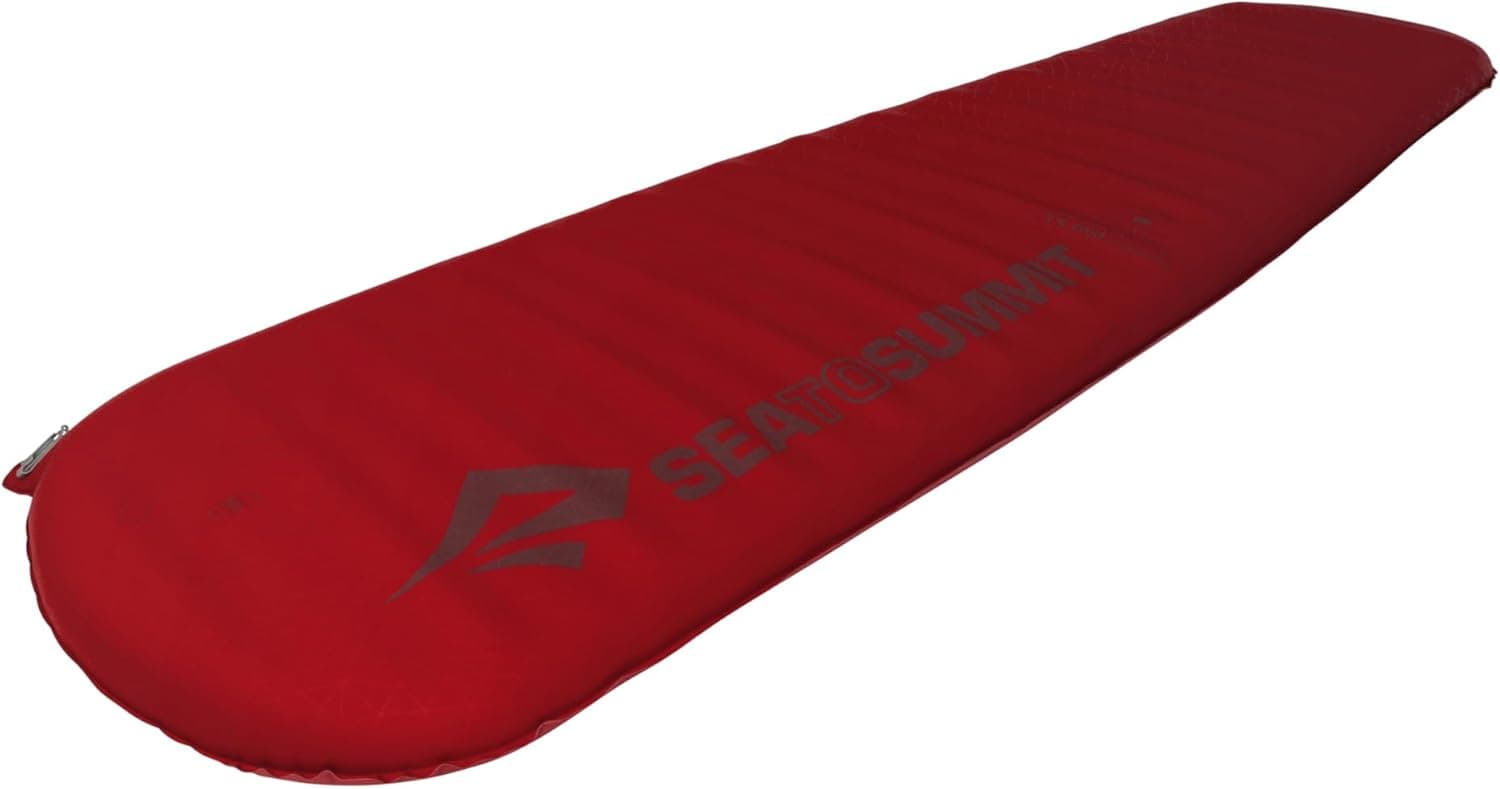
+ Comfort Plus adds more cushioning than the Camp and Camp Plus mats
From our guide: Best Sleeping Pads for Car Camping

The R-value chart by overnight low
R-value measures how well a pad resists heat flowing from your body into the ground. A higher number means more insulation. Use these as working ranges, since sleeping bag, clothing and how warm you sleep all shift the answer by a few degrees.
Overnight low above 60 F: R-value 1 to 2. Thin foam or a basic air pad is enough, and comfort matters more than warmth. Lows from 40 to 60 F: R-value 2 to 3. This is the typical three-season range for a standard car camping pad. Lows from 25 to 40 F: R-value 4 to 5. Choose this for fall and spring trips where frost is possible. Lows from 10 to 25 F: R-value 5 to 6. Lows below 10 F: R-value 6 to 7 or more, usually by combining two pads.
The numbers are a guide, not a promise. A cold sleeper in a thin bag will want to move up one row, and a warm sleeper in a winter bag can move down one.
Why a car or SUV floor needs a bit more R-value
A vehicle cargo area is metal and glass wrapped around a small volume of air. On a clear night the floor and panels drop to the outside temperature and keep pulling heat from anything touching them. That is why car campers often choose a pad one step warmer than a tent camper would at the same forecast low.
Air is the other factor. A cold cabin chills a pad from below and above, and air mattresses with big open chambers can lose warmth faster than a pad with internal insulation. If your setup is a thick air mattress, check the listing for an insulation rating before assuming it is warm. Many are sold on comfort and size and give no R-value at all.
Side panels matter too. If your shoulder or hip touches the door or wheel well, a thin spot there will feel colder than the pad rating suggests, so a narrow gap filled with a blanket or a folded jacket helps.
R-value by pad type
Closed-cell foam pads are light and cannot puncture, but they are thin and usually land in the low range, roughly R 1 to 3 depending on thickness. Self-inflating pads combine foam and air and commonly sit around R 3 to 6, with thicker models at the high end. Insulated air pads use internal baffles or reflective layers and run from about R 3 up to 7 or more in winter models. Plain air mattresses with no insulation can be very low, often under R 2.
Thickness alone does not tell you the R-value. A 4 inch pad with an empty air chamber can be colder than a 2 inch pad with insulation inside. Read the listed R-value, and if a listing does not state one, treat the pad as a summer option.
Weight and pack size rarely matter for car camping, so the practical trade-off is comfort and bulk against warmth. A thick self-inflating pad or a foam-filled mat gives both in a package that fits easily in a cargo area.
How to stack pads for winter
R-values add when you layer pads. A closed-cell foam pad rated around R 2 under an air pad rated R 4 gives roughly R 6 in total. This is the cheapest way to reach winter numbers, and the foam layer protects against a leak or a cold floor.
Put the foam pad on the bottom and the air or self-inflating pad on top, so the softer pad is closest to you and the foam sits against the cold surface. Keep the stack from sliding by using a fitted sheet, or a non-slip shelf liner between the layers.
Do not stack two inflated air pads and expect a stable bed. They slide and wobble. If you need more comfort, a foam layer under one thick pad works better than two air layers.
Matching the pad to your sleeping bag
Pad and bag work as one system. Compressed insulation under your body does almost nothing, so the pad supplies the warmth underneath, while the bag supplies it on top and sides. A bag rated for 20 F on a pad rated R 1 will feel like a much colder night.
Check the bag side with the temperature rating chart, then pick a pad from the table above for the same low. If either one is a step short, fix it with the cheaper change: a foam layer for the pad, or a liner or blanket for the bag.
Warm sleepers can read bag ratings at face value. Cold sleepers should treat the lower limit as a limit figure and plan around the comfort figure instead.
Frequently asked questions
What R-value do I need for car camping? For most three-season trips with lows from 40 to 60 F, R 2 to 3 works. If lows go near freezing, move up to R 4 to 5, and plan on R 5 or higher for winter.
Is a higher R-value always better? Higher is warmer, but it also usually means a thicker or heavier pad and a higher price. In summer a very high R-value can feel warm to sleep on, so match it to the forecast.
Can I add R-values together? Yes. Stacking pads adds their R-values, so a R 2 foam pad on top of a R 3 pad gives about R 5. The result is approximate, and gaps or compressed layers can reduce it a little.
Do all brands use the same R-value test? Newer ratings follow a common standard, but older or unlabeled pads may not, so compare a number from a no-name brand to a major brand with some caution.
Popular right now
- Fall Car Camping: How to Plan and What to PackArticle
- Keeping Cool When Camping in Hot WeatherArticle
- Best Portable Camping Sinks for Car CampingBuying guide
- Tailgate tent explainedGlossary
- Safety Tips for Sleeping in Your CarArticle
- Best Camping Cookware SetsBuying guide
Based on the last 28 days of search and visitor data.